Private gym Singapore: 3 Best private gyms in 2026
Looking for a private gym in Singapore? Compare 3 private gyms, gym pods and personal training studios by pricing, privacy, equipment, location and access.
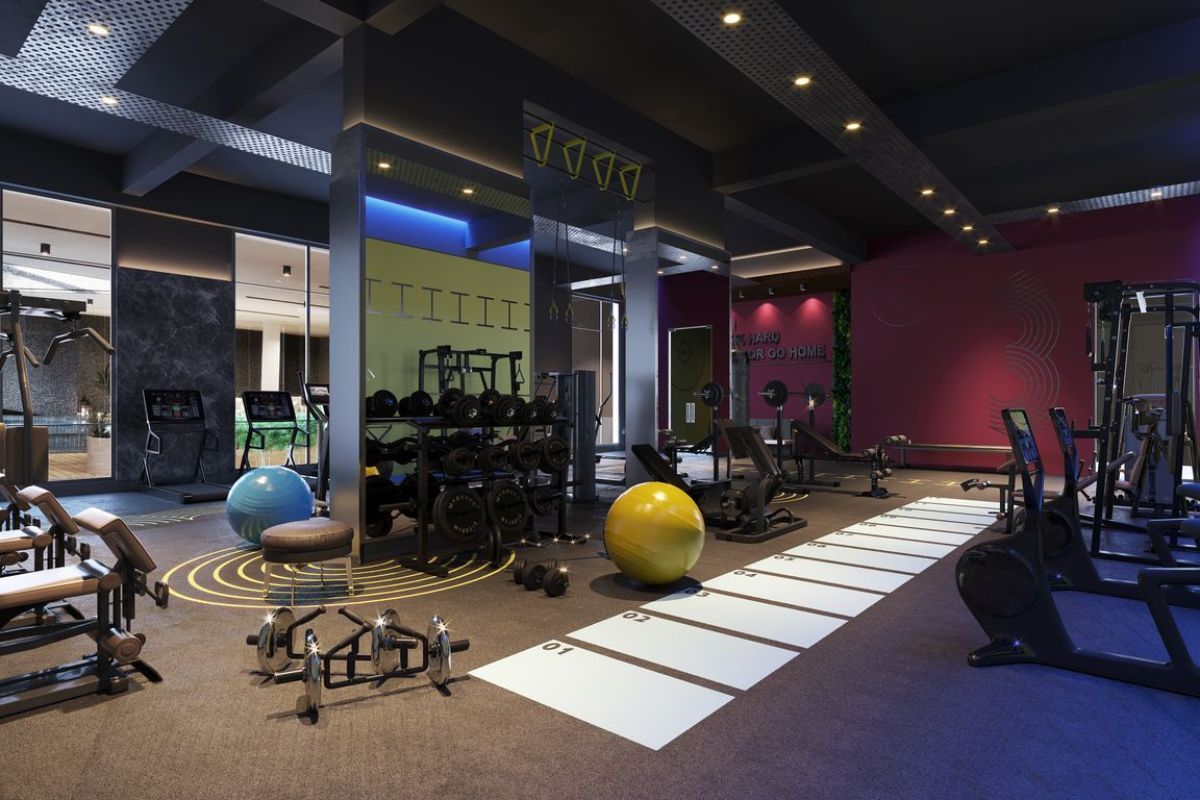
Source: Eyecon Design on Pexels
Working out at a busy commercial gym can get frustrating pretty quickly. You arrive ready to train, only to find the squat rack occupied, the dumbbells you need missing, and several people waiting for the same machine. And if you’re someone who prefers exercising without a room full of strangers around, the usual gym experience might not feel that comfortable in the first place.
That’s where a private gym in Singapore can make a big difference. Instead of sharing a large gym floor with dozens of people, private gyms give you much more control over your workout space. Depending on the gym, you might get an entire training space to yourself, book a private gym pod for a specific time slot, train only with your personal trainer, or share the space with a small group of friends.
And private doesn’t automatically mean luxury or an expensive monthly membership. Singapore now has different private gym models, including pay-per-session spaces, app-bookable gym pods, personal training studios, and appointment-only gyms. Some are even available around the clock, which makes them useful if your work schedule doesn’t fit the usual peak-hour gym routine.
But with so many different types of “private” gyms, choosing one isn’t always straightforward. How private is it really? Do you get the whole gym to yourself? Can you bring a friend? Is personal training included? And, most importantly, is the extra privacy actually worth what you’re paying?
In this article, we’ll break down how private gyms in Singapore work, what they cost, how they compare with regular gyms and personal training studios, and what to look for before booking one. We’ll also compare 3 of the best private gyms in Singapore in 2026 so you can find an option that fits the way you actually like to train.
What is a private gym in Singapore?
A private gym in Singapore is a fitness space designed to give you more control over who you train around, when you train, and how much of the facility you share with other people.
But “private gym” doesn’t always mean you’ll be completely alone. Some gyms let you book the entire space for a fixed time. Others operate as compact gym pods that you unlock with an app. You’ll also find private personal training studios that only allow clients in during booked sessions, as well as smaller gyms that deliberately limit the number of people training at once.
For example, Body Society allows private bookings of its gym space and lets customers bring friends or a personal trainer. The Gym Pod, meanwhile, offers bookable private gym spaces that you can reserve and unlock through its app.
So, when you see the word “private,” don’t assume every gym offers the same experience. The access model matters just as much as the equipment or location.
Private gym vs regular commercial gym
The biggest difference is how many people have access to the gym at the same time.
A regular commercial gym sells access to a much larger membership base. You normally walk in whenever your membership allows, find the equipment you need, and train alongside whoever happens to be there.
That model works well if you enjoy having lots of equipment, longer opening hours, and the energy of a busy gym. The downside usually appears during peak periods. Your preferred rack, bench, or cable machine might already be occupied, and you have little control over how crowded the gym feels.
A private gym takes a different approach.
Instead of maximising the number of members who can use the facility, it usually controls access through bookings, smaller capacity limits, or appointment-only sessions. In some cases, your booking gives you exclusive access to the entire space.
That makes private gyms particularly attractive to people who value uninterrupted training. You know when you’re coming in, you know how long you have, and in a fully private facility, you already know the equipment won’t be occupied by another member.
There is a trade-off, though.
Commercial gyms may offer a wider range of machines and amenities simply because they are much larger. A private gym may have fewer pieces of equipment, but you get much more reliable access to them.
Private gym vs personal training studio
These two are easy to confuse because there is plenty of overlap.
A private gym mainly describes the training environment and access model. You may be able to rent the space and train completely on your own without hiring a trainer.
A personal training studio is built primarily around coaching. Access to the gym often comes as part of your personal training session rather than through a normal gym membership.
Take Catalyst Performance in Singapore's CBD as an example. It operates by appointment, has no public open-gym access, and only allows clients onto the training floor for booked one-to-one coaching sessions. You cannot simply buy a gym membership and walk in to train alone.
Private gym vs gym pod
A gym pod is a type of private gym, but with a more compact, technology-driven setup.
Instead of entering a conventional gym with a reception desk and large training floor, you book a self-contained workout space for a specific period. Access is usually handled digitally.
The Gym Pod is probably the clearest example in Singapore. You choose a location and time through its app, make a booking, then use the app to unlock the pod when your session begins. Depending on the pod, you’ll find equipment for strength training, cardio, and general workouts inside.
This setup is especially useful if you already know how you want to train. There’s no need to pay for a full-service gym membership just to use a rack, weights, cables, and cardio equipment a few times a month.
There are limitations to consider. A pod has less floor space than a full gym, and equipment varies between locations. You also need to manage your workout around a reserved time slot rather than staying indefinitely.
Still, the format solves one of the biggest frustrations of conventional gyms: uncertainty. If you’ve reserved the space, you know it will be available when you arrive.
That same shift toward appointment-based fitness is changing how gyms manage access behind the scenes too. Booking platforms such as Rezerv allow fitness businesses to manage private appointments, facility rentals, memberships, payments, and online bookings from one system.
What does “private” actually mean?
This is the part you should check carefully before booking.
“Private” is not a standardised category. Two businesses can both call themselves private gyms while offering very different experiences.
At one end of the spectrum, fully private means the entire gym is reserved for you during your session. Body Society, for example, describes its private option as giving customers the whole gym while allowing them to bring guests or a personal trainer.
Then there are private pods, where you reserve a smaller self-contained training space. The Gym Pod follows this model, with private pods bookable by session and accessible through a smartphone.
You’ll also find appointment-only private studios. These may have several clients inside at the same time, but access is restricted to people attending booked sessions. Catalyst Performance, for example, does not offer walk-ins or open-floor memberships.
Finally, some facilities use limited-capacity or semi-private training. You might share the space with a few other clients, but the environment is still much quieter than a large commercial gym.
So before you book, find out exactly what privacy means at that particular gym. Ask how many other people can be inside during your session, if the space is exclusively yours, if guests are allowed, and if you need a personal trainer to access the facility.
That small check can save you from booking a “private gym” and discovering that your idea of private is very different from theirs.
Why are people choosing private gyms in Singapore?
For many people, choosing a private gym isn’t about wanting a more luxurious place to exercise. It’s about removing the little frustrations that make workouts harder than they need to be.
You book your time, arrive, train, and leave. There’s less uncertainty around crowds, equipment availability, and who you’ll be sharing the space with. For people trying to fit exercise around work, family, or an unpredictable schedule, that level of control can be surprisingly valuable.
Here are some of the biggest reasons private gyms are becoming an attractive alternative to traditional gyms in Singapore.
No crowded gym floors
Peak-hour gym crowds can change an entire workout. Visit a popular commercial gym after work and you may find yourself navigating a packed free-weight area, busy changing rooms, and people waiting around popular machines. If you prefer having some personal space while exercising, that can quickly become distracting.
Private gyms reduce that problem by controlling how many people can enter at once. In a fully private facility, your booking may give you exclusive use of the training space. Other studios keep capacity deliberately small instead.
This makes the environment feel calmer, particularly if you normally train during the morning or evening rush.
No waiting for equipment
Waiting five or ten minutes for a squat rack might not sound like much. Do it several times during one workout and suddenly a 45-minute session takes much longer.
Private facilities make equipment availability much more predictable.
If you’ve booked an entire gym or pod, there isn’t another member jumping onto the bench you planned to use next. You can move through supersets, circuits, and timed workouts without constantly changing your programme because something is occupied.
That can be particularly useful for strength training, where your workout may depend on using the same rack, bench, barbell, or cable station across several sets.
More privacy while training
Not everyone enjoys exercising in front of a large room full of people.
You might be learning a new movement, recording your sets to check your technique, returning to exercise after a long break, or simply prefer working out without strangers nearby.
A private gym gives you more room to focus on yourself. There’s less pressure to rush because someone is waiting for your machine. You can experiment with exercises, take progress videos, or train at your own pace without feeling as self-conscious.
Of course, the actual level of privacy varies between gyms. A private pod may give you the entire space, while a private training studio could still have several clients exercising with their trainers at the same time.
More flexible training times
Singapore’s working hours don’t always fit neatly around the traditional gym routine.
You may want to train before an early shift, squeeze in a workout between appointments, or exercise late at night when most places are quieter.
Some private gym models work particularly well for this because access is organised around scheduled bookings rather than a staffed reception desk. Certain facilities and gym pods also offer extended or 24-hour access.
Digital booking makes this model possible. Instead of calling a gym to arrange a session, customers can choose an available slot and book online.
Fitness businesses can use platforms such asRezerv to manage bookings, memberships, payments, and customer schedules digitally, making appointment-based access much easier to run.
For you as the customer, that usually means less back-and-forth and more control over when you train.
Better environment for focused workouts
A busy gym comes with plenty of distractions. People are talking. Someone is filming beside you. Equipment gets moved around. Your next machine is occupied, so you change exercises, then change again five minutes later.
Private gyms remove many of those interruptions. You can walk in with a programme and work through it in the order you planned. That makes private spaces particularly useful for structured strength sessions, circuits, rehabilitation exercises, or workouts where rest periods matter.
It can also make shorter sessions more productive. If you only have 45 minutes before your next meeting, spending ten of them waiting for equipment isn’t ideal.
More comfortable for beginners
Walking into a gym for the first time can feel intimidating. Even simple questions start running through your head. Am I using this machine correctly? Is someone waiting for it? Where do I put the weights? Am I taking too long?
A quieter environment can make those first few workouts much easier. Beginners have time to learn how equipment works without feeling rushed. And if you choose a private personal training gym, you’ll also have a trainer guiding your technique, choosing appropriate exercises, and helping you understand what to do next.
That said, complete privacy isn’t automatically the best option for every beginner. If you’ve never trained before, having a qualified trainer for your first few sessions can be more useful than simply renting an empty gym.
Train alone or with friends
Private doesn’t necessarily mean solo. Some private gyms allow you to bring your partner, friends, or even your own personal trainer into the space. Instead of exercising alongside dozens of strangers, you decide who you want to train with.
That opens up several possibilities. You could split a session with a friend, train with your partner, organise a small group workout, or hire a personal trainer and use the private facility together.
Just check the gym’s guest policy first. Some bookings cover one person, while others allow several guests or charge extra depending on group size. For people who enjoy the social side of exercise but dislike crowded gyms, this can offer a useful middle ground. You still get company, just without the entire gym joining you.
How much does a private gym cost in Singapore?
The cost of a private gym in Singapore can range from less than S$10 for a short gym-pod session to well over S$150 for an hour of one-to-one personal training.
That’s a huge difference, but it makes sense once you look at what you’re actually paying for.
A self-service pod mainly charges you for access to the space and equipment. A premium private training studio includes a coach, programming, assessments, and ongoing support. Whole-gym rentals sit somewhere in between.
So rather than asking, “How much does a private gym cost?” it’s more useful to ask, “What kind of private gym experience do I want?”
Pay-per-session private gyms
Pay-per-session gyms are ideal if you don’t train frequently enough to justify another monthly membership. You simply reserve a time slot and pay for that visit. At Body Society, for example, its Personal option is currently listed at S$49 for a one-hour off-peak session, although this particular option may be shared with up to four other users rather than giving you exclusive use of the gym.
Whole-gym private bookings can cost more because you’re effectively reserving the facility instead of one spot on the gym floor. This model can make sense if you only want a private space occasionally, perhaps for a heavy lifting session, workout with friends, or a day when you know your regular gym will be packed.
Private gym memberships
Some private gyms also offer subscriptions for regular users. Instead of paying the full rate every visit, you pay a recurring fee in exchange for included sessions, cheaper bookings, priority reservations, or more flexible rescheduling.
The Gym Pod, for example, currently offers several subscription options. Its Starter Pack costs S$69 per month for 10 sessions, while its Power Pack costs S$179 per month for 30 sessions. It also offers a Premium subscription that provides discounted bookings and priority access.
Memberships tend to make more sense once you train consistently. If you only visit a few times each month, paying per session may still be cheaper. Always calculate the effective cost per workout, rather than looking only at the monthly fee.
Personal training packages
Private personal training is where prices start climbing because you’re no longer paying only for gym access. You’re paying for a trainer’s time, programme design, exercise coaching, progress tracking, and often access to a more controlled training environment.
In Singapore, personal training prices vary widely. Usually the range roughly S$30 to S$350 per session, while experienced trainers commonly fall around S$90 to S$200.
The Gym Pod offers another price point. Its current one-to-one PT packages are listed at around S$95 to S$120 per session before subscriber discounts, depending on how many sessions you purchase.
Buying a larger package usually lowers the price per session, but don’t commit purely because the per-session rate looks cheaper. Make sure you can realistically use the sessions before they expire.
Private gym pods
Gym pods are usually one of the cheapest ways to get a genuinely private workout space.
The Gym Pod currently lists standard pay-per-use prices of:
· S$6 per 30-minute session during off-peak hours
· S$9 per session during standard hours
· S$12 per session during premium hours
Guests can currently be added for S$1.50 per person per session, although rates may vary between pod locations. If you want a full hour, you’ll normally need to reserve consecutive ssions, so factor that into your comparison.
Gym pods can offer excellent value for experienced gym-goers because there’s no trainer or large staffed facility built into the price. You’re mainly paying for your reserved training space.
Small-group training
Want coaching without paying full one-to-one PT rates? Small-group or semi-private training is worth looking at. The trainer works with several people at once, which spreads the coaching cost across the group.
The Gym Pod currently advertises semi-private training for groups of up to four people from S$54 per person per session for subscribers, with its standard four-session option listed at S$60 per session.
You won’t receive the trainer’s undivided attention for the entire session, but good semi-private coaching should still give you an individual programme and regular technique feedback.
For many people, this offers one of the better compromises between cost and personalised support.
What affects the price?
Two private gyms can look similar online and charge completely different rates.
There are several reasons for that. Privacy level is an obvious one. Reserving an entire facility generally costs more than sharing a small training studio with a few clients.
Location matters too. Studios in the CBD, Orchard, and other high-rent areas often charge more than facilities farther from central Singapore. Catalyst's 2026 market analysis, for example, places personal training in prime districts commonly around S$120 to S$200 per session.
Then there’s equipment. A small pod with basic free weights can operate very differently from a premium studio filled with specialist strength and conditioning machines.
Other factors include:
· Peak vs off-peak timing
· Session length
· Number of guests
· Trainer experience
· One-to-one vs small-group coaching
· Shower and changing facilities
· 24-hour access
· Package size
· Location
· Membership commitment
· Assessments and programme design
The booking model can affect pricing too. Self-service gyms can reduce staffing requirements by letting customers book, pay, and manage sessions digitally. Platforms such as Rezerv help gyms manage appointments, memberships, payments, facility bookings, and customer access from one system.
That is particularly useful for private studios where every training slot has a limited capacity.
Private gym vs regular gym: which is better?
There isn’t one clear winner between a private gym and a regular commercial gym. The better choice depends on how you train, how often you exercise, and what tends to frustrate you at the gym.
A private gym gives you more control over your space and workout. A commercial gym usually gives you more equipment, facilities, locations, and freedom to stay as long as you want. Here’s how they compare in the areas that matter most.
Privacy
This is where private gyms have the clearest advantage.
At a fully private facility or gym pod, you may have the entire training area to yourself. That means no strangers exercising beside you, no crowded free-weight area, and fewer distractions.
Regular gyms are shared spaces. Even if you visit during a quiet period, you can’t guarantee how many other members will arrive.
For someone who feels uncomfortable exercising in front of others, records workouts for technique checks, or simply enjoys training alone, paying for privacy can make the experience much more enjoyable.
If privacy isn’t important to you, though, a regular gym may offer everything you need without the added cost.
Equipment availability
Private gyms usually have fewer machines overall, but you have much better access to the equipment they do provide. Imagine a private gym with one squat rack. If you have exclusive use of the space, that one rack is effectively yours for the entire session.
A commercial gym might have five racks, but that doesn’t help much if all five are occupied at 7 PM.
On the other hand, larger gyms generally win on equipment variety. Commercial facilities can offer multiple cardio machines, resistance machines, free-weight areas, functional training zones, and specialist equipment.
Anytime Fitness, for example, lists equipment such as squat racks, barbells, dumbbells, plate-loaded machines, cable equipment, treadmills, rowing machines, bikes, and functional training equipment across its clubs, although facilities vary by location.
So think about your actual programme. If you mainly use a barbell, rack, bench, dumbbells, and cables, a compact private gym may be enough. If you regularly rotate through many specialist machines, a larger commercial gym could be more practical.
Cost
Regular gyms usually make more financial sense for people who train frequently.
You pay a monthly membership fee and can generally visit as often as your membership allows. If you train four or five times a week, your effective cost per workout can become quite low.
Private gyms often charge by session, so frequent visits can become expensive.
But the calculation changes if you only train occasionally. Someone exercising four times a month may spend less using a pay-per-session private gym or pod than paying for a full commercial membership every month.
Training flexibility
Both gym types can be flexible, but in different ways. A commercial gym gives you flexibility around duration. You can usually arrive, train, and leave without worrying about your session ending after 30 or 60 minutes.
Many chains also provide very long opening hours. Anytime Fitness Singapore, for example, provides 24/7 member access at its clubs. Private gyms give you flexibility around planning. You reserve a specific period and know the space or equipment will be available when you arrive.
That can make a one-hour workout easier to structure. The downside is that you need to finish within your booked period, and popular slots may need to be reserved ahead of time.
Modern gym booking software also makes this model much easier to run. Rezerv’s fitness management platform allows businesses to manage appointments, memberships, payments, equipment bookings, space rentals, and even automated smart-lock access for unmanned gyms.
For customers, that can mean checking availability and securing a workout slot before leaving home rather than turning up and hoping the gym isn’t crowded.
Personal training
Both private and commercial gyms can offer personal training, but the experience may feel quite different. In a commercial gym, your trainer works with you while other members continue using the facility around you.
A private PT studio usually creates a more controlled environment. There may only be a few clients inside, or your coach may have a dedicated space for the session.
That can make communication easier and reduce time spent waiting for equipment during your appointment.
Still, the trainer matters more than the building. A knowledgeable coach in a busy commercial gym can be far more valuable than an inexperienced trainer in a beautiful private studio. Look at qualifications, coaching style, programming approach, and experience with your goals before focusing on how exclusive the facility feels.
Social environment
Some people love the buzz of a busy gym. Seeing other people train can be motivating. You may recognise regular members, chat between sets, join classes, or simply enjoy feeling part of a fitness community.
Commercial gyms naturally provide more of that environment. Private gyms can feel much quieter. For some people, that is exactly the point. For others, training alone every week can start to feel isolating.
There is also a middle ground. Semi-private studios and small-group private gyms let you train around a handful of people without dealing with a packed gym floor. Think about what actually motivates you. If other people give you energy, complete privacy might not improve your workouts as much as you expect.
Convenience
Private gyms can be extremely convenient if everything lines up correctly. You reserve your slot, walk in, complete your planned exercises, and leave. There’s less time wasted deciding what to do because your next machine is occupied.
But location can change the equation completely. A private gym that requires a 25-minute detour may be less convenient than a commercial gym five minutes from your office.
Commercial chains can also have an advantage here because memberships may provide access to multiple locations. Anytime Fitness Singapore, for instance, promotes 24-hour access and access across its wider club network.
So don’t judge convenience only by what happens inside the gym. Include travel time, booking requirements, session duration, shower facilities, and how easily training fits into your normal day.
Who should choose a private gym?
A private gym is worth considering if you place a high value on privacy and predictable workouts.
It can be particularly useful if you:
· Dislike crowded gyms
· Regularly train during peak hours
· Want guaranteed access to equipment
· Prefer exercising without strangers nearby
· Train with your partner or a small group of friends
· Need a quiet environment to stay focused
· Only need gym access occasionally
· Want to record your technique or workouts privately
· Prefer appointment-based personal training
· Are comfortable planning sessions in advance
It can also work well for people with limited training time. If you only have an hour available, knowing that your rack and equipment are ready can be more valuable than having access to a much larger gym.
Who should stick with a regular gym?
A regular gym is probably the more practical option if you train frequently and don’t mind sharing the space.
You may get better value from a commercial gym if you:
· Train several times a week
· Want a large variety of machines
· Enjoy group classes
· Prefer a social gym atmosphere
· Like staying at the gym without a time limit
· Need showers, lockers, and other amenities
· Want access to multiple gym locations
· Don’t want to book every workout in advance
Regular gyms can also suit people whose workout times change at the last minute. Instead of searching for an available booking slot, you can simply visit when you have time.
Ultimately, the choice comes down to what creates the better workout for you.
If crowds regularly interrupt your sessions and privacy helps you focus, the extra cost of a private gym may be easy to justify. If you mainly want plenty of equipment, unlimited visits, and convenient access, a traditional gym can still offer much better value.
The best gym isn’t necessarily the most private or the biggest. It’s the one you can realistically keep showing up to.
3 best private gyms in Singapore in 2026
There are plenty of boutique gyms and personal training studios in Singapore, but not all of them are truly private.
For this list, we focused on facilities that give you meaningfully more privacy than a standard commercial gym. That could mean reserving an entire gym, booking your own self-contained pod, or training in an appointment-only studio with no public gym access.
1. Body Society
.jpg)
Source: https://bodysociety.sg/
Best for: Solo workouts, couples, friends, and people bringing their own personal trainer
Location: 380 Jalan Besar, #10-01 ARC 380, Singapore 209000
Type: Whole-gym rental and limited-capacity gym
Privacy level: Fully private with the Private package
Equipment: Strength, cardio, and functional training equipment
Personal training: Available, or bring your own trainer with a Private booking
Booking/access: App booking and automated door access
Opening hours: 24 hours
Pricing: Personal off-peak sessions currently S$49 for one hour; check the app for current Private package rates
Key advantages: Entire gym available privately, 24-hour access, showers, guest-friendly bookings
Things to consider: Only one location, and the publicly listed S$49 Personal option is shared rather than completely private
If your definition of a private gym is “I want the whole place to myself,” Body Society comes closest to that traditional idea.
That makes it especially appealing for couples or small groups. Instead of paying for several separate gym entries, you can train together in one controlled space without strangers moving between your equipment.
The equipment selection covers the basics for a well-rounded workout. Body Society lists a Legend squat rack and adjustable bench, Intenza cardio equipment, free weights, spin equipment, and functional-training tools such as its Reax system. It also provides showers and towels, which makes early-morning or pre-work sessions more practical.
Access is fully automated. You book through the Body Society app, check in when you arrive, and unlock the gym through your phone. The facility is open 24 hours, so you are not restricted to normal staffed-gym schedules.
2. The Gym Pod
.jpg)
Source: https://www.thegympod.com/
Best for: Solo workouts, flexible schedules, occasional gym users, and budget-conscious private training
Location: Multiple locations across Singapore
Type: Self-service private gym pods
Privacy level: Entire pod reserved for your booking
Equipment: Varies by pod, generally including weights, cables, cardio, and strength equipment
Personal training: Available, or bring your own trainer
Booking/access: Book and unlock through The Gym Pod app
Opening hours: Many locations operate 24/7, although hours vary
Pricing: Typically S$6 to S$12 per 30-minute session, depending on time and location
Key advantages: Low entry price, multiple locations, no long-term commitment, strong privacy
Things to consider: Sessions are only 30 minutes by default, and equipment varies between locations
If you want privacy without paying premium private-studio prices, The Gym Pod is one of the most interesting options in Singapore. The concept is simple. You choose a pod, reserve a time through the app, and unlock the door with your phone. During that booking, the pod is yours.
There is no public gym floor and no queue for equipment. Current pay-per-use pricing starts at S$6 per 30-minute off-peak session, rising to S$9 during standard hours and S$12 during premium hours. You can add a guest for S$1.50 per person per session. Rates can vary between locations, so the app remains the best place to confirm the final price.
3. Catalyst Performance
.jpg)
Source: https://catalystperformance.sg
Best for: One-to-one coaching, beginners who want guidance, busy CBD professionals, and structured long-term training
Location: Manulife Tower, 8 Cross Street, #05-03, Singapore 048424
Type: Appointment-only private personal training studio
Privacy level: No public access; floor reserved for booked 1:1 sessions
Equipment: Watson UK strength equipment, Keiser pneumatic equipment, and free weights
Personal training: Core service, always 1:1
Booking/access: Appointment only
Opening hours: Mon-Fri 6 AM-10 PM; Sat-Sun 7:30 AM-5 PM, with some sessions outside those hours by appointment
Pricing: From S$163.50 per 60-minute session
Key advantages: Structured assessment, premium equipment, experienced coaching, directly above Telok Ayer MRT
Things to consider: You cannot rent the gym for independent workouts, and pricing is significantly higher than self-service private gyms
Catalyst Performance is a very different kind of private gym. You cannot buy a day pass, walk in, and train by yourself. There are no public memberships or open-gym hours. Everyone on the floor is there for a booked one-to-one coaching session.
That makes Catalyst better suited to people who want private personal training, not simply private access to equipment. Training starts with its 4-Pillar Healthspan Assessment, covering body composition, cardiorespiratory fitness, stability, and strength. Programmes are then built around those measurements and reassessed every 16 weeks.
The studio also takes its equipment seriously. Its strength setup primarily uses Watson equipment from the UK alongside Keiser pneumatic resistance machines from the US. Free weights extend to 50 kg, and the space has multiple pieces where redundancy matters, such as racks and commonly used dumbbell ranges.
Personal training currently starts from S$163.50 per 60-minute session, GST included. Rather than selling a standard monthly membership, Catalyst builds training packages after a complimentary assessment.
Location is another major selling point for office workers. Catalyst is at Manulife Tower directly above Telok Ayer MRT. Weekday opening hours run from 6 AM to 10 PM, while weekends operate from 7:30 AM to 5 PM. Showers and towels are provided, and the studio also has same-floor parking access.
How to choose the right private gym in Singapore
Choosing a private gym gets much easier once you stop looking for the “best” gym and start looking for the one that fits your routine. Think about how you normally train. Do you want complete solitude? Do you need a coach? Will you train three times a week or three times a month? Do you usually exercise at 6 AM, after work, or whenever you happen to have an hour free?
Those answers matter more than having the fanciest equipment or the most Instagram-friendly interior.
If you want to train completely alone
Look specifically for exclusive-use bookings, not simply a gym that calls itself private.
A facility can describe itself as private because it limits membership or operates by appointment, while still having several clients inside at once.
If you genuinely want the room to yourself, whole-gym rentals and private pods are the safest options. Body Society, for example, offers a Private booking where you reserve the entire gym. Its website states that you can also bring up to four friends, including a personal trainer, at no additional charge.
The Gym Pod takes a slightly different approach. You reserve a compact pod for a specific period rather than renting a conventional gym floor. This can work particularly well if your workouts mainly involve free weights, cables, and basic cardio equipment.
Before booking, check one thing carefully: Does your reservation actually block other customers from entering?
If the answer isn't clearly yes, you may be booking a low-capacity gym rather than a completely private one.
If you want a personal trainer
In this case, focus less on how empty the gym is and more on the quality of the coaching.
Look at the trainer's qualifications, experience, programming approach, and how progress is measured. A good private PT studio should do more than supervise exercises for an hour.
You should ideally know:
· How your starting point is assessed
· How your programme is created
· How often progress is reviewed
· If the same trainer works with you consistently
· What support you receive between sessions
Catalyst Performance, for example, operates as an appointment-only personal training studio rather than an open gym. Clients receive one-to-one coaching, and its current service starts with an assessment before training packages are selected. Personal training currently starts from S$163.50 per session.
That type of setup makes more sense if you want someone managing your training rather than simply giving you access to equipment.
If you want to train with your partner or friends
Check the guest policy before comparing prices. A S$40 booking that covers three people can offer much better value than a S$25 booking that charges another S$15 for every guest.
Also check the maximum capacity. A gym might technically allow four people, but that doesn't necessarily mean four people can comfortably perform separate exercises at the same time.
Body Society is particularly suited to this use case because its exclusive private booking allows the customer to bring up to four guests.
The Gym Pod also allows guests, including a friend or personal trainer. Its current standard guest fee is S$1.50 per person per 30-minute session, although individual pod rates can vary.
If you're planning to train together regularly, work out the cost per person, not simply the total booking price.
If you only need a gym occasionally
A monthly membership probably isn't necessary. Look for private gyms offering pay-per-use access with no long contract or minimum number of visits. This is where gym pods are particularly attractive.
The Gym Pod currently charges S$6, S$9, or S$12 for a 30-minute session depending on the time of day, with no subscription required. It also offers optional memberships for people who start training more frequently.
That can work well if you travel often, normally exercise elsewhere, or simply want access to proper gym equipment every now and then.
Just calculate how long your normal workout takes. A cheap 30-minute rate becomes less cheap if you regularly need three consecutive slots.
If you train before or after work
Opening hours matter, but booking availability during peak periods matters even more.
A gym may technically operate 24 hours, but that doesn't help if every weekday 7 PM slot is booked before you get there.
Check the booking calendar at the exact times you expect to train. If your schedule changes regularly, look for a facility where you can book and reschedule through an app without contacting staff. The Gym Pod, for example, uses app-based reservations and allows users to reschedule bookings, with its current policies varying depending on timing and subscription status.
This kind of scheduling is increasingly common in private fitness facilities. Platforms such as Rezerv's fitness management software let gyms manage appointments, equipment and space bookings, group reservations, payments, and automated smart-lock access. Rezerv specifically supports smart-lock integration for gyms operating 24/7 or with an unmanned access model.
For the customer, that translates into a much simpler experience: book a slot, arrive, get in, train, and leave.
If you want premium equipment
Don't judge equipment quality by how many machines you can see in a photo. Start with your actual programme. If you train mainly for strength, look closely at the rack, barbell, plates, benches, dumbbell range, and cable setup.
If bodybuilding is your priority, check the selection of plate-loaded and isolation machines. For conditioning, you may care more about rowers, bikes, sleds, or functional training space.
Body Society, for example, lists equipment including a Legend Pro squat rack and Intenza cardio equipment. At the higher end of private personal training, Catalyst Performance uses equipment including Watson strength equipment and Keiser pneumatic machines.
But the brand name on the machine matters less than whether the gym has what your programme requires.
A beautifully equipped private studio isn't much use if it lacks the one piece of equipment you use every week.
If privacy is your main priority
There are roughly three levels of privacy to consider. Exclusive privacy means you control the entire training space. No other customers are booked inside with you. Pod privacy means you get a smaller self-contained gym for your reserved period.
Appointment-only privacy means access is tightly controlled, but other clients may still train in the studio at the same time. None of these models is automatically better.
If you feel uncomfortable exercising around strangers, an entire-gym rental or pod is probably the better match.
If you mainly dislike crowded commercial gyms but still want professional coaching, an appointment-only PT studio may give you enough privacy without requiring the entire facility to be empty.
Also think about visual privacy. Glass walls, shared corridors, open reception areas, and security cameras can make a space feel less private even when nobody else is technically training inside.
Ultimately, choosing the right private gym comes down to deciding which problem you're trying to solve. If the problem is crowds, reserve the entire space. If it's a lack of guidance, choose a private PT studio. If it's commitment, go pay-as-you-go.
If it's your unpredictable schedule, prioritise flexible booking and 24-hour access. Once you know that, comparing gyms becomes much simpler.
Read more: Gym membership vs Class packages: Which one is better for you?