Calisthenics Singapore: Best parks, classes & beginner guide
Discover the best places for calisthenics in Singapore, beginner exercises, outdoor workout parks, classes, training tips, and how to get started with bodyweight fitness.
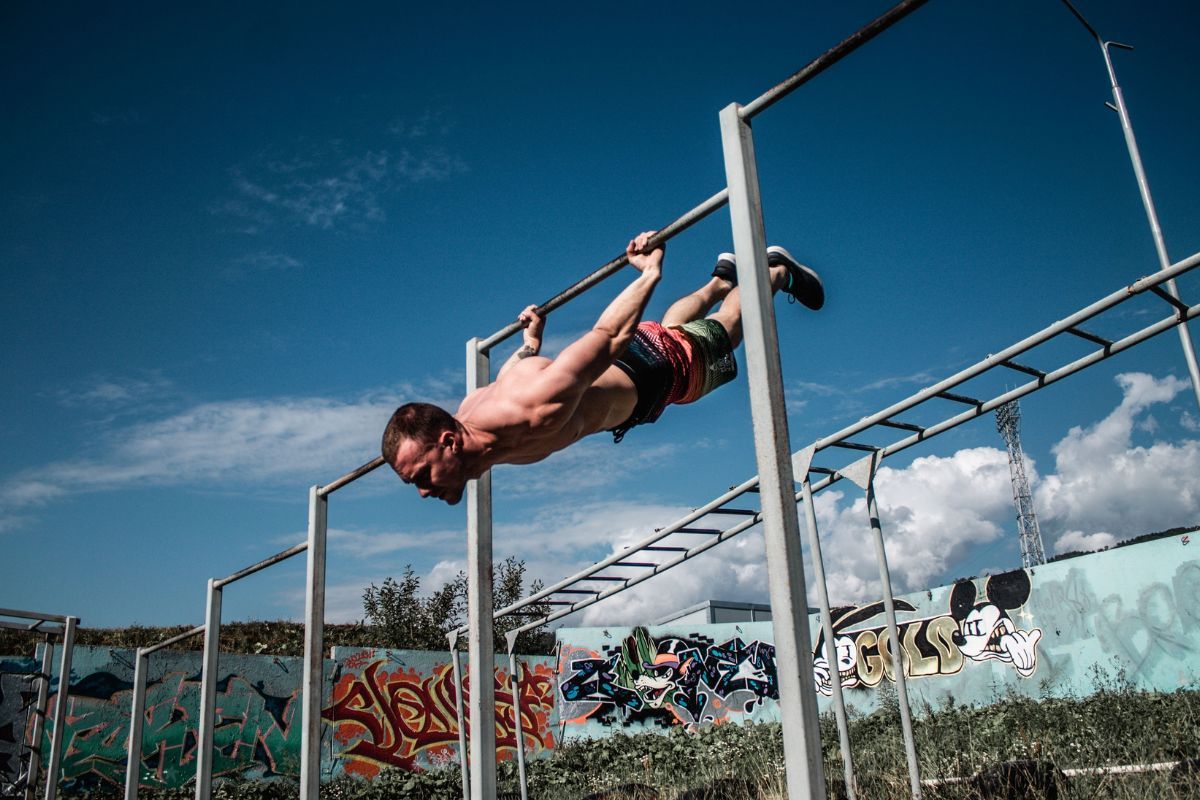
Source: Sergey Ochkanov on Pexels
Calisthenics in Singapore
You do not need an expensive gym membership or a room full of equipment to build a strong, capable body. With calisthenics, your body provides most of the resistance you need. Exercises such as push-ups, squats, pull-ups, dips, and planks can help you develop strength, mobility, balance, and better control over how you move.
That simplicity has made calisthenics in Singapore an increasingly attractive option for beginners and experienced fitness enthusiasts alike. Singapore has plenty of public parks, fitness corners, exercise stations, and outdoor spaces where you can train without paying an entry fee. NParks lists fitness facilities across the island, including neighbourhood fitness corners that are available throughout the day, making outdoor training convenient for many residents.
Calisthenics is also easy to adapt to your current fitness level. A beginner might start with incline push-ups, bodyweight squats, or assisted rows. Someone with more experience can work towards pull-ups, handstands, muscle-ups, levers, and planche progressions. You can make an exercise easier or harder by changing your position, range of motion, tempo, or leverage, so there is always another step to work towards.
The local calisthenics scene has developed beyond casual solo workouts too. Outdoor training groups, coaches, classes, community events, and organised competitions give people more opportunities to learn skills and meet others who enjoy bodyweight training. Singapore has even hosted dedicated calisthenics events featuring freestyle and streetlifting competitions, showing how the sport continues to build a more visible local presence.
In this article, you will learn what calisthenics is, why it works, and where you can practise it in Singapore. We will also cover beginner exercises, advanced skills, useful equipment, local class options, common training mistakes, and practical tips for staying consistent. Whether you want to exercise outdoors, join a supportive community, or eventually master your first muscle-up, this guide will help you take the first step.
What is calisthenics?
Calisthenics is a form of strength training that uses your body weight as the main source of resistance. Instead of relying on barbells, weight machines, or heavy gym equipment, you perform movements such as push-ups, squats, pull-ups, lunges, dips, and planks.
Some exercises require basic equipment, such as a pull-up bar, parallel bars, or gymnastics rings. However, the resistance still comes mainly from your own body. This makes calisthenics practical for people who prefer training at home, in a public fitness corner, or at one of the many outdoor exercise parks in Singapore.
The appeal is easy to understand. You can begin with movements that match your current ability and gradually work towards more challenging variations. You do not need to perform a muscle-up or hold a handstand on your first day. Building a strong foundation matters more than attempting advanced skills too early.
How bodyweight training works
Bodyweight training becomes easier or harder depending on your position, range of motion, speed, stability, and leverage.
Take a push-up as an example. A beginner may start with wall push-ups or incline push-ups using a bench. Once those feel comfortable, they can progress to standard floor push-ups. More experienced athletes may try decline push-ups, archer push-ups, ring push-ups, or one-arm push-up progressions.
The same principle applies to pulling exercises. You can begin with an Australian row, where your feet remain on the ground, before moving to assisted pull-ups and full pull-ups. Over time, you can add pauses, slow down the lowering phase, increase the range of motion, or progress towards more difficult skills.
This ability to adjust each movement makes calisthenics useful across different fitness levels. A well-planned bodyweight program can train strength, mobility, stability, muscular endurance, and cardiovascular fitness. The American Council on Exercise also highlights how bodyweight movements can support mobility, muscular training, and cardiorespiratory exercise within a complete workout program.
Calisthenics vs weight training
Calisthenics and weight training can both build strength and muscle, but they use different methods.
Weight training usually involves external resistance from dumbbells, barbells, kettlebells, cables, or machines. Increasing the difficulty is relatively straightforward: you add more weight, perform more repetitions, or increase the number of sets.
Calisthenics increases difficulty by changing the movement itself. You may adjust your body angle, use one limb instead of two, reduce your points of contact, or move into a position with less mechanical advantage. A bodyweight squat, for example, can progress into a split squat, Bulgarian split squat, assisted pistol squat, and eventually a full pistol squat.
Calisthenics also places greater emphasis on moving and controlling your entire body as one connected unit. Advanced exercises such as handstands, front levers, and planche progressions demand strength, balance, coordination, and body awareness at the same time.
You do not have to choose one approach permanently. Many athletes combine calisthenics with traditional weight training. Weights can provide targeted resistance for the legs and smaller muscle groups, while calisthenics can develop body control, joint stability, and skill-based strength.
Calisthenics vs CrossFit
Calisthenics and CrossFit share several exercises, including pull-ups, push-ups, squats, handstands, and other gymnastics-based movements. Their training styles and goals, however, are different.
Calisthenics centres on bodyweight strength and skill progression. A session may focus on improving pull-up technique, building enough strength for a muscle-up, or practising the balance needed for a handstand. Rest periods and exercise selection are usually adjusted around the athlete’s chosen skill or strength goal.
CrossFit, meanwhile, combines varied functional movements performed at relatively high intensity. A CrossFit workout may include bodyweight exercises alongside Olympic lifts, kettlebells, running, rowing, cycling, or other conditioning work. Sessions are often timed, scored, or structured as circuits.
Both can improve general fitness. Calisthenics may appeal more to someone who enjoys mastering movements and training with minimal equipment. CrossFit may suit someone who prefers fast-paced workouts, varied exercises, group coaching, and measurable workout scores.
Is calisthenics suitable for beginners?
Yes. Beginners can practise calisthenics safely and effectively when exercises are scaled to their current strength and mobility.
You do not need to be able to complete a full pull-up before starting. Assisted pull-ups, resistance-band pull-ups, dead hangs, scapular pulls, and bodyweight rows can help you develop the necessary strength. The same approach works for dips, push-ups, squats, and core exercises.
A beginner program should focus on fundamental movement patterns:
- Pushing, such as incline push-ups
- Pulling, such as Australian rows
- Squatting, such as bodyweight squats
- Lunging, such as reverse lunges
- Bracing, such as planks
- Hanging, such as supported dead hangs
Beginners should prioritise controlled movement and proper form instead of chasing high repetition counts. Starting with two or three full-body sessions per week gives your muscles, joints, and connective tissues enough time to adapt.
Advanced athletes follow the same basic principle. They simply use more demanding progressions, including muscle-ups, handstands, human flags, front levers, back levers, and planche variations. This wide progression range allows calisthenics to remain challenging even after years of training.
Common calisthenics movements
Most calisthenics programs are built around a small number of fundamental movement patterns. Push-ups and dips train the chest, shoulders, and triceps. Pull-ups, chin-ups, and rows strengthen the back, arms, and grip. Squats and lunges develop the legs, while planks, hollow-body holds, and hanging knee raises train the core.
You may also encounter static or isometric movements, where you hold your body in a fixed position. Examples include the plank, L-sit, handstand, front lever, and planche. These skills require you to create full-body tension while maintaining a specific position.
Dynamic skills involve more movement and momentum.
Muscle-ups, handstand push-ups, bar transitions, and freestyle combinations fall into this category. They look impressive, but they should come after you have developed enough pulling strength, pushing strength, shoulder stability, and control.
The best starting point is usually simple: master the basic movements, practise them consistently, and progress one step at a time. Calisthenics rewards patience. Every clean repetition builds the strength and control needed for the next skill.
e-ups, levers, and planche progressions. You can make an exercise easier or harder by changing your position, range of motion, tempo, or leverage, so there is always another step to work towards.
The local calisthenics scene has developed beyond casual solo workouts too. Outdoor training groups, coaches, classes, community events, and organised competitions give people more opportunities to learn skills and meet others who enjoy bodyweight training.
Singapore has even hosted dedicated calisthenics events featuring freestyle and streetlifting competitions, showing how the sport continues to build a more visible local presence.
In this guide, you will learn what calisthenics is, why it works, and where you can practise it in Singapore. We will also cover beginner exercises, advanced skills, useful equipment, local class options, common training mistakes, and practical tips for staying consistent.
Whether you want to exercise outdoors, join a supportive community, or eventually master your first muscle-up, this guide will help you take the first step.
Why calisthenics is growing in Singapore
Calisthenics fits naturally into Singapore’s active lifestyle. It is flexible, relatively affordable, and easy to practise in public spaces. You can complete a full workout using a nearby bench, a pull-up bar, or a clear patch of ground. That makes it appealing to students, office workers, travellers, and anyone who wants a simpler way to stay active.
The sport also gives people something concrete to work towards. Your first clean push-up may lead to a full set. An assisted pull-up may eventually become an unassisted repetition. From there, you can begin practising skills such as dips, handstands, muscle-ups, and levers. Progress is easy to see, which can make training feel more rewarding.
Singapore’s public fitness infrastructure helps as well. Fitness corners, exercise stations, parks, and community-based activities give residents many ways to train close to home. ActiveSG has also highlighted calisthenics as an accessible form of exercise supported by outdoor fitness parks and a growing local community.
Affordable fitness option
Cost is one of the biggest reasons people try calisthenics. A basic routine may include push-ups, squats, lunges, planks, and other exercises that require no equipment. When you are ready to add pulling movements, you can use public bars or invest in a simple resistance band.
This low barrier to entry is especially useful in a city where gym memberships and coached fitness classes can become a significant monthly expense. You can start calisthenics without committing to a contract, buying several pieces of equipment, or travelling to a specialised facility.
Many outdoor fitness spaces are free to use. This gives beginners time to explore the training style before deciding whether they want to join a class or work with a coach. It also allows experienced practitioners to train regularly without depending on gym opening hours.
Free does not mean ineffective. The difficulty of a bodyweight workout can increase through additional repetitions, slower tempos, longer holds, deeper ranges of motion, and more challenging exercise variations. What matters most is following a structured progression rather than repeating the same easy routine indefinitely.
Singapore’s outdoor fitness infrastructure
Singapore has an extensive network of parks and neighbourhood fitness corners. The NParks fitness directory helps users explore parks and park connectors suitable for active recreation across different parts of the island.
Facilities vary between locations. Some fitness corners mainly provide fixed exercise machines, while others include pull-up bars, parallel bars, monkey bars, benches, and open spaces that work well for bodyweight training. Several neighbourhood parks remain open 24 hours, giving residents more flexibility to exercise before work, after dinner, or during quieter periods of the day.
Newer outdoor fitness areas are also becoming more inclusive. Tampines Boulevard Park, for example, provides fitness areas in both sections of the park, with equipment designed for different age groups and physical abilities.
This infrastructure makes calisthenics easier to include in everyday life. You may already have a usable training area within walking distance of your home. A park visit can become a quick full-body session, while a run along a park connector can be combined with push-ups, rows, squats, and core exercises.
Before beginning a workout, check that the equipment is stable, dry, and in good condition. Outdoor metal bars can become slippery after rain, and exposed surfaces may feel hot during the middle of the day. Training earlier in the morning or later in the evening can make sessions more comfortable in Singapore’s climate.
Functional strength training
Calisthenics develops strength through movements that involve several joints and muscle groups at once. A push-up requires coordination between your chest, shoulders, arms, core, and lower body. A pull-up challenges your back and arms while demanding grip strength, shoulder control, and trunk stability.
This full-body coordination can carry over into daily movement. Stronger legs make climbing stairs easier. Better core control supports lifting and carrying tasks. Improved shoulder stability can help you reach overhead with greater confidence.
Calisthenics can also develop:
- Mobility: The ability to move your joints through a useful range of motion.
- Balance: The control needed to maintain stable positions.
- Flexibility: The capacity of your muscles and surrounding tissues to lengthen.
- Coordination: The ability to control several body parts during one movement.
- Body awareness: A clearer understanding of your position and movement in space.
Active Health Singapore includes strength, balance, and mobility among the core components of physical fitness. Its programmes use coach-led and community-based activities to help people improve these qualities through practical movement.
You still need to train with purpose. Randomly performing advanced skills may look exciting, but it rarely builds a balanced foundation. Beginners generally make better progress by practising basic pushing, pulling, squatting, hinging, hanging, and core-bracing movements first.
Strong local community
Calisthenics can be practised alone, but the social side has helped the sport become more visible in Singapore. Local athletes, coaches, outdoor groups, and online communities regularly share training advice, exercise progressions, and skill demonstrations.
Training with other people can make difficult sessions feel more manageable. You can learn how someone improved their pull-ups, ask for feedback on your handstand position, or find a training partner with similar goals. Seeing other people at different stages also shows how progress can vary. One person may be working towards their first push-up while another is refining a muscle-up.
ActiveSG identifies several local calisthenics groups, athletes, and platforms, including Common Ground SG and Singapore Calisthenics Academy. These communities help beginners discover events, workouts, tutorials, and other people interested in bodyweight training.
Organised sessions also add structure. A coach can help participants choose suitable progressions, correct unsafe technique, and plan workouts around specific goals. Group classes create accountability because participants have a set place and time to train.
For beginners, community support can make the learning process less intimidating.
You do not need to arrive with impressive skills. Start with the movements you can control, ask sensible questions, and improve at your own pace. The strongest communities value consistency and safe progress more than showing off advanced tricks.
Best places for calisthenics in Singapore
Finding a place to practise calisthenics in Singapore is usually easier than finding the motivation to start. Public parks, neighbourhood fitness corners, ActiveSG facilities, and specialised studios are spread across the island. Your best option depends on the exercises you want to perform, your experience level, and whether you prefer independent training or professional coaching.
Before travelling to a new location, check whether it has the equipment you need. A general fitness corner may have stretching stations and fixed exercise machines but no suitable pull-up bar. For a complete calisthenics session, look for horizontal bars, parallel bars, low bars, monkey bars, benches, and enough open space for floor exercises.
Outdoor fitness parks
Public parks are a practical starting point for beginners. They are free, easy to access, and often located near walking paths or running routes. You can combine a short jog with push-ups, squats, lunges, planks, and exercises using the available stations.
The NParks fitness directory allows you to search for parks and park connectors with fitness facilities across Singapore. Equipment varies between locations, so it is worth checking the individual park page or visiting the area before planning a full workout there.
Kent Ridge Park is one useful option for people who enjoy combining strength training with walking or running. It has 20 fitness stations, which NParks describes as the largest number of exercise stations within one of its parks. Some stations cater to older users, while others can support general bodyweight and mobility exercises.
For a quieter neighbourhood setting, St Michael’s Fitness Corner has five sets of adult fitness equipment and is open 24 hours. Its location near the Kallang Park Connector also makes it convenient for anyone who wants to add a walk, jog, or cycle to their workout.
Tampines Boulevard Park has outdoor fitness areas in both sections of the park. Its barrier-free equipment is designed for a range of ages and physical abilities, making it a welcoming option for families, older adults, and beginners who want to ease into regular exercise.
When training outdoors, Singapore’s weather matters. Metal bars may become slippery after rain and uncomfortable under direct afternoon sun. Early mornings and evenings are often more manageable, although popular fitness corners may be busier during those periods.
Calisthenics parks
A dedicated calisthenics or street-workout park usually offers more useful equipment than a standard fitness corner. You are more likely to find pull-up bars at different heights, parallel bars, low bars for Australian rows, monkey bars, and open frames suitable for resistance bands or gymnastics rings.
These facilities allow you to follow a clearer progression. A beginner can practise assisted rows and supported dips, while an experienced athlete can work on muscle-ups, front levers, human flags, and other skills that require sturdy overhead bars.
Community-maintained park directories list calisthenics locations such as Tiong Bahru Park, Yew Tee Park, and Bukit Batok Sky Peak. These directories can be helpful when searching for specific equipment, but their information may be contributed by users rather than facility operators. Check recent photos, reviews, and access details before making a special trip.
When assessing a park, look beyond the number of bars. A useful training space should have stable equipment, safe flooring, enough clearance around each station, and bars with a diameter you can grip comfortably. Beginners may also benefit from low bars because they make exercises such as Australian rows and assisted pull-ups easier to scale.
Community clubs and sports facilities
Community clubs and public sports facilities suit people who want more structure without committing to a private boutique gym. Depending on the venue, you may find indoor gyms, sheltered exercise spaces, sports courts, fitness programmes, or group sessions led by instructors.
ActiveSG Park at Jurong Lake Gardens, for example, includes a gym, swimming pool, exercise playground, and a range of workout classes. Facilities like this make it easier to combine calisthenics with cardio, swimming, or conventional resistance training. Bookings and programme availability can be checked through ActiveSG.
Community facilities can also be useful during Singapore’s wetter months. A sheltered or indoor area gives you a backup when outdoor bars are wet. However, gym rules may restrict activities such as attaching rings, using chalk, or practising dynamic movements. Ask the staff before setting up personal equipment.
Organised sessions are especially valuable for beginners who feel uncertain about technique. Even a few coached classes can help you learn how to position your shoulders during a pull-up, brace your core during a push-up, and choose progressions that match your current strength.
Indoor functional fitness gyms
An indoor calisthenics gym offers a more controlled environment, with purpose-built equipment, professional coaching, and protection from heat or rain. It may cost more than training in a park, but the added guidance can help you avoid common mistakes and progress more efficiently.
The Singapore Calisthenics Academy offers an introductory class and beginner programmes focused on fundamental pushing, pulling, and squatting patterns. Its programme also includes more specialised training for handstands, planches, levers, human flags, rings, and lower-body calisthenics.
The Faculty provides calisthenics, handstand, mobility, and flexibility classes throughout the week. This combination can be helpful because advanced bodyweight skills require more than strength alone. Wrist preparation, shoulder mobility, balance, and control all influence how safely you can perform them.
PushPullGive also offers several calisthenics classes designed for different goals and proficiency levels, including beginner-to-intermediate training options.
Before buying a large class package, try an introductory or drop-in session. Pay attention to how the coach scales exercises, explains technique, and manages people with different abilities. A good beginner class should help you improve the basics rather than rush you into muscle-ups or handstands before your body is ready.
The best training location is ultimately the one you can visit consistently. A fully equipped gym across the island may be less useful than a simple fitness corner five minutes from home. Start with a convenient space, confirm that it supports your essential movements, and expand your options as your skills develop.
Best calisthenics exercises for beginners
A good beginner calisthenics routine should train your entire body without asking you to perform skills you are not ready for. Start with basic pushing, pulling, squatting, lunging, bracing, and hanging movements. These patterns create the foundation for advanced exercises such as pull-ups, handstands, muscle-ups, and levers.
You also do not need to make every session exhausting. Choose variations that let you move with control and maintain proper form from the first repetition to the last. Singapore’s ActiveSG guide to bodyweight strength training similarly recommends starting with manageable exercises and progressing as your strength improves.
Push-Ups
Push-ups strengthen your chest, shoulders, triceps, and core. They also teach you how to keep your body stable while your upper body produces force—a skill that supports dips, handstands, and many other calisthenics movements.
Begin in a high plank with your hands slightly wider than shoulder-width apart. Keep your head, hips, and heels in one line. Bend your elbows and lower your chest towards the floor, then push the ground away until your arms are straight again.
Avoid letting your hips sink or your elbows flare directly out to the sides. Your elbows should generally travel backwards at a comfortable angle rather than forming a straight line with your shoulders.
A full floor push-up may be too difficult at first. Place your hands on a sturdy bench, rail, or elevated surface to perform incline push-ups. A higher surface makes the movement easier. As you become stronger, gradually lower the height until you can perform clean repetitions on the floor.
Progression: Wall push-up → incline push-up → knee push-up → standard push-up → decline push-up.
Bodyweight squats
Bodyweight squats train your quadriceps, glutes, hamstrings, and core. They also develop the leg strength and mobility needed for running, climbing stairs, jumping, and eventually performing single-leg exercises.
Stand with your feet around shoulder-width apart and point your toes slightly outwards. Push your hips back as you bend your knees, keeping your chest comfortably upright. Lower yourself as far as you can while keeping your feet planted, then drive through your whole foot to stand.
Your knees should follow the direction of your toes instead of collapsing inwards. Do not force yourself into a deep position if your heels lift or your lower back rounds excessively. Squat depth can improve gradually as your ankle and hip mobility develops.
Beginners who struggle with balance can practise sitting down onto a bench and standing back up. The ACE bodyweight squat guide also recommends initiating the movement by shifting the hips backwards while maintaining an upright chest.
Progression: Chair squat → bodyweight squat → pause squat → split squat → assisted pistol squat.
Planks
Planks strengthen your core by teaching it to resist unwanted movement. Instead of repeatedly bending your spine, you hold your torso steady while your shoulders, abdominal muscles, glutes, and legs work together.
Place your forearms on the ground with your elbows beneath your shoulders. Extend your legs behind you and lift your knees. Squeeze your glutes, gently brace your stomach, and maintain a straight line from your head to your heels.
Do not focus only on holding the position for as long as possible. A shorter plank with strong body tension is more useful than a long hold performed with sagging hips and relaxed abdominal muscles.
Begin with sets of 10 to 20 seconds if necessary. Increase the duration gradually while preserving the same position. You can also perform the exercise with your knees on the floor until you develop enough strength for a full plank.
Progression: Elevated plank → knee plank → forearm plank → high plank → long-lever plank.
Australian rows
Australian rows, also called inverted rows or bodyweight rows, are one of the best exercises for preparing your body for pull-ups. They strengthen your upper back, biceps, forearms, and grip while teaching you how to pull your shoulder blades together.
Use a sturdy horizontal bar positioned around waist height. Hold the bar, walk your feet forwards, and lean back until your arms are straight. Keep your body firm, then pull your chest towards the bar. Pause briefly before lowering yourself under control.
The closer your body is to an upright position, the easier the exercise becomes. Walking your feet farther forwards and bringing your body closer to horizontal increases the difficulty.
Keep your shoulders away from your ears and avoid leading the movement with your chin. Think about pulling your elbows behind you while bringing your chest towards the bar.
Progression: High-angle row → bent-knee row → straight-leg row → feet-elevated row.
Assisted pull-ups
Pull-ups are a major milestone in calisthenics, but many beginners cannot perform one immediately. Assisted variations allow you to practise the same movement while reducing the amount of body weight you need to lift.
You can use a resistance band, an assisted pull-up machine, or place one foot on a stable platform. Begin from a controlled hanging position. Pull your shoulders down, bend your elbows, and bring your upper chest towards the bar. Lower yourself slowly rather than dropping back to the starting position.
Use only as much assistance as you need. A very strong resistance band may help you complete more repetitions, but it can also do too much of the work. Gradually move to lighter bands as your pulling strength improves.
Dead hangs, scapular pulls, Australian rows, and slow negative pull-ups can also support your progress. During a negative pull-up, you begin at the top and lower yourself as slowly as possible.
Progression: Dead hang → scapular pull → Australian row → band-assisted pull-up → negative pull-up → full pull-up.
Dips
Dips develop the chest, shoulders, and triceps. They can eventually become a valuable progression towards straight-bar dips and muscle-ups, but beginners should approach them carefully because the movement places the shoulders in a deep position.
Start with parallel bars that allow your feet to reach the ground or a support platform. Hold the bars with straight arms and keep your shoulders down. Bend your elbows and lower yourself only as far as you can control, then press back to the top.
You do not need to descend extremely low. Stop if your shoulders roll forwards, you lose stability, or you feel pain at the front of the joint.
Bench dips are common, but the fixed hand position can feel uncomfortable for some people. Supported parallel-bar dips often allow a more natural arm path. Use your feet or a resistance band to reduce the load while learning the movement.
Progression: Support hold → foot-assisted dip → band-assisted dip → full parallel-bar dip.
Lunges
Lunges strengthen each leg individually, which can help address differences in strength and balance between your left and right sides. They mainly work the quadriceps, glutes, hamstrings, and core.
From a standing position, step backwards with one foot and lower your back knee towards the floor. Keep most of your weight through the front foot, then press through that foot to return to standing.
Reverse lunges are often easier for beginners to control than forward lunges. They generally require less braking force and make it easier to keep the front foot firmly planted.
Keep your torso tall and allow your front knee to follow the direction of your toes. Shorten the range of motion or hold a stable object if balance is difficult. As your control improves, you can progress to walking lunges, split squats, and Bulgarian split squats.
Progression: Supported reverse lunge → reverse lunge → walking lunge → split squat → Bulgarian split squat.
Hanging knee raises
Hanging knee raises strengthen the abdominal muscles, hip flexors, shoulders, and grip. They also teach you to control your body while hanging, which is useful for pull-ups, toes-to-bar exercises, and lever progressions.
Hang from a secure pull-up bar with your arms straight. Brace your core and bring your knees towards your chest without swinging. Lower them slowly until your body becomes still again.
Avoid generating momentum by kicking your legs or arching your back. If you begin to swing, pause before starting the next repetition. A controlled set of five repetitions will build more useful strength than a larger set driven mainly by momentum.
Hanging may be demanding for your hands and shoulders at first. You can begin with lying knee raises on the floor or use a captain’s chair, where your forearms and back receive additional support.
Progression: Lying knee raise → supported knee raise → hanging knee raise → straight-leg raise → toes-to-bar.
How to put these exercises together
You do not need to perform all eight exercises during every workout. A simple beginner session can include one pushing movement, one pulling movement, one lower-body exercise, and one core exercise.
For example, you could perform incline push-ups, Australian rows, bodyweight squats, and planks. During the next session, you might choose assisted dips, assisted pull-ups, reverse lunges, and hanging knee raises.
Start with two or three controlled sets per exercise. Stop when your form begins to break down rather than forcing extra repetitions. Build up slowly by adding a repetition, extending a hold, reducing assistance, or moving to a slightly harder variation. Both the NHS and ACE recommend gradual progression for beginners instead of increasing difficulty too quickly.
Sharp pain, dizziness, or joint discomfort is a reason to stop and reassess the movement. Muscle fatigue is normal during strength training, but pain should not be treated as proof that an exercise is working. Give your body time to recover, and focus on making each repetition cleaner before moving towards advanced calisthenics skills.
Intermediate and advanced calisthenics skills
Once you can perform the fundamentals with control, calisthenics opens up a much wider range of skills. Pull-ups become muscle-ups. Basic support holds lead towards handstands and planches. Core training develops into front levers, back levers, and human flags.
These movements may look effortless when performed by an experienced athlete, but each one requires a specific combination of strength, mobility, balance, technique, and patience. Progress rarely happens in a straight line. You may improve quickly at first, spend weeks refining one position, and then suddenly unlock a skill that previously felt impossible.
Avoid treating advanced movements as shortcuts to faster results. Build the required strength first, use manageable progressions, and give your joints enough time to adapt.
Singapore studios such as Singapore Calisthenics Academy and PushPullGive offer structured classes for skills including muscle-ups, handstands, levers, and other advanced bodyweight movements.
Pull-ups and chin-ups
Pull-ups and chin-ups are key upper-body exercises in calisthenics. Both train the back, arms, shoulders, core, and grip, but the hand position changes how the muscles contribute.
During a pull-up, your palms generally face away from you. During a chin-up, your palms face towards you. Chin-ups often feel more manageable because the hand position allows the biceps to contribute more strongly, although individual comfort and shoulder mobility also matter.
Start each repetition from a controlled hang. Pull your shoulders down before bending your elbows, keep your body stable, and bring your upper chest towards the bar. Lower yourself with control until your arms are straight again. Avoid shortening the range, swinging your legs, or driving your chin forwards simply to clear the bar.
Once regular repetitions feel comfortable, you can increase the challenge through slower lowering phases, pauses, chest-to-bar pull-ups, explosive pulls, or added weight.
Explosive pulling strength is particularly important for athletes working towards a muscle-up. Singapore Calisthenics Academy includes weighted and explosive pull-ups in its muscle-up training to develop the pulling power needed for the transition above the bar.
Suggested progression: Assisted pull-up → negative pull-up → chin-up → pull-up → chest-to-bar pull-up → explosive pull-up.
Muscle-ups
A muscle-up combines a powerful pull with a transition over the bar and a straight-bar dip at the top. It requires more than the ability to perform several normal pull-ups. You need enough pulling height, coordination, grip strength, and pressing strength to move your body above the bar.
One common mistake is trying to circle around the bar using excessive swinging. Momentum can be part of certain muscle-up styles, but relying on an uncontrolled kick often hides weaknesses in the pull or transition. It may also place unnecessary stress on the elbows and shoulders.
Build the movement in separate parts. Practise explosive chest-to-bar pulls, straight-bar dips, controlled negatives, and low-bar transition drills. Resistance bands can help you understand the path of the movement, but use them carefully. A thick band may push you through the hardest part without teaching you how to control it.
Athletes interested in a strict muscle-up should focus on pulling high while keeping the bar close to the body. Your wrists must then rotate over the bar as your chest moves above it. Structured coaching can be useful here because small changes in timing and body position make a noticeable difference.
Suggested progression: Pull-up → explosive pull-up → straight-bar dip → assisted transition → band-assisted muscle-up → full muscle-up.
Handstands
A handstand is partly a strength skill and partly a balance skill. Strong shoulders and arms help you support your weight, but balance comes from learning how to make small corrections through your fingers, wrists, shoulders, and body position.
Begin with wrist preparation and wall-supported holds. Face-the-wall handstands are particularly useful for learning a straight body line because they discourage excessive arching through the lower back. Press your hands firmly into the floor, push your shoulders upwards, brace your core, and keep your legs together.
When you feel comfortable upside down, practise controlled kick-ups with enough open space around you. Learning how to exit safely is just as important as learning how to enter the position. Turn to the side or perform a controlled cartwheel exit rather than falling directly onto your back.
Freestanding balance may take time even when your strength is good. Short, frequent practice sessions often work better than exhausting your shoulders with long attempts. The Faculty and PushPullGive both offer dedicated handstand training alongside calisthenics and mobility work in Singapore.
Suggested progression: Pike hold → wall walk → chest-to-wall handstand → controlled kick-up → freestanding handstand.
Front lever
The front lever is a straight-body hold performed while hanging from a bar or gymnastics rings. Your body remains horizontal and faces upwards while your arms stay straight.
This skill demands strong lats, shoulders, core muscles, and scapular control.
You must pull down through the bar while keeping your hips from dropping. Simply performing more abdominal exercises will not be enough because the shoulders and back play a major role in maintaining the position.
Start with easier shapes that shorten the effective length of your body. A tucked position brings your knees closer to your chest, reducing the force placed on your shoulders and core. As your control improves, move towards an advanced tuck, one-leg variation, straddle, and eventually a full front lever.
Keep your elbows locked and avoid rushing into a flatter position if your hips fall or your shoulders lose tension. Singapore Calisthenics Academy’s lever training emphasises scapular control, core tension, shoulder stability, and pulling strength as foundations for these straight-arm skills.
Suggested progression: Tuck front lever → advanced tuck → one-leg front lever → straddle front lever → full front lever.
Back lever
The back lever is another horizontal hanging hold, but your body faces towards the floor. It is usually entered by rotating backwards through the arms from an inverted position.
Although some athletes find the back lever easier than the front lever, it can place considerable pressure on the shoulders, elbows, and biceps. Shoulder extension and straight-arm conditioning are therefore essential. Anyone with existing shoulder or elbow discomfort should avoid forcing the position.
Beginners to back-lever training can start with skin-the-cat exercises performed through a comfortable range. This helps develop awareness while moving through an inverted hang. From there, tuck holds can introduce the static position without placing the full load across an extended body.
Use a secure bar or gymnastics rings and keep the movement slow. Do not drop suddenly into the deepest position. Your shoulders need time to adapt to the unfamiliar loading angle.
Suggested progression: German hang preparation → skin-the-cat → tuck back lever → advanced tuck → straddle back lever → full back lever.
Human flag
The human flag involves holding your body horizontally beside a vertical pole or bar structure. One arm pulls while the other pushes, creating opposing forces that support the body.
Strong shoulders, lats, obliques, grip, and scapular control all contribute to the position. Technique also matters. Your arms should remain firm, your hips should stay aligned, and your body should create tension from your hands through your feet.
Start by learning the correct hand placement and practising vertical support positions. Tuck variations allow you to keep your legs close to your body, making the hold easier to control. You can then extend one leg, open into a straddle, and gradually work towards bringing both legs together.
Train both sides, even if one feels much stronger. Consistently using only your preferred side may reinforce strength and mobility imbalances. Purpose-built instruction can help you understand how to combine the pushing and pulling actions; local straight-arm classes specifically teach flag mechanics alongside scapular control and body-line tension.
Suggested progression: Vertical flag support → tuck flag → one-leg flag → straddle flag → full human flag.
Planche progressions
The planche is one of the most demanding calisthenics skills. You support your entire body above the ground with straight arms while your feet remain off the floor. Your shoulders move forwards beyond your hands, creating a high level of load through the wrists, elbows, shoulders, chest, and core.
Before attempting planche holds, build strong push-ups, dips, support holds, and scapular pushing strength. Your wrists must also tolerate the forward lean. Parallettes can reduce the degree of wrist extension and may feel more comfortable, but they do not remove the need for gradual conditioning.
Planche leans are a practical starting point. Begin in a high plank, lock your elbows, push the floor away, and carefully lean your shoulders forwards. Keep your body tight and stop before your form collapses.
Tuck planches reduce the lever length by bringing the knees towards the chest. Later variations gradually extend the hips and legs. These steps can take months or years to master, depending on your starting strength, body proportions, training frequency, and recovery.
Straight-arm planche work requires different adaptations from regular bent-arm exercises such as push-ups. Singapore Calisthenics Academy separates planche, lever, and handstand training into specialised straight-arm sessions for this reason.
Suggested progression: Planche lean → frog stand → tuck planche → advanced tuck → straddle planche → full planche.
Progress without rushing the process
Advanced calisthenics should still follow the same principle as beginner training: choose a variation you can control. A harder progression performed with bent elbows, collapsed shoulders, or poor body alignment may slow your development and increase strain.
Work on one or two main skills at a time while continuing to train the fundamentals. Pull-ups, rows, dips, push-ups, squats, core exercises, and mobility work help maintain the general strength that supports more specialised practice.
You may also benefit from recording short videos of your attempts. A movement can feel straight and stable while looking very different on camera. Reviewing your position helps you notice bent knees, dropped hips, uneven shoulders, or excessive swinging.
Most importantly, treat these skills as long-term projects. Celebrate small improvements: a longer hold, a cleaner body line, a higher pull, or a more controlled negative. Those changes may seem minor, but together they are what eventually turn an advanced progression into a complete skill.
Benefits of calisthenics
Calisthenics can do far more than help you perform impressive skills on a pull-up bar. When practised consistently, it can strengthen your muscles, improve how you move, and make everyday physical tasks feel easier.
The results depend on how you train. Repeating the same comfortable exercises forever will eventually limit your progress. You need to increase the challenge through harder variations, additional repetitions, slower tempos, longer holds, or a greater range of motion.
Calisthenics also works best as part of a balanced fitness routine. Bodyweight exercises can cover most major muscle groups, while walking, running, cycling, or swimming can provide additional cardiovascular training. Public health guidance from the World Health Organization and CDC recommends combining aerobic activity with regular muscle-strengthening exercise.
Builds functional strength
Calisthenics trains your muscles to work together during complete movement patterns. A push-up involves your chest, shoulders, triceps, core, and lower body. A pull-up requires your back, arms, grip, shoulders, and abdominal muscles to coordinate through the entire repetition.
This type of strength can support everyday activities such as climbing stairs, carrying bags, getting up from the floor, or lifting objects overhead. You learn to stabilise your own body while producing force, rather than relying on a machine to control the path for you.|
Bodyweight training can also develop relative strength, which refers to how strong you are compared with your body weight. This matters in movements such as pull-ups, handstands, and muscle-ups, where you must lift or support yourself.
Building strength still requires progressive overload. Once standard squats become easy, for example, you might add pauses, increase the range of motion, or progress towards split squats and assisted pistol squats.
Improves mobility and flexibility
Many calisthenics movements require your joints to move through a wide, controlled range. Deep squats challenge ankle and hip mobility. Hanging exercises involve the shoulders and upper back. Lunges help you practise hip extension, while support holds require stable wrists and shoulders.
However, simply doing calisthenics does not guarantee excellent mobility. Your exercise selection and technique matter. Short, rushed repetitions may do little to improve your usable range of motion.
Move slowly enough to control each position. Include exercises that take your joints through comfortable ranges, and add targeted mobility work when necessary. Someone learning a handstand, for instance, may need extra wrist and shoulder preparation. A person working towards a pistol squat may need to improve ankle mobility alongside leg strength.
Flexibility and mobility are related, but they are not identical. Flexibility describes how far muscles and surrounding tissues can lengthen. Mobility includes your ability to control a joint through that range. Calisthenics often develops both when movements are performed carefully, although dedicated stretching may still be useful.
Enhances balance and coordination
Calisthenics requires you to understand where your body is and how each part moves in relation to the others. Even a basic lunge asks you to control your feet, knees, hips, and torso while shifting your weight.
The coordination demands increase as exercises become more advanced. During a handstand, your fingers make small adjustments to keep you balanced. In a muscle-up, your pulling force, body position, grip, and transition timing must work together. A human flag requires one arm to push while the other pulls.
You do not need advanced skills to train balance. Split squats, single-leg stands, bear crawls, side planks, and controlled step-ups can all help. The CDC also recognises balance-focused activity as especially important for older adults because it can support physical function and reduce fall risk.
Increases muscular endurance
Muscular endurance is your ability to produce or maintain force repeatedly over time. It helps you complete a longer set of push-ups, hold a plank, or perform several rounds of a bodyweight circuit without losing form.
Calisthenics can build endurance because many exercises are easy to organise into moderate- or high-repetition sets. You can also combine movements into circuits with short rest periods. For example, a session might alternate between squats, incline push-ups, Australian rows, and planks.
Endurance training should still match your goals. High-repetition sets may improve your ability to keep working, but they are not always the best method for developing maximum strength. Harder variations and longer rest periods are often more suitable when your priority is strength or advanced skill development.
A balanced routine can include both. You might practise difficult pull-up progressions early in the session, then finish with an easier full-body circuit.
Develops better body control
Body control is one of the qualities that makes calisthenics distinct. You learn how to create tension, maintain alignment, and move deliberately rather than allowing momentum to take over.
A plank teaches you to brace your core and keep your hips stable. A dead hang develops awareness of your shoulder position. Slow negative pull-ups teach you to control your body against gravity. These basic lessons later support handstands, levers, planches, and other technical skills.
Better control can also improve exercise quality. You begin to notice when your hips sag during push-ups, your knees collapse during squats, or your shoulders rise during pull-ups. This awareness helps you correct small issues before they become established habits.
Control matters more than speed for most beginners. Five smooth repetitions through a comfortable range usually provide more value than 15 rushed repetitions performed with swinging, bouncing, or incomplete movement.
Suitable for different ages and fitness levels
Calisthenics can be adapted to suit many ages and ability levels because exercises have several variations. A beginner may perform push-ups against a wall, while an advanced athlete performs one-arm push-up progressions. Both people train a similar movement pattern at an appropriate level of difficulty.
Older adults may use chair squats, supported lunges, wall push-ups, and balance exercises to maintain strength and independence. Younger athletes may progress towards explosive or skill-based movements once they have developed sound technique.
This flexibility does not mean every exercise is suitable for everyone. Previous injuries, joint conditions, pregnancy, mobility limitations, and other health considerations may require modifications. Anyone with medical concerns should seek guidance from a qualified healthcare professional or experienced coach before starting a demanding program.
The CDC recommends muscle-strengthening activities that work the major muscle groups on at least two days each week for adults. Those groups include the legs, hips, back, abdomen, chest, shoulders, and arms. A well-designed calisthenics routine can train all of them.
Can be performed almost anywhere
Convenience is one of calisthenics’ strongest advantages. You can perform squats, lunges, push-ups, planks, and many core exercises in a small space. A playground or fitness corner may provide bars for rows, pull-ups, dips, and hanging movements.
This makes bodyweight training easy to fit around work, study, travel, and family commitments. You can complete a short home workout when the weather is poor or visit a public exercise park when you want more equipment.
The lack of a gym commute can also remove a common excuse for skipping exercise. A 20-minute session near home may be more sustainable than an elaborate program that requires an hour of travel.
Still, check your surroundings before training. Benches and bars should be stable, the ground should provide enough grip, and there should be sufficient space around you. Outdoor equipment in Singapore can become wet after rain or hot under direct sunlight, so adjust your session when conditions are unsuitable.
Supports long-term progress
Calisthenics gives you clear milestones that can keep training interesting. Your goals may begin with completing your first push-up or hanging from a bar for 20 seconds. Later, you might work towards five pull-ups, a controlled handstand, or a muscle-up.
These visible improvements can create a strong sense of progress. Each skill can be divided into smaller steps, giving you something specific to practise without changing your entire routine.
Consistency remains more important than chasing rapid results. Train at a level you can recover from, repeat the fundamentals, and progress only when your current variation feels stable. Over time, those simple sessions can produce meaningful improvements in strength, movement quality, endurance, and confidence.
How to start calisthenics in Singapore
Starting calisthenics does not require advanced skills, specialised equipment, or a complicated training plan. You need a suitable place to exercise, a few basic movements, and enough patience to build strength gradually.
Begin with exercises that match your current ability. A wall push-up is a valid starting point. So is a supported squat or a short dead hang. The goal during your first few weeks is to learn how each movement feels, establish consistent training habits, and finish your sessions without joint pain or severe fatigue.
Two or three full-body sessions per week are enough for most beginners. Leave at least one recovery day between demanding sessions, especially while your muscles, tendons, hands, and shoulders adjust to bodyweight training.
Find a suitable training location
Choose a training location that is convenient enough for you to visit regularly. A basic fitness corner near your home may be more useful than a fully equipped calisthenics park that takes an hour to reach.
For a beginner-friendly session, look for:
- Open ground for squats, lunges, push-ups, and planks
- A low horizontal bar for Australian rows
- A secure overhead bar for hanging and assisted pull-ups
- Parallel bars for supported holds and dip progressions
- A bench or raised platform for incline push-ups
You can use the NParks fitness directory to explore public parks and fitness facilities across Singapore. However, equipment differs between locations. Check the park details, recent photos, and user reviews before travelling specifically for pull-up or parallel bars.
Visit the location once before planning a full workout there.
Test whether the bars feel secure, confirm that the ground is suitable, and make sure you have enough space to move safely. Outdoor equipment may become slippery after rain, so postpone hanging and support exercises when your grip feels uncertain.
Indoor classes are another option if you prefer coaching, shelter from the weather, and equipment designed specifically for calisthenics. They usually cost more than outdoor training, but beginners may benefit from having someone correct their technique.
Learn proper technique
Good technique helps you train the intended muscles while reducing unnecessary pressure on your joints. It also makes your progress easier to measure. Ten clean push-ups tell you more about your strength than 20 rushed repetitions with a shortened range of motion.
Learn the basic position of each exercise before adding more repetitions. During a push-up, keep your trunk stable and lower yourself under control. During a squat, keep your feet planted and allow your knees to follow the direction of your toes. When hanging from a bar, avoid aggressively pulling or twisting your shoulders before they are ready.
Video demonstrations can help, but they cannot always show whether a movement suits your body, mobility, or injury history. Consider taking an introductory class or working with a qualified coach if you experience discomfort, feel unsure about your form, or want to learn technical skills.
Singapore’s ActiveSG bodyweight training guide describes bodyweight exercise as a beginner-friendly training option and recommends adjusting exercises according to your ability.
You can also record a short video of yourself from the side or front. Review your body position between sets rather than trying to correct everything while moving. Look for obvious issues such as sagging hips, uneven shoulders, inward-collapsing knees, or excessive swinging.
Follow a beginner program
Random exercises can make you tired, but a structured routine makes it easier to build balanced strength. Your program should cover four main areas: pushing, pulling, lower-body movement, and core stability.
A simple beginner workout could include:
- Incline push-ups: 2–3 sets of 6–12 repetitions
- Australian rows: 2–3 sets of 5–10 repetitions
- Bodyweight squats: 2–3 sets of 8–15 repetitions
- Reverse lunges: 2 sets of 5–10 repetitions per leg
- Planks: 2–3 holds of 10–30 seconds
- Supported dead hangs: 2–3 holds of 10–20 seconds
Rest for around one to two minutes between sets, or longer when needed. You should feel challenged near the end of a set while still being able to maintain your form.
Perform this routine two or three times per week. Avoid adding every exercise, skill drill, and conditioning circuit you discover online. A small program followed consistently will usually provide clearer results than a constantly changing routine.
When an exercise becomes comfortable, progress in small steps. You might add one or two repetitions, slow down the lowering phase, increase the range of motion, or move to a slightly harder variation. Change one factor at a time so you can understand how your body responds.
Do not test your maximum ability during every workout. Most sessions should build strength rather than prove it. Save all-out repetition tests for occasional progress checks.
Join a local community
Training alone gives you flexibility, but joining a local group can make calisthenics easier to learn and more enjoyable. Other practitioners can suggest exercise progressions, help you understand park equipment, and provide encouragement when progress feels slow.
Singapore has outdoor training groups, calisthenics academies, skill-based classes, and online communities for different experience levels. ActiveSG’s guide to calisthenics in Singapore highlights local athletes and communities that have helped make the sport more visible.
Before joining a session, check:
- Whether the class is suitable for complete beginners
- Which movements or skills it covers
- Whether the coach provides easier exercise variations
- How many participants attend each session
- What happens when outdoor sessions are affected by rain
- Whether you need to bring bands, gloves, or other equipment
A good beginner session should not make you feel pressured to attempt muscle-ups, deep dips, or unsupported handstands immediately. The coach should assess your current ability and offer a progression you can control.
Clear online scheduling also makes classes easier to attend consistently. Fitness coaches and studios may use booking systems such as Rezerv to publish class schedules, manage bookings, accept payments, and send reminders.
Community does not have to mean joining a formal class. You could train with a friend, attend an occasional workshop, or speak with regulars at your local fitness park. Just be careful when accepting technical advice. A person may be highly skilled at performing a movement without being qualified to coach someone with different mobility, experience, or physical limitations.
Track your progress
Calisthenics progress can be difficult to notice from one workout to the next. Keeping a simple training record helps you see improvements that might otherwise go unnoticed.
Write down the exercise variation, number of sets, repetitions, assistance level, and hold duration. You can also note how the movement felt. For example:
Band-assisted pull-ups: 3 sets of 5 using a medium band. Final set was difficult, but form remained controlled.
This information helps you decide when to progress. If you complete the highest target repetitions with good form for several sessions, you may be ready to use less assistance or attempt a harder variation.
Photos and short videos are useful for skill-based goals. A handstand hold may become straighter even before it becomes longer. Your pull-up may become smoother before you can perform another repetition. These technical improvements still count.
Set small, measurable goals rather than focusing only on advanced skills. Good early targets might include:
- Performing 10 controlled incline push-ups
- Holding a plank for 30 seconds with stable form
- Completing eight Australian rows
- Hanging from a bar for 20 seconds
- Performing your first controlled negative pull-up
- Training twice a week for one full month
Review your progress every four to six weeks. Daily testing can create frustration because strength, sleep, stress, and recovery naturally fluctuate. Look for the overall trend instead.
Your first calisthenics goal does not need to be a muscle-up or handstand.
Building a regular routine is already meaningful progress. Once the fundamentals feel stable, you will have a much stronger base for exploring classes, advanced movements, and specialised training.
Calisthenics classes in Singapore
You can learn calisthenics independently, but classes often make the early stages less confusing. A coach can assess your current ability, correct your technique, and show you the right progression instead of leaving you to copy advanced movements from social media.
Singapore offers several ways to learn, from small group sessions in dedicated studios to community workouts in neighbourhood parks. Some classes focus on general bodyweight strength, while others teach specific skills such as handstands, muscle-ups, gymnastics rings, levers, or planche progressions.
Before booking, read the class description carefully. A session labelled “calisthenics” may be a strength circuit, a technical skill class, or a high-intensity workout. The best choice depends on your experience and what you want to achieve.
Group classes
Group classes provide coaching at a lower cost than private training while adding a social element to each session. You train alongside people with similar goals, but each exercise should still be adjusted to suit your ability.
A beginner group class will usually cover fundamental movement patterns such as pushing, pulling, squatting, hanging, and core bracing. The coach may divide participants into different progressions. One person could perform incline push-ups while another works on standard or decline push-ups.
Several specialised providers operate in Singapore. Singapore Calisthenics Academy offers classes ranging from beginner fundamentals to muscle-up, rings, handstand, and straight-arm strength training. Its entry-level classes separate pushing and pulling work, helping newer participants build a balanced foundation before moving towards harder skills.
The Faculty runs calisthenics, handstand, mobility, and flexibility classes throughout the week. This variety can be useful because bodyweight skills often require a combination of strength and mobility. A handstand student, for example, may need to improve shoulder range and wrist tolerance alongside balance.
PushPullGive also provides calisthenics and functional movement programs. Its classes are designed around strength, movement, mobility, and skill development, with options for different goals and experience levels.
When comparing group classes, consider more than the workout itself. Look at class size, coaching experience, equipment quality, location, schedule, and whether the instructor provides individual feedback. A crowded session may be energetic, but it can be difficult for one coach to monitor every participant during technical movements.
A good class should also explain prerequisites. Someone joining a muscle-up session may need a certain number of controlled pull-ups and straight-bar dips. A beginner should not be expected to attempt the full skill without first developing the strength to perform its separate parts.
Personal coaching
Personal coaching gives you more direct attention. The trainer can assess your movement, identify weak areas, and build a program around a specific goal.
This option can be especially valuable when you want to:
- Achieve your first pull-up
- Improve an uneven or painful movement pattern
- Learn a handstand safely
- Build strength for a muscle-up
- Return to training after a long break
- Prepare for a calisthenics event or competition
A private session should begin with questions about your training history, injuries, current abilities, and goals. The coach may then test basic movements such as squats, push-ups, rows, hangs, or shoulder mobility. This information helps them choose an appropriate starting point.
Personal coaching is usually more expensive than group training, so use the time well. Ask why you are performing each drill and what signs indicate that you are ready to progress. A capable coach should help you understand the training process instead of making you dependent on constant supervision.
Check the trainer’s qualifications and practical coaching experience too. Being able to perform a planche does not automatically make someone skilled at teaching it. Coaching requires observation, communication, safe progression, and the ability to adapt movements for different bodies.
If possible, book a single assessment or trial session before committing to a large package. Pay attention to whether the trainer listens, explains movements clearly, and respects your current limitations.
Outdoor bootcamps
Outdoor bootcamps combine bodyweight strength exercises with conditioning, running, agility drills, resistance bands, and team-based activities. They may not focus heavily on advanced calisthenics skills, but they can improve general fitness and introduce you to basic movements in a social environment.
For example, Tribody Fitness runs an outdoor MET60 session at Parkland Green in East Coast Park. The program combines calisthenics, resistance-band exercises, aerobic conditioning, and team games.
Bootcamp by Better Bodies also conducts outdoor group workouts that may include strength training, core conditioning, running, agility exercises, and obstacle-based activities. Its sessions have used outdoor locations such as the Botanic Gardens area and facilities around Bukit Timah.
Street-calistenics groups may take a more skill-focused approach. Start Station, for example, describes its outdoor class as a bootcamp-style program built around bodyweight strength and street calisthenics.
Outdoor classes are a good fit if you enjoy fresh air, varied workouts, and group energy. However, confirm the wet-weather arrangement before booking. A provider may move the session, offer a replacement date, or cancel when surfaces become unsafe.
You should also bring water, sun protection, and a small towel. Singapore’s heat and humidity can make outdoor training more demanding than the same session indoors. Pace yourself, especially during your first few classes, and stop if you feel dizzy or unusually unwell.
Functional fitness programs
Functional fitness classes are broader than dedicated calisthenics sessions. They may combine bodyweight exercises with kettlebells, dumbbells, suspension trainers, rowing machines, or cardiovascular intervals.
These programs can still support your calisthenics journey. Rows and pull-down exercises may strengthen the muscles needed for pull-ups. Overhead pressing can support handstand development, while loaded squats can provide additional leg resistance once bodyweight squats become too easy.
Functional fitness is also useful for people who want overall strength and conditioning without making advanced calisthenics skills their main goal. A typical session may include squats, carries, push-ups, lunges, core work, and short cardio intervals.
The main limitation is specificity. A general circuit may improve your fitness but provide little time to practise the precise technique needed for a handstand, muscle-up, front lever, or planche. If you have a particular skill goal, combine general training with dedicated practice or choose a program that includes structured calisthenics progressions.
Ask how the class is organised before joining. Some sessions prioritise controlled strength work, while others aim to complete as many repetitions as possible within a set time. Beginners may benefit more from a class that allows enough rest to learn each movement properly.
Online coaching options
Online coaching can work well when you do not live near a suitable studio or prefer to train at home and in public parks. A coach may provide a customised program, review your exercise videos, track your progress, and adjust your routine remotely.
Caliversity offers online programs alongside coaching and community-based training in Singapore. The group also runs free calisthenics meetups, creating a useful bridge between online guidance and in-person community support.
Online coaching can be delivered in several ways:
- A fixed program with video demonstrations
- A personalised plan updated every few weeks
- Live video sessions
- Recorded technique reviews
- Messaging support between workouts
- A community program with shared challenges and discussions
A fixed program is usually more affordable, but it cannot respond to your individual technique or recovery. Personalised online coaching offers more feedback, although it requires you to record exercises clearly and communicate honestly about pain, fatigue, and missed sessions.
Check how often the coach reviews your progress and how quickly they respond to questions. You should also confirm whether the program requires equipment that you can access. A routine built around rings and high pull-up bars will not be practical if your nearest fitness corner has neither.
How to choose the right class
Start by identifying your main goal. A beginner strength class is appropriate when you want to learn push-ups, rows, pull-up progressions, and basic core control. A handstand class makes more sense when you already have a strength foundation and want focused balance practice.
Before signing up, check:
- The stated experience level and prerequisites
- The coach’s qualifications and teaching background
- Class size and coach-to-participant ratio
- Indoor, outdoor, and wet-weather arrangements
- Trial, drop-in, package, and cancellation options
- Whether equipment is provided
- How exercises are adapted for beginners
- The distance and travel time from your home or workplace
Convenience matters more than people often realise. A well-designed class near your home is easier to attend consistently than an ideal program located on the other side of Singapore.
The booking process can offer clues about how organised a provider is. Clear schedules, class descriptions, available spaces, cancellation terms, and automated confirmations make it easier to plan your training. Fitness businesses can use platforms such as Rezerv to manage online bookings, class schedules, memberships, payments, attendance, and customer communication in one system.
Try one or two sessions before purchasing a long-term package. The right class should challenge you while leaving enough space to learn. You should leave with a clearer understanding of your technique and what to practise next—not simply feeling exhausted.
Equipment that can help your calisthenics journey
Calisthenics is known for requiring very little equipment. You can train your legs, core, chest, and shoulders using only the floor, a wall, or a sturdy bench. Still, a few simple tools can make exercises easier to adjust and give you more room to progress.
Beginners do not need to buy everything at once. Start with equipment that supports your current program. A resistance band may help if you are learning pull-ups, while a pair of parallettes may be more useful if you want to practise L-sits or reduce pressure on your wrists during floor exercises.
Whatever you use, check it before every session. Outdoor equipment can become wet, worn, or unstable, while portable equipment must be attached to a secure surface. Follow the manufacturer’s installation and weight-limit instructions rather than assuming a bar, door frame, or anchor point can support you.
Resistance bands
Resistance bands are among the most useful and affordable calisthenics accessories. They can provide assistance during pull-ups, dips, muscle-up drills, and stretching exercises. You can also use them to add resistance to squats, rows, presses, and shoulder-conditioning movements.
For an assisted pull-up, loop the band securely around the bar and place one foot or knee inside it. The band supports part of your weight, with the greatest assistance usually occurring near the bottom of the movement. Using bands with different resistance levels allows you to reduce assistance gradually as you become stronger. The American Council on Exercise’s pull-up guide also recommends changing band strength to adjust the difficulty of assisted repetitions.
Choose a band that lets you complete controlled repetitions without launching you towards the bar. If the band is too strong, it may do most of the work and make it harder to assess your actual pulling strength.
Inspect bands regularly for small cuts, thinning, or cracks. Keep your face away from a stretched band’s path, and make sure it is secured before placing your full weight against it.
Gymnastics rings
Gymnastics rings can turn one secure overhead structure into a versatile training station. Their adjustable straps allow you to perform bodyweight rows, push-ups, support holds, dips, pull-ups, knee raises, and advanced skills at different heights.
Unlike fixed bars, rings can move independently. Your shoulders, arms, and core must work harder to keep them stable. This makes ring training highly effective, but it also means familiar exercises may feel much harder than their floor or bar-based versions.
Start with low-risk movements such as ring rows, elevated ring push-ups, and assisted support holds. Keep the rings close to your body and avoid rushing into deep ring dips or muscle-ups before you can maintain stable shoulders and straight-arm support.
The Singapore Calisthenics Academy’s rings program similarly builds from ring fundamentals towards more technical movements, including ring muscle-ups.
Attach the straps only to a structure designed to hold your moving body weight. A tree branch, temporary railing, or lightweight frame may look secure but still shift or break under dynamic force.
Parallettes
Parallettes are small parallel bars placed on the floor. They are commonly used for push-ups, L-sits, handstand work, planche leans, tuck holds, and other straight-arm strength exercises.
Their raised handles provide extra clearance between your body and the ground. This can make L-sit and tuck-planche progressions easier to practise because your hips and feet have more space. The neutral grip may also feel more comfortable than placing your palms flat on the floor, especially during handstand and planche training.
Stability matters more than height for beginners. Choose parallettes with a wide, non-slip base and handles that feel secure in your hands. Place them on a flat surface and test them with light pressure before performing a full support hold.
You can begin with simple exercises:
- Incline or full parallette push-ups
- Straight-arm support holds
- Tuck sits with one or both feet supported
- Planche leans
- Pike holds and wall-assisted handstands
Avoid progressing to dynamic handstand entries until you are confident that the bars will not slide or tip.
Pull-up bars
A pull-up bar gives you access to one of calisthenics’ most important movement patterns: vertical pulling. You can use it for dead hangs, scapular pulls, assisted pull-ups, chin-ups, hanging knee raises, and eventually muscle-ups or lever progressions.
Outdoor bars are usually the simplest option because they do not require installation. If you train at home, common choices include doorway bars, wall-mounted bars, ceiling-mounted bars, and freestanding stations.
Each type has limitations. A doorway bar saves space but may restrict your range of motion and may not suit every door frame. Wall- and ceiling-mounted bars can feel more secure when installed correctly, but the mounting surface and hardware must be able to handle your weight. Freestanding stations require more floor space and may move during explosive exercises.
Check the bar before every workout. Test it with your feet still touching the ground, then apply weight gradually. Avoid swinging, kipping, or attaching rings to a home bar unless the product is specifically designed for those forces.
A pull-up bar is still useful before you can perform a full repetition. Dead hangs, scapular movements, band-assisted pull-ups, and slow negatives can build the grip, shoulder control, and pulling strength required for unassisted pull-ups.
Grip training equipment
Grip strength often becomes a limiting factor during pull-ups, hangs, rings work, and hanging core exercises. Your back and arms may still feel strong, but the set ends because your hands can no longer hold the bar.
The most useful way to improve your grip is usually to practise gripping. Dead hangs, active hangs, towel hangs, farmer carries, and controlled pull-ups expose your hands and forearms to the demands of calisthenics.
Optional tools include hand grippers, towels, thicker grips, finger-extension bands, and liquid or block chalk. Chalk may improve friction when your hands become sweaty, which can be helpful in Singapore’s heat and humidity. Check the rules before using it at an indoor gym or public facility, and clean any residue after training.
Gloves and lifting grips may make bars more comfortable, but they should not replace gradual grip development. Thick gloves can also change how the bar feels and reduce feedback through your hands. Try them during a light session before relying on them for difficult movements.
Do not ignore skin care. File down thick calluses carefully, keep your hands clean and dry after training, and stop when you feel the skin beginning to tear. A ripped callus can interrupt your training for much longer than ending one set early.
What should a beginner buy first?
Most beginners only need one or two items. A long resistance band is usually the most versatile first purchase because it can assist pulling exercises, support mobility work, and add resistance to basic movements. After that, your choice should reflect where and how you train.
Gymnastics rings are useful when you have access to a secure anchor point. Parallettes suit people interested in floor skills and handstands. A home pull-up bar makes sense when you cannot regularly reach an outdoor fitness park.
Avoid buying equipment as a substitute for following a consistent program. The fundamentals still drive most of your progress. Use each tool to make an exercise more accessible, measurable, or challenging—not simply to make your workout look more advanced.
.jpg)
Source: pch.vector on Magnific
Common mistakes beginners make
Calisthenics looks simple because many exercises use little or no equipment. That simplicity can be misleading. Poor technique, unsuitable progressions, and rushed training can still place unnecessary stress on your wrists, elbows, shoulders, knees, and lower back.
Most beginner mistakes come from trying to achieve visible skills too quickly. A muscle-up or handstand may be the long-term goal, but your early sessions should build the strength, mobility, and control those skills require. Learning the basics properly will make later progress safer and more predictable.
Skipping fundamental movements
Advanced calisthenics skills attract attention, so it is tempting to begin practising them immediately. However, skills such as muscle-ups, planches, and levers are built on basic pushing, pulling, bracing, hanging, and support strength.
Someone working towards a muscle-up should first develop controlled pull-ups and straight-bar dips. A handstand beginner needs shoulder stability, wrist tolerance, core control, and confidence supporting their weight. Without these foundations, skill practice often turns into repeated failed attempts rather than productive training.
A balanced beginner program should include exercises for all major muscle groups, such as:
- Push-ups or an easier variation
- Australian rows or assisted pull-ups
- Squats and lunges
- Planks or hollow-body holds
- Dead hangs and scapular exercises
Singapore’s HealthHub physical activity guide recommends strength exercises that cover the major muscle groups rather than focusing repeatedly on one area.
Keep practising these movements even after you begin learning more advanced skills. Fundamentals are not exercises you leave behind. They help you maintain strength, correct weak points, and prepare your body for harder progressions.
Using poor exercise form
Completing more repetitions does not automatically mean you are improving. When your hips drop during push-ups, your knees collapse during squats, or your body swings through pull-ups, other muscles and momentum begin compensating for the strength you lack.
Slow down enough to feel the movement. Use a comfortable range of motion and stop the set when your position changes significantly. A few controlled repetitions are more useful than a large set performed with shortened movement or unstable joints.
Pay attention to common form problems:
- Push-ups: Sagging hips, raised shoulders, or elbows flaring too far out
- Squats: Heels lifting, knees collapsing inward, or losing control at the bottom
- Pull-ups: Swinging, shrugging the shoulders, or pushing the chin forwards
- Dips: Dropping too deeply or allowing the shoulders to roll forwards
- Planks: Holding your breath or letting the lower back sink
HealthHub describes exercise form as the way you position and move your body during physical activity. Its guidance recommends learning safe technique and consulting a qualified trainer when you are unsure how to perform resistance exercises correctly.
Recording yourself can help because your position may feel different from how it looks. Film one set from the side or front, then review it between exercises. Focus on one correction at a time rather than trying to change everything during the same repetition.
Sharp or increasing joint pain is not a form issue to push through. Stop the movement, try an easier variation, and seek professional advice if the discomfort continues.
Progressing too quickly
Calisthenics progression involves more than muscular strength. Your tendons, ligaments, joints, grip, and skin also need time to adapt to new loads.
You may have enough pulling strength to attempt an advanced movement while your elbows or shoulders are still unprepared for its volume. Straight-arm skills such as planches and levers can be particularly demanding because they load the joints differently from standard push-ups and pull-ups.
Increase the challenge gradually. You can progress by:
- Adding one or two repetitions
- Extending a hold by a few seconds
- Reducing resistance-band assistance
- Increasing the range of motion
- Slowing the lowering phase
- Moving to the next exercise variation
Avoid changing several factors at once. Moving to a harder exercise, adding extra sets, and training it more frequently during the same week makes it difficult to judge how much your body can tolerate.
The American Council on Exercise recommends establishing proper form and control in fundamental movement patterns before adding more demanding speed or performance work.
A progression should feel challenging but recognisable. When the new variation changes the exercise into an uncontrolled swing, partial repetition, or painful position, return to the previous step and strengthen it further.
Ignoring mobility work
Strength alone will not solve every calisthenics limitation. Restricted wrists can make handstands uncomfortable. Limited shoulder mobility may prevent a straight overhead position. Stiff ankles can affect squat depth, while poor shoulder extension may make dips or back-lever training difficult.
Mobility work does not need to become a separate hour-long workout. A short warm-up can prepare the joints and movement patterns you plan to use during that session.
Before upper-body training, you might include:
- Wrist circles and gentle wrist-loading drills
- Shoulder rotations
- Scapular push-ups
- Controlled dead hangs
- Light resistance-band movements
Before lower-body exercises, you could use:
- Ankle rocks
- Hip rotations
- Slow bodyweight squats
- Alternating lunges
- Glute bridges
The goal is to prepare your body rather than exhaust it. Move gradually through comfortable ranges and avoid forcing a joint into a position it cannot control. HealthHub recommends combining strength work with other fitness components, including balance and flexibility, as part of a well-rounded routine.
Mobility exercises should also match the skill you are learning. A handstand-focused session needs different preparation from a pull-up workout. Choose a few relevant drills instead of following a long generic routine before every session.
Training inconsistently
An intense workout every few weeks is unlikely to produce the same progress as a manageable routine performed regularly. Calisthenics skills depend on repeated exposure because your body needs time to develop strength and learn the movement.
Beginners often make one of two mistakes. They either train too rarely to create momentum or begin with an unrealistic daily schedule and stop once it becomes difficult to maintain.
Start with two or three full-body sessions per week. This gives you regular practice while leaving time for recovery. Schedule the sessions around your actual routine, commute, and access to suitable training spaces.
A realistic plan might be:
- Tuesday: Full-body fundamentals
- Thursday: Full-body fundamentals
- Sunday: Fundamentals with light skill practice
You can also complete a shorter home session when heavy rain makes outdoor equipment unsafe. Squats, lunges, incline push-ups, planks, and mobility drills require little space.
Set goals based on actions you can control. “Train twice a week for one month” is usually more useful than “achieve a muscle-up as soon as possible.” HealthHub’s guidance on sustainable fitness goals recommends choosing plans that fit your schedule and including recovery rather than setting commitments you cannot realistically maintain.
Missing one workout will not erase your progress. Return at the next planned session instead of trying to compensate with an excessively long or difficult workout.
Neglecting recovery and nutrition
Training creates the stimulus for improvement, but recovery allows your body to adapt. Repeating demanding sessions without enough rest can leave your performance declining even though you are exercising more.
Your recovery needs will depend on the intensity of your training, experience, sleep, diet, and general activity level. Beginners should usually avoid training the same difficult movements to failure every day. HealthHub advises allowing recovery time between strength-training sessions and recommends working all major muscle groups across the week.
Sleep also affects how prepared you feel to train. On days when you are unusually tired or sore, reduce the difficulty, practise mobility, or take another recovery day. A lighter session can be more productive than forcing advanced skills with poor coordination.
Nutrition does not need to be complicated. Eat regular, balanced meals that provide enough energy for your activity. Include protein sources to support muscle repair, carbohydrates to fuel training, and a variety of fruits and vegetables for broader nutritional needs.
Hydration deserves extra attention when exercising outdoors in Singapore. Heat and humidity can increase fluid loss through sweat. Bring water, avoid waiting until the end of a long session to drink, and adjust the workout when conditions feel unusually demanding. HealthHub notes that both dehydration and excessive fluid intake can negatively affect health and sports performance.
Supplements cannot replace consistent training, adequate food, sleep, and recovery. HealthHub similarly advises that supplements should not be treated as a substitute for a nourishing diet and appropriate sports nutrition.
The best beginner routine is rarely the most extreme one. It is the routine you can perform with sound technique, recover from, and repeat week after week. Build slowly, pay attention to discomfort, and let clean movement guide your progression.
Building a calisthenics community or fitness business
A calisthenics business can begin with something as simple as a weekly workout at a neighbourhood park. Over time, that informal session may develop into a regular class, a private coaching service, a skills workshop, or a larger community with memberships and multiple instructors.
The training equipment may be minimal, but the operation still needs structure. Participants want to know where the session takes place, what level it suits, how much it costs, and what happens when it rains. Coaches also need a reliable way to manage registrations, payments, attendance, and class capacity.
A strong community grows when people feel welcomed and can see their progress. Good coaching remains central, while clear systems make the experience easier for everyone.
Organising Group Classes
Start by defining who the class is for. A general “calisthenics class” may sound appealing, but it does not tell potential participants what they will learn or whether they are ready for it.
You could organise sessions around levels or goals, such as:
- Beginner bodyweight fundamentals
- First pull-up training
- Handstand foundations
- Muscle-up preparation
- Mobility and core control
- Intermediate bars and rings
- Outdoor strength and conditioning
Each class should have a clear outcome. A beginner session might teach safe pushing, pulling, squatting, and hanging techniques. A skill-focused workshop could break one advanced movement into preparation drills, strength exercises, and supported progressions.
Class size also matters. A coach needs enough time to observe technique and provide suitable variations. Smaller groups are often easier to manage when participants are learning handstands, muscle-ups, or straight-arm skills. Larger classes may work well for general conditioning when the exercises are simpler and the workout stations are clearly organised.
Prepare easier and harder versions of every movement before the session begins. During a pull-up exercise, one participant may use a resistance band while another performs unassisted repetitions. Someone who cannot hang comfortably may practise Australian rows instead. This approach keeps the group moving without placing everyone into the same progression.
Managing outdoor sessions
Outdoor calisthenics classes are affordable to run and can feel more relaxed than indoor training. They also come with practical challenges, including rain, heat, crowded equipment, limited shelter, and changing ground conditions.
Visit the location at the same time of day that you plan to hold the class. A quiet park on a weekday afternoon may be crowded on Saturday morning. Check the available bars, lighting, nearby toilets, water access, shelter, and public transport connections.
You should also have a wet-weather plan. This may involve moving to a sheltered area, replacing bar exercises with portable equipment, rescheduling the session, or providing a class credit. Publish the policy in advance so participants know when and how they will receive an update.
Bring enough equipment to reduce waiting between exercises. Resistance bands, portable parallettes, mats, cones, and gymnastics rings can help you create several training stations. Inspect every item before use and attach rings or bands only to secure structures.
Outdoor coaches should also plan for participant comfort. Encourage people to bring water, sun protection, and a towel. Schedule rest periods, especially during hot and humid conditions, and adjust the intensity when the environment makes the session more demanding.
Before running commercial sessions, check the rules for the chosen park or facility. Obtain any permission required for organised coaching, equipment setup, commercial activity, or larger gatherings.
Member registration
A simple registration process helps you collect the information needed to run a safe, organised session. At a minimum, participants should provide their contact details, emergency contact, relevant training experience, and any physical limitations they choose to disclose.
You may also need participants to review your cancellation policy, outdoor weather policy, payment terms, and liability waiver. These documents should use clear language. Avoid burying important conditions inside long blocks of text.
Registration forms can include questions such as:
- Have you practised calisthenics before?
- Can you currently perform a push-up or pull-up?
- Do you have an injury that affects exercise?
- What skill would you like to learn?
- Are you comfortable training outdoors?
- Who should be contacted in an emergency?
Use the answers to guide coaching decisions rather than to exclude beginners. Someone who cannot perform a push-up may still join a fundamentals class using a wall or elevated variation.
As the community grows, handling registrations through direct messages and spreadsheets becomes harder. A central system reduces duplicated records and gives participants a clearer booking experience. Fitness platforms such as Rezerv allow businesses to manage class schedules, bookings, customer information, memberships, passes, and payments from one place.
Class scheduling
A consistent schedule helps participants build training into their weekly routines. Changing the day and time too often makes attendance difficult, even when people enjoy the sessions.
Start with a manageable timetable. One or two well-attended weekly classes are easier to run than several sessions with low participation. You can add new time slots once demand becomes clearer.
Consider the audience when choosing class times. Office workers may prefer early mornings, evenings, or weekends. Students may have more flexibility in the afternoon. Parents may need shorter sessions or weekend options.
Give each class a clear title and description. Include:
- Date, time, and duration
- Exact meeting point
- Training level
- Session focus
- Required equipment
- Class capacity
- Price or package eligibility
- Wet-weather arrangements
- Prerequisites, where applicable
Avoid placing complete beginners and experienced athletes in one technical class unless the coach can provide separate stations and progressions. Clear labels such as “Beginner,” “Open Level,” and “Intermediate” help people choose more confidently.
An online calendar gives participants the freedom to view availability and reserve a place without waiting for a reply. Rezerv supports scheduling for classes, appointments, courses, and events, while its booking dashboard can display attendees, waitlists, and cancellations.
Attendance tracking
Attendance records show more than who arrived. They can reveal which classes attract the most interest, when participation tends to fall, and which members may need encouragement to return.
Track attendance consistently from the beginning. For each session, record bookings, check-ins, late cancellations, and no-shows. Over time, you can compare different class times, instructors, locations, and program types.
For example, you may discover that beginner classes perform well on weekday evenings while advanced skills workshops attract more participants on weekends. You may also find that a certain location receives plenty of bookings but frequent cancellations because it is difficult to reach or has no wet-weather shelter.
Attendance data can guide practical decisions, such as:
- Adding another session at a popular time
- Combining classes with low turnout
- Adjusting class capacity
- Following up with inactive members
- Creating a waitlist for full sessions
- Offering a beginner course with a fixed start date
Digital check-ins make this easier as the business expands. Rezerv provides tools for managing attendance and check-ins alongside bookings, memberships, customer activity, and payment records.
Data still needs context. A poorly attended class may have an inconvenient time rather than an unappealing concept. Speak with participants before removing a program or making a major change.
Community engagement
People may join because they want to learn a pull-up, but the community experience often influences whether they stay.
Learn participants’ names and acknowledge their progress. A first controlled push-up deserves recognition, even when someone else in the group is practising a muscle-up. Comparing beginners with advanced athletes can discourage people who are still building basic strength.
Create opportunities for members to interact without making every activity competitive. You could organise open training sessions, skill-sharing days, beginner challenges, mobility workshops, or casual post-workout meetups.
Online communication can keep the group connected between sessions. Use a WhatsApp, Telegram, Instagram, or private community channel to share schedule updates, form reminders, event announcements, and member achievements. Set basic rules so the space remains welcoming and relevant.
Challenges work best when they reward consistency and technique. A 30-day challenge could focus on completing eight planned workouts or improving a controlled hang. Ranking people only by maximum repetitions may favour experienced athletes and make beginners feel that their progress does not count.
Gather feedback regularly. Ask what members enjoy, which skills they want to learn, and what makes attendance difficult. Short surveys can reveal whether people want additional beginner sessions, private coaching, indoor alternatives, or more social events.
Communication tools can also support retention.
Rezerv includes customer management, automated marketing, booking history, membership records, and activity information, allowing fitness businesses to communicate with members using more organised data.
Turning a community into a sustainable business
A growing group does not need to become a large gym. Calisthenics coaches can build several revenue streams while keeping the community feel that attracted participants in the first place.
Possible offers include drop-in classes, monthly memberships, private coaching, fixed-term beginner courses, skills workshops, corporate sessions, online programs, and merchandise. Keep the pricing structure easy to understand. Too many packages can create confusion for both customers and staff.
Start with a small number of offers that reflect how members actually train. A new participant may want a single trial class. A regular member may prefer a monthly package, while someone working towards a specific skill may book private sessions.
As bookings increase, administration can take time away from coaching.
Rezerv allows fitness businesses and individual trainers to manage classes, appointments, packages, recurring memberships, payments, cancellations, and customer records through one system.
The business will still depend on the quality of the sessions. Reliable schedules, thoughtful coaching, safe progressions, and genuine member relationships give people a reason to return. Build those foundations first, then use technology to keep the growing operation organised.
How fitness software helps calisthenics coaches and gyms
A calisthenics business may begin with a coach, a few resistance bands, and a group of people meeting at a park. As attendance grows, the administrative work grows with it. The coach must answer booking messages, confirm payments, monitor class capacity, track package usage, and tell everyone when a session changes.
Fitness management software brings these tasks into one system. Participants can view the schedule, reserve a place, purchase a package, and receive confirmation without waiting for the coach to reply. Behind the scenes, the business keeps a clearer record of bookings, attendance, payments, memberships, and customer activity.
This structure is useful for independent trainers, outdoor groups, calisthenics academies, functional fitness gyms, and businesses operating across several locations. Platforms such as Rezerv combine scheduling, customer management, payments, memberships, marketing, and reporting within one platform.
Online booking
Manual booking often begins with direct messages: someone asks whether a class has space, the coach checks a spreadsheet, and both parties exchange several messages before the place is confirmed. That may work for five participants, but it becomes difficult to manage across multiple sessions.
An online booking system allows customers to see available classes and reserve a place at any time. They can choose a beginner session, private appointment, workshop, course, or open training slot without contacting the coach first.
For a calisthenics business, each listing can explain:
- The class level and prerequisites
- The movements or skills being taught
- The date, time, duration, and meeting point
- The number of available places
- The required equipment
- The indoor or wet-weather arrangement
- The cancellation and waitlist rules
Clear information helps prevent unsuitable bookings. Someone who has never performed a pull-up can choose a fundamentals session instead of accidentally joining an intermediate muscle-up workshop.
Rezerv supports online bookings for classes, appointments, courses, events, open-gym sessions, and other services. Customers can also join waitlists and manage eligible cancellations or rescheduling through the booking system.
Membership management
Calisthenics businesses can sell their services in several ways. Some participants may prefer single drop-in sessions, while regular members may want a monthly membership or a pack of ten classes. Private coaching clients may need a separate appointment package.
Managing these offers manually creates room for errors. A coach may forget how many sessions someone has used, when a package expires, or whether a recurring member has completed their latest payment.
Membership software keeps these records connected to each customer profile. Depending on the setup, members can view their active plans, remaining credits, payment history, and upcoming bookings without asking the business for an update.
A calisthenics provider could offer:
- A one-class beginner trial
- Five- or ten-session class packages
- An unlimited monthly membership
- A fixed-term first pull-up course
- Private coaching packages
- Handstand or muscle-up workshops
- Open-gym or supervised practice access
Rezerv allows fitness businesses to sell drop-ins, packages, and recurring memberships while tracking customer activity and package usage centrally. It also supports different pricing structures for selected customer groups, such as loyal members, families, or private clients.
Class scheduling
A shared scheduling system gives coaches, staff, and participants one reliable source of information. When a class time, instructor, or location changes, the update appears in the same place where customers book.
This is particularly helpful for outdoor calisthenics programs. A business may run beginner classes at one park, intermediate bar training at another location, and private coaching indoors. Each session can have its own capacity, instructor, pricing, booking window, and cancellation rules.
Scheduling software can also help businesses create recurring classes rather than entering every session individually. For example, a coach could publish a beginner fundamentals class every Tuesday and Thursday evening while scheduling a monthly muscle-up workshop separately.
Rezerv provides scheduling for classes, appointments, courses, and events, with tools for editing sessions, setting booking windows, managing class capacity, and handling waitlists and cancellations.
A clear schedule helps coaches plan their time too. They can see which sessions are nearly full, where private appointments fit, and whether an instructor or training area has been assigned twice.
Automated reminders
Participants sometimes miss sessions because they forget the time, confuse the location, or fail to notice a schedule change. This is especially common when classes happen at several parks or follow a timetable that changes each week.
Automated reminders can send essential information before the session, including the start time, meeting point, equipment requirements, and weather instructions. A reminder for an outdoor class might tell participants to bring water and check their messages if rain is expected.
Automation can also support other parts of the customer journey. A business may send:
- Booking confirmations
- Upcoming class reminders
- Waitlist availability notifications
- Package-expiry reminders
- Payment confirmations
- Follow-ups for inactive members
- Announcements for new workshops
Rezerv includes automated booking reminders and communication tools for email, SMS, and WhatsApp campaigns. Businesses can use these tools to follow up with customers based on information such as package status or recent activity.
Automation should still feel useful rather than excessive. Send messages that help participants take action, and avoid overwhelming them with repetitive promotions.
Attendance tracking
Bookings show who planned to attend. Check-ins show who actually arrived.
Accurate attendance records help a coach understand which members train consistently, which classes experience frequent no-shows, and which time slots perform best. They also make it easier to confirm whether a class credit should be deducted.
For example, a Saturday session may regularly reach full booking capacity but record several empty spaces because of late cancellations. The business could respond by introducing a waitlist, adjusting its cancellation window, or sending reminders earlier.
Rezerv supports attendance management, manual check-ins, and QR-based check-ins. Its booking dashboard can also show class participants, cancellations, and waitlist activity.
Attendance information can support community engagement as well.
When a regular member stops attending, the coach can check in with a helpful message. The aim should be to understand whether the class time, difficulty, or location no longer works for them—not to pressure them into returning.
Payments and packages
Collecting payments through bank-transfer screenshots or cash records becomes harder as a business grows. Coaches may spend time matching payments to bookings, reminding customers about unpaid sessions, and manually updating package credits.
An integrated payment system connects the transaction to the customer and the service purchased. Once payment is confirmed, the booking and package record can update within the same workflow.
This creates a smoother experience for customers. They can choose a class, purchase the required pass, and confirm their place without switching between several platforms.
Rezerv supports purchases for drop-in classes, packages, and memberships through payment methods such as cards, bank transfers, e-wallets, virtual accounts, and regionally available local payment options. It also supports recurring membership payments and pay-later arrangements where enabled by the business.
A flexible payment setup also gives calisthenics businesses room to test different offers. A coach could sell a low-cost trial, a four-week beginner course, a monthly membership, and a premium private coaching package from the same system.
Performance reporting
A busy class can feel successful, but business decisions need more than impressions. Reporting helps coaches understand which services attract bookings, generate revenue, retain members, and use resources effectively.
Useful performance indicators may include:
- Bookings and actual attendance
- Class occupancy rates
- Cancellations and no-shows
- Package and membership sales
- Revenue by service or period
- Popular days and class times
- Active and inactive customers
- Waitlist demand
- Package usage and expiration
Suppose a handstand workshop receives strong interest but the regular handstand class has low attendance. The difference may come from pricing, timing, marketing, or the commitment required. Looking at the data helps the business investigate instead of guessing.
Rezerv provides reporting and business insights covering areas such as bookings, attendance, payments, packages, memberships, cancellations, and customer activity. These records give operators a central view of business performance without manually combining several spreadsheets.
Reports are most valuable when they lead to action. Coaches can use them to adjust the timetable, introduce another beginner class, remove an unpopular slot, follow up with inactive members, or create packages around services people already attend regularly.
Choosing software for a calisthenics business
A solo coach running one weekly session may not need the same system as a multi-location academy. Choose software based on the problems the business needs to solve now and the services it plans to offer next.
Look for a platform that supports your actual operating model. Important features may include mobile-friendly booking, recurring schedules, class capacity controls, memberships, packages, waitlists, online payments, automated reminders, check-ins, customer records, and accessible reporting.
Ease of use matters for participants too. People should be able to find a suitable class and complete a booking without navigating a complicated process. Coaches should be able to update schedules and attendance without spending the evening learning technical software.
Rezerv’s fitness management software is designed for businesses ranging from independent trainers to established studios. It brings bookings, schedules, memberships, payments, attendance, customer communication, and reporting together, helping coaches spend less time on repetitive administration and more time building their programs and communities.
FAQs about calisthenics in Singapore
Is calisthenics popular in Singapore?
Yes. Calisthenics has developed an active presence in Singapore, supported by public fitness spaces, specialised academies, independent coaches, and local training communities. ActiveSG has featured Singapore-based calisthenics athletes and groups, while dedicated facilities such as the Singapore Calisthenics Academy offer training for beginners and advanced practitioners.
The sport appeals to people who want an affordable and flexible way to build strength. You can practise basic movements near home, join a coached class, or train towards advanced skills such as muscle-ups, handstands, levers, and human flags.
Where can I do calisthenics in Singapore?
You can train at public fitness corners, neighbourhood parks, dedicated calisthenics facilities, community sports centres, and indoor functional fitness gyms.
The NParks fitness directory is a useful starting point for finding parks and park connectors with exercise facilities across Singapore. Some locations provide pull-up bars, parallel bars, benches, or open exercise areas, but the equipment available differs from one park to another.
Check recent photos or visit the park before planning a full session. A fitness corner may have fixed exercise machines without the horizontal bars needed for rows, pull-ups, and advanced skills.
Is calisthenics suitable for beginners?
Yes. You can adjust nearly every calisthenics movement to match your current strength and mobility. Beginners may start with wall push-ups, incline push-ups, chair squats, Australian rows, short planks, and assisted pull-ups.
ActiveSG describes bodyweight training as a way to develop strength through accessible movements and encourages participants to use exercises suited to their ability.
Start with two or three manageable sessions per week. Focus on controlled repetitions before increasing the volume or moving to a harder variation. You do not need to perform pull-ups, handstands, or muscle-ups before joining a beginner class.
Do I need equipment for calisthenics?
Most beginner exercises require little or no equipment. Push-ups, squats, lunges, planks, and several core exercises can be performed using only your body weight.
A secure horizontal bar becomes useful when you want to practise hanging, rows, pull-ups, and knee raises. Resistance bands can provide assistance, while gymnastics rings and parallettes create more options for support holds, dips, L-sits, and advanced strength work.
Buy equipment according to your current program rather than purchasing everything immediately. For many beginners, access to a park and one resistance band is enough to get started.
Are there calisthenics classes in Singapore?
Yes. Singapore has group classes, private coaching, specialised skill sessions, and online training options. The Singapore Calisthenics Academy currently lists classes covering general calisthenics, muscle-ups, gymnastics rings, and straight-arm skills such as levers and planches.
Before booking, check the class level and prerequisites. A beginner fundamentals session should provide scaled push, pull, squat, and core exercises. An advanced muscle-up or lever class may expect participants to have already developed a certain level of pulling, pressing, or straight-arm strength.
Look for a provider with clear schedules, cancellation terms, class capacity, and wet-weather arrangements for outdoor sessions. Fitness businesses may use booking platforms such as Rezerv to manage class reservations, memberships, payments, reminders, and attendance.
A trial or drop-in class is a sensible place to begin. It allows you to assess the coach’s teaching style, the class environment, and whether the exercises are adapted to your ability before buying a larger package.
Getting started with calisthenics in Singapore
Calisthenics offers a practical way to become stronger without depending on expensive equipment or a conventional gym. You can begin with a few basic movements, train at a nearby fitness corner, and gradually work towards more challenging exercises as your strength and confidence improve.
Singapore is particularly well suited to this style of training. Public parks, exercise stations, community facilities, specialised studios, and active local groups give you plenty of options. Whether you prefer a free outdoor workout or a structured class with a coach, you can find an approach that fits your budget, schedule, and current fitness level.
Start with the fundamentals. Push-ups, rows, squats, lunges, planks, and assisted pull-ups will build the foundation for harder skills. Focus on controlled movement, use a progression that suits your ability, and resist the urge to rush into muscle-ups, handstands, or levers before your body is ready.
Consistency will take you further than one exhausting workout. Two or three well-planned sessions each week can produce meaningful progress when you combine them with proper recovery, balanced nutrition, and enough sleep. Track your repetitions, hold times, and exercise variations so you can recognise improvements that may otherwise be easy to miss.
Joining a local class or community can also make the process more enjoyable. A knowledgeable coach can help you correct your technique, while training partners provide motivation and make difficult sessions feel less intimidating. Try an introductory class, visit a nearby calisthenics park, or invite a friend to complete a simple beginner workout with you.
For coaches and gym owners, a growing calisthenics community can also become a sustainable fitness business. Platforms such as Rezerv can help manage schedules, online bookings, memberships, payments, attendance, and customer communication as the program expands.
You do not need to wait until you feel strong enough to start. Choose one accessible location, learn a few basic exercises, and complete your first session. Progress gradually, keep your technique clean, and let regular practice do the rest.
