Can your energy predict your best workout days? Here’s how to know
Learn how reading heart rate, sleep, and soreness and tracking your energy levels could help you plan hard workouts.
If you train a few times a week, you've probably had this happen: your deadlifts on Monday felt easy, and then on Thursday even the warm-up sets were a struggle.
But what happened if you changed nothing in your program?
In most cases it's how much energy you had on each of those days. Once you start paying attention to it, it gets a lot easier to tell which days to are better for pushing hard and which ones are better for a walk.

Source: Pexels
What your energy says about training
A few things feed into how much energy you wake up with. Sleep is the biggest one by far. Stress plays into it, and food does a little, but soreness is the one people forget about. If your legs still hurt from Saturday's leg day, Monday's run isn't going to feel great.
When those are mostly okay, you'll probably have a decent workout. A bad week is different. Sleep badly a couple of nights while work piles up, and a routine you could do half asleep suddenly feels a lot harder.
Some coaches call it training readiness. There's a separate Rezerv article on why being ready matters more than being free that goes into it more.
Add a reflective check-in before you train
Even before you check your watch, ask yourself how you're feeling today. For a lot of people this is just part of the morning now. Some journal for five minutes over coffee; others do some slow breathing before getting dressed.
Spiritual practices are another way to do this. Things like moon calendars, horoscopes or palm readings won't tell you if today is a good day to go for a new squat record, but they can give you a reason to stop and think about how you feel before a workout.
If you're interested in that, Nebula has a free palm scanner and advisors you can chat with 1-on-1 at any time of day, and you can read more about how Nebula works before trying it.
Still, when you're choosing between a hard day and an easy one, your body's signs are usually more reliable.
Signs you're ready for a harder session
On good days you'll usually notice some of these:
- You fell asleep fast and didn't hit snooze
- Your legs and shoulders aren't sore from the last workout
- The resting heart rate on your watch is close to what it normally is
- You want to train and don't have to talk yourself into it
- Your warm-up sets feel light
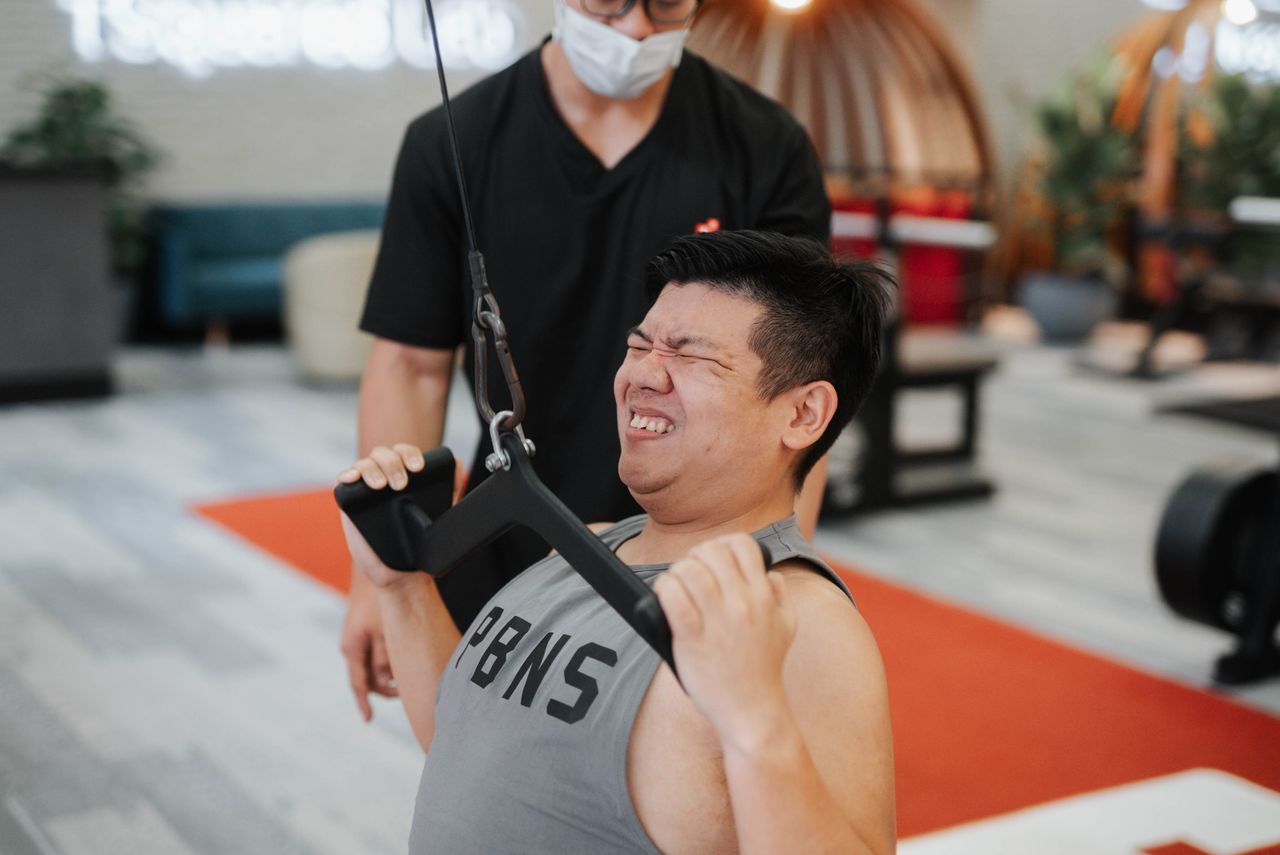
If you notice most of these, it's a good day for heavy lifting or a hard HIIT class.
Source: Pexels
Signs your body wants an easier day
On low-energy days it's usually more like this:
- You didn't sleep well, or didn't sleep enough
- Your muscles are still sore from a workout two days ago
- Your resting heart rate is higher than usual
- You feel tired and a bit irritable
- Your first working set feels heavier than it did last week
You can still exercise on days like that, but a slow-flow yoga class, an easy walk, or a relaxed swim would be options to choose from.
But if you’ve been feeling unusually drained for a few weeks, even though you’re sleeping well and have cut back on training, it’s a good idea to check in with your doctor and make sure there’s nothing medical going on.
How to find your own energy patterns
If you want to understand your patterns, build a habit of writing these things every morning for a couple of weeks:
- Your energy level on a scale from 1 to 10
- How many hours you slept
- What workout you did and how it went
It doesn't take long before you see some patterns. Maybe Tuesday is always a good day for you since Monday is a rest day. Or you go to bed late on Friday, and then your Saturday run is harder than it should be. A lot of women also find their energy goes up and down with their menstrual cycle.
If you own a fitness watch, you can also look at heart rate variability (HRV). It measures small changes in the time between your heartbeats, and a higher-than-usual reading usually means you've recovered well. Make sure to check the weekly trend as the numbers jump around from day to day. Rezerv's guide to tracking fitness progress has more ideas on what to track.
Plan your week around your energy
Once you have a few weeks of notes, it's much easier to plan your training. Say your notes keep pointing to Tuesday and Saturday as your strong days. That's where the heavy stuff goes, like strength training or that HIIT class you like. Mondays and Thursdays then get Pilates or a slow ride on the bike.
Of course, plans don't always work out. If you only slept four hours on Monday night, just swap Tuesday's workout with Thursday's.
Start with tomorrow morning
Before you pick up your phone, rate how you feel and write it next to that day's workout.
And after a month or so you’ll have a pretty good idea of what your good days look like. Then you can schedule your hardest workouts for those days and save the easier ones for when your energy is lower. Many people find they make more progress this way, with fewer hard sessions and less burnout.
For more workout ideas and training tips, browse our Rezerv blog.