Fitness industry trends in 2026
Explore key fitness industry trends shaping how people work out today. Understand shifting workout habits and trends influencing gyms and fitness studios.
If you run a gym or studio, you’ve probably noticed it already, members don’t work out like they used to. Their schedules are different, their expectations are higher, and they’re way more selective about where they spend their money.
That’s why keeping up with fitness industry trends isn’t just “nice to know.” It’s how you stay relevant, keep members coming back, and build a business that doesn’t rely on luck.
Over the past decade, fitness has shifted from “just exercise” into something bigger. People want community, convenience, low-pressure environments, and workouts that actually fit real life.
They also care more about recovery, longevity, and measurable progress. And these changes affect everything on your end, from class demand and peak hours, to pricing, retention, and how you structure your offers.
The key is knowing which trends are just short-term hype, and which ones are shaping the industry long-term. Because once you spot the patterns, you can make smarter decisions faster, and adjust your business before attendance drops or members start looking elsewhere.
.jpg)
Source: Pexels
What are fitness industry trends?
If you’ve ever caught yourself thinking, “Wait… why is everyone suddenly obsessed with Pilates?” or “Since when did recovery become a whole business?” Congrats, you’ve already noticed fitness industry trends in action.
At a simple level, fitness industry trends are the patterns that show how people’s workout habits are changing over time, and how the fitness market evolves to match those habits. It’s not just about what workout is “popular.” It’s about what people consistently choose, pay for, and stick with.
And from an industry perspective, trends aren’t random. They’re signals.
They tell you what members are starting to expect as the new normal.
They tell you what people are tired of.
They tell you what’s becoming the “bare minimum” to stay competitive.
Why gym owners should care (and not just fitness creators)
Here’s the important part: fitness industry trends affect business operations, not just workout styles.
A new trend can change:
- What classes fill up (and which ones flop)
- How members choose memberships
- What equipment people expect you to have
- What type of instructors they trust
- How often they attend
- How long they stay loyal
For example, if your audience is shifting toward low-impact training but your schedule is still packed with high-intensity workouts every night… your class attendance might slowly drop, even if your instructors are great.
Or if members now expect online booking, progress tracking, or beginner-friendly programs, and you don’t have those systems in place, they may leave for a competitor that feels easier.
So yeah, trends might look like “new workout styles” from the outside.
But in reality, fitness industry trends are business signals.
And the faster you spot them, the easier it is to adjust your offerings, keep members engaged, and grow without constantly scrambling to catch up.
Next we’re talked about all of the 2026 fitness industry trends:
Source: Pexels
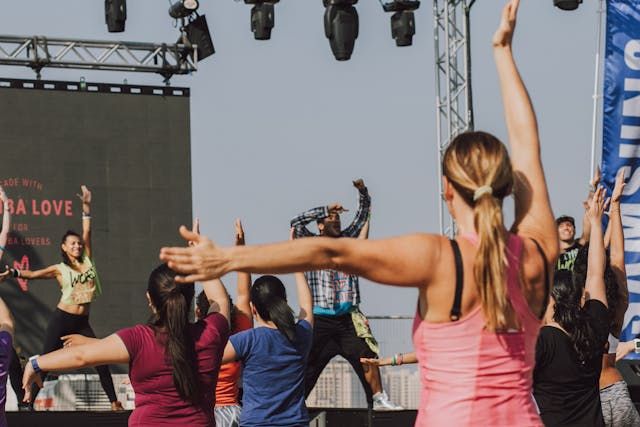
1. Shift toward group fitness and community-based workouts
If there’s one trend that keeps showing up (and paying off), it’s this: people are choosing workouts that come with a built-in community.
Because today’s members aren’t just chasing “a good sweat.” They’re chasing momentum. And group workouts make it easier to stay consistent when motivation disappears after Day 3.
What’s happening right now
Group-based training is having a serious moment again, and it’s not limited to boutique studios.
In the latest U.S. consumer data, small-group training hit historic highs, with 32.3% of members participating in small-group training in 2024. Personal training also remained strong at 22.6%.
Translation: more people want coaching, structure, and accountability, but they also want the energy of training with others.
And brands that feel like a community, not just a facility, are winning. Boutique fitness platforms are openly calling it part of the “belonging economy,” where people stay because they feel seen and connected.
Why group workouts are pulling people in
Here’s what’s driving the shift:
1) People want motivation that doesn’t rely on willpower
When someone books a class with friends (or even familiar faces), skipping feels harder. Group fitness creates “social accountability” without forcing anyone to be intense about it.
2) Members crave connection (even if they won’t admit it)
Remote work, screen fatigue, and overall burnout have made community a real selling point. A gym can become someone’s favorite third place: not home, not work, but the place where they feel like themselves again.
3) Group formats feel more worth the money
Let’s be honest, a treadmill is a treadmill. But a class with an instructor, music, pacing, and an actual vibe feels like a full experience. That experience makes pricing easier to justify.
Why this trend is gold for retention
From an operator perspective, group fitness isn’t just “nice to have.” It’s a retention engine.
Les Mills has published multiple research insights around the growth of group workouts and how operators can use them to boost the bottom line.
And it makes sense: group training builds routine, and routine is what keeps people paying month after month.
What this means for gym owners and studio operators
If you want to ride this trend (and keep members longer), focus on these shifts:
- Community is now part of the product, not a bonus
- Classes are no longer just programming, they’re a retention strategy
- Coaches matter more than ever because they set the tone and culture
- People want shared experiences, not another solo grind
.jpg)
Source: Pexels
2. Growth of low-impact and sustainable workouts
If your members used to chase “no pain, no gain” energy… a lot of them are officially over it.
One of the biggest trends right now is the rise of low-impact, joint-friendly, sustainable workouts that people can actually stick to long-term.
Think: Pilates, yoga, mobility, functional training, balance + core, walking-based conditioning, and strength training that feels smart (not punishing).
What “low-impact and sustainable” really means
Low-impact doesn’t mean “easy.” It means workouts that:
- Reduce stress on joints (knees, hips, lower back)
- Build strength + control over time
- Improve movement quality (so people feel better in daily life)
- Support consistency (because people can come back tomorrow)
This is a huge deal because consistency is what drives retention.
Proof this trend is real
ACSM’s Top Fitness Trends for 2026 includes Balance, Flow and Core Strength as a top-5 trend, along with Fitness Programs for Older Adults staying near the top. That’s a clear signal the market is leaning toward training that supports longevity and sustainability.
Also… Pilates is booming. SFIA participation data shows Pilates grew nearly 40% from 2019 to 2025, going from 9.2 million to 12.9 million participants.
Why low-impact workouts are growing so fast
Here’s what’s pushing this shift:
1) People want results without breaking their body
Members still want to get strong and look good, but they also want to feel okay the next day. They’re choosing training styles that feel sustainable.
2) Longevity fitness is becoming mainstream
More people care about staying mobile, pain-free, and functional, especially as they hit their 30s, 40s, and beyond. Even Axios has highlighted the shift from high-intensity programs toward low-impact, longevity-focused training.
3) “Recovery” is now part of the workout plan
Stretching, mobility, restorative sessions, and lighter training days are no longer seen as optional. People want a routine that supports energy, stress management, and consistency.
What this means for gym owners and studio operators
This trend affects your business in a few direct ways:
Your beginner audience is bigger than you think
Low-impact formats attract people who feel intimidated by high-intensity training, people returning after long breaks, and members recovering from injury.
Retention becomes easier when workouts feel “repeatable”
When members don’t feel destroyed after every session, they show up more often.
You can expand revenue streams
Low-impact doesn’t just mean group classes. It opens doors for:
- Small-group training
- Intro programs
- Mobility workshops
- Pilates-style add-ons
- Strength + alignment coaching
Source: Pexels
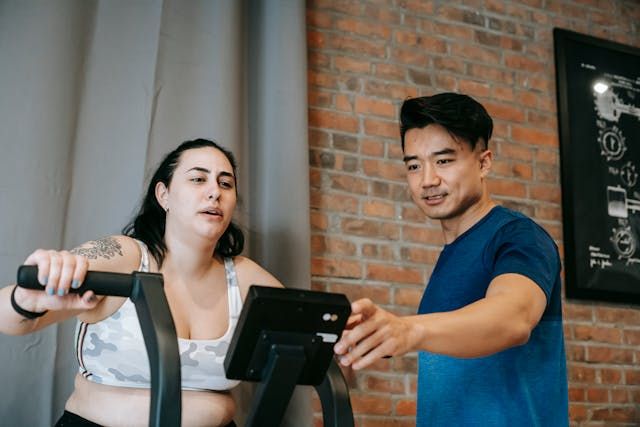
3. Personalization becomes a key fitness trend
If your gym experience still feels like “same workout for everyone, good luck,” you’re going to feel the gap fast.
Because one of the biggest fitness industry trends right now is this: members expect fitness to feel personalized. Not in a luxury way. In a “this actually fits my body, my goals, and my schedule” way.
What personalization looks like in real life
Personalization can mean:
- A beginner getting a clear “Start Here” path instead of guessing
- A busy member getting 30-minute class options that still help them progress
- Someone with tight hips getting mobility programming built into strength days
- Clients getting progress check-ins that make them feel like, “Okay, this is working.”
And yes, tech is making this easier. ACSM notes that biofeedback + wearable technology can help exercise professionals create more tailored, responsive training experiences.
Why members are craving personalized fitness now
1) They’re tired of generic advice
People have tried “random workouts from the internet.” Many want structure that feels like it was built for them.
2) They want progress they can see
Wearables, tracking, and simple milestones make training feel more motivating (and less like guessing).
3) Wellness is becoming a daily practice, not an occasional thing
McKinsey highlights that for Millennials and Gen Z, wellness is increasingly daily and personalized. So the “one-size-fits-all gym model” feels outdated to them.
Why this trend matters for retention
Personalization makes members feel:
- Supported (instead of left on their own)
- Confident (instead of intimidated)
- Clear on what to do next (instead of falling off after 2 weeks)
And operators are investing more into tech + systems to meet those expectations.
4. Rise of mind-body and mental wellness fitness
One of the biggest trends right now is how workouts are becoming less “go hard or go home” and more feel-good, long-term, and nervous-system-friendly.
And no, this isn’t just a boutique studio thing anymore.
ACSM’s Top Fitness Trends for 2026 ranks Balance, Flow, and Core Strength in the top 5, calling out the growing demand for movement that blends physical results with mind-body benefits.
For gym owners and studio operators, this matters because mind-body classes aren’t just “extra schedule fillers.” They’re becoming a core reason people join, stay consistent, and keep paying.
Yoga, mobility, and stretch-based workouts
Yoga has been climbing steadily for years, and the numbers back it up. Yoga Alliance reported 38.4 million Americans practiced yoga in 2022, up from 36.7 million in 2016.
But what’s really interesting is how the category is expanding beyond traditional yoga.
More brands are now offering mobility-only and stretch-focused sessions for people who want to move better without needing the full meditation vibe. Women’s Health also highlighted how stretch and mobility classes are becoming more mainstream, with big names adding them into schedules.
Why this is growing so fast:
- People sit more, feel stiffer, and want relief (especially hips, back, shoulders)
- Members want workouts that support recovery and reduce injury risk
- Mobility feels approachable for beginners and older adults
- Stretch classes attract people who are intimidated by “hardcore” formats
What this means for your business:
- Mobility and yoga-style classes can pull in brand-new audiences (beginners, stressed professionals, “I’m trying to get back into it” members)
- These formats make your schedule feel more balanced, which helps consistency
- They’re retention-friendly because members don’t feel destroyed after class
Exercise for mental health
A huge reason mind-body fitness is rising is simple: members are using workouts to manage stress and protect their mental health, not just to burn calories.
A major BMJ study (systematic review and network meta-analysis) found exercise is an effective treatment for depression, with walking/jogging, yoga, and strength training showing strong results.
Other research also shows aerobic, resistance, and mixed exercise can reduce symptoms of depression and anxiety.
So when people say “I’m coming to class for my mental health”… they’re not being dramatic. That’s a real motivation driver now.
What this means for gyms and studios:
- The “member goals” conversation is shifting
- More people want: better mood, less stress, better sleep, emotional regulation
- Your calm, supportive formats become a competitive advantage
- Community + coaching becomes even more valuable (it helps people keep showing)
5. Flexible workout schedules and on-demand fitness
If your members keep saying “I’ll come next week”… and then disappear for 3 weeks, this trend explains why.
One of the biggest fitness industry trends right now is simple: people still want to work out, but they want it on their terms. That means flexible schedules, shorter formats, and access beyond your studio opening hours.
And honestly? It makes total sense. Life is busy. Work is unpredictable. Motivation is fragile. So workouts that feel “easy to fit in” win.
What’s changing (and what members expect now)
1) Flexible schedules are becoming non-negotiable
Especially for younger members. In The Gym Group’s Gen Z Fitness Pulse Report, 52% of Gen Z said flexible hours already help (or would help) them stay active.
So if your schedule is only “before work” and “after work,” you’re competing with… literally everything else in their day.
2) On-demand workouts are officially the new safety net
2025 State of the Industry Report highlights that on-demand sessions are growing because studios aren’t open 24/7. One example they share: Burn Boot Camp saw month-over-month growth in on-demand sessions after launching in October 2023.
Translation: members still want your coaching and your programming, even when they can’t make the class time.
3) Mobile apps are part of the “new normal” fitness experience
In ACSM’s Top Fitness Trends for 2026, Mobile Exercise Apps rank in the top 5, showing that fitness is increasingly supported by digital access and mobile-first habits.
Why this trend is growing so fast
Here’s what’s driving it:
- People want workouts that fit into real life, not the other way around
- Shorter sessions feel more doable, especially for consistency
- Members want options so they don’t feel like they “failed” when they miss a class
- Digital access adds convenience, which makes the membership feel more valuable
6. Functional fitness for everyday life
If you’ve noticed more members asking for workouts that help them “feel stronger in real life,” you’re not imagining things. One of the biggest trends right now is the rise of functional fitness: training that improves how people move, lift, carry, and stay injury-free in everyday situations.
And this trend has real staying power. In ACSM’s 2026 trends data, Functional Fitness Training ranks #10, and it has appeared in the Top 20 every year since 2007, which is basically the fitness industry’s way of saying: “Yep, this one’s here to stay.”
What functional fitness actually means
Functional fitness is training built around real-life movement patterns, not isolated muscles.
Instead of only doing “leg day” machines, functional training focuses on motions people do all the time, like:
- Squatting down and standing up
- Lifting and carrying (groceries, luggage, kids)
- Bending, hinging, twisting
- Pushing and pulling
- Climbing stairs or moving more confidently overall
That’s why so many mainstream gym brands describe functional training as strength training that supports day-to-day activities, like bending, lifting, pushing, and pulling.
Why members love functional workouts right now
Functional fitness is booming for one big reason: it feels useful.
Members are getting more intentional about training that helps them:
- Move better without aches and pains
- Improve strength without feeling wrecked
- Stay consistent because it feels “doable”
- Build confidence doing everyday things
And it’s not just one age group driving this. The industry is seeing broader demand for strength, balance, and recovery-focused experiences overall. The Health & Fitness Association (HFA) recently shared that strength, recovery, and balance are shaping participation trends across gyms and studios.
Also, functional fitness fits perfectly into the bigger shift toward longevity-focused workouts. ACSM notes that demand for age-appropriate training is rising as the population ages, and older adults are a major growth group in fitness participation.
Functional training supports that audience naturally because it’s practical, scalable, and confidence-building.
The “functional fitness” boom isn’t only inside the gym
This trend is also showing up in the event world, which helps make it feel exciting and social.
For example, Hyrox (a global fitness race built on running + functional workout stations like carries and sled work) has grown fast, with Time reporting over 260,000 participants expected in 2024 across dozens of events worldwide.
Even members who never plan to compete still love training in a way that feels like “I’m getting stronger for something.”
What functional fitness means for gym owners and studio operators
Functional fitness isn’t a single class type. It’s a programming mindset.
If you run a gym or studio, this trend can help you:
- Attract beginners who want strength but feel intimidated
- Keep members longer because progress feels practical
- Build stronger group training formats
- Create premium add-ons (small group coaching, functional strength programs)
And it can also influence how members judge your facility. A functional training zone, space for carries, free weights, and movement-based training immediately signals: “This gym is modern and performance-ready.”
(Some industry research even notes functional training zones are widely adopted globally, showing up as a common facility investment.)
7. Inclusivity and accessibility in fitness
Here’s a reality gyms and studios can’t ignore anymore: your future members don’t all look, move, train, or start at the same “fitness level.” And the businesses that grow fastest are the ones that design for real people, not the highlight reel.
This is why inclusivity and accessibility have become a major part of today’s fitness industry trends. People want spaces where they feel safe to start, safe to come back, and safe to be themselves, without needing to “earn” belonging first.
Why this trend is growing so fast (and why it matters commercially)
A bigger range of people are actively trying to get healthier, including older adults and people managing physical limitations.
- ACSM’s Top Fitness Trends for 2026 ranks Fitness Programs for Older Adults as the #2 trend, which is a loud signal that the “active aging” market is only getting bigger.
- The CDC reports more than 1 in 4 U.S. adults ages 18–64 has a disability, and adults with disabilities are three times more likely to have serious chronic conditions like heart disease, stroke, diabetes, or cancer.
So inclusivity is not a “nice brand value.” It’s literally how you expand your addressable market and keep more people training consistently.
What “inclusive fitness” actually looks like in practice
This isn’t about doing one “special class” and calling it a day.
Accessibility shows up in the small things that decide if someone returns, like:
- Are beginners celebrated or silently judged?
- Do coaches give modifications like it’s normal (not like it’s embarrassing)?
- Can someone with limited mobility move through your space comfortably?
- Does your pricing model allow people to join without feeling trapped?
It also includes adaptive programming. The HFA Foundation has resources focused on expanding inclusion, including strategies for welcoming people with intellectual disabilities into the fitness community.
What this means for gym owners and studio operators
When you improve inclusivity, you usually improve retention too, because accessibility supports consistency.
- Beginners stop dropping off after week 1
- Members feel less intimidated, so they show up more
- People who need modifications don’t feel singled out
- Your community vibe gets stronger (and referrals go up)
8. Outdoor and lifestyle fitness trends
If you run a gym or studio, you’ve probably noticed this shift: people still love structured workouts… but they’re also taking fitness outside.
Not just for the aesthetics (yes, sunrise photos help 😂), but because outdoor workouts feel more fun, more social, and more like a lifestyle instead of a chore.
And this isn’t a small niche trend either. Outdoor participation keeps hitting record levels. The Outdoor Industry Association reported 175.8 million Americans participated in outdoor recreation in 2023, which is 57.3% of the U.S. population, and the base grew 4.1% year-over-year.
What’s driving the outdoor fitness shift?
1) People want movement that doesn’t feel like “gym homework”
A hike, a run club, a beach workout, or pickleball with friends feels more like “living” than “training.”
2) Social fitness is exploding outside the gym
Strava’s 2024 trend report literally calls out run clubs becoming social hotspots, showing how community is pulling people into outdoor fitness routines.
3) Adult recreation and sport clubs are trending hard
ACSM lists Adult Recreation and Sport Clubs as a 2026 trend, reflecting growing interest in activities that mix fitness, fun, flexibility, and social connection.
And yes, this includes things like pickleball, social run clubs, hiking groups, and rec leagues.
The “lifestyle fitness” effect (and why it matters for your business)
Outdoor fitness trends change what members expect from gyms and studios.
A lot of people now want:
- A place that helps them train for life (not just look good)
- A community they can move with, inside and outside the facility
- Variety that keeps fitness exciting year-round
So instead of competing with the outdoors, smart operators use outdoor fitness as part of the retention strategy.
What types of outdoor fitness are growing?
1) Run clubs and social cardio
Run clubs are not just for serious runners anymore. They’ve become a social ritual, and Strava’s trend report highlights this global shift toward community-driven cardio.
Operator opportunity: even if you don’t run a “running gym,” you can still win here with:
- Weekly “easy pace” run/walk clubs
- Post-run stretching sessions
- Strength classes designed for runners
2) Pickleball, rec sports, and “fitness that feels like play”
Pickleball demand is still strong, and SFIA continues to report major participation growth and regional increases in recent years.
Operator opportunity: sports = community + repeat attendance.
This can look like:
- Beginner pickleball clinics
- Court booking partnerships
- Strength + mobility classes built for racquet sport players
3) Hiking, walking, and casual outdoor movement
The Outdoor Participation Trends data shows growth driven by new and casual participants entering activities like hiking and running.
Operator opportunity: not everyone wants HIIT. Some people want a routine they can sustain.
You can meet them with:
- Walking challenges
- “mobility for hikers” classes
- Weekend outdoor meetups
Which fitness industry trends are likely to last?
The fitness industry loves a “new hot thing.”
But if you’re running a gym or studio, you can’t rebuild your schedule every time TikTok discovers a new workout.
So here’s the real question:
Which fitness industry trends are actually built to last (and worth investing in)?
A quick way to spot a “sticky” trend
A trend usually lasts when it checks at least 2–3 of these boxes:
- It shows up year after year in industry forecasting (not a one-time spike)
- It solves a real-life problem (time, stress, joint pain, motivation)
- It’s driven by long-term forces (aging population, tech habits, lifestyle changes)
- Big companies are investing in it (meaning money is moving there)
The simplest “trend-proof” strategy for 2026+
If you want to invest in the safest long-term moves, build around these pillars:
- Strength + functional movement
- Recovery + mind-body support
- Community-based training
- Flexibility (hybrid + on-demand options)
- Data and personalization (wearables + apps + smart communication)
FAQs
1) What are fitness industry trends?
Fitness industry trends are long-term shifts in how people exercise, what they pay for, and what keeps them consistent, like low-impact workouts, wearables, and flexible schedules.
2) What are the biggest fitness industry trends right now?
ACSM’s Top Fitness Trends for 2026 highlights wearable technology, fitness programs for older adults, mobile exercise apps, and balance/flow/core training as major trends.
3) Are group fitness classes still popular?
Yes. Group workouts keep growing because members want community, motivation, and accountability built into their routine.
4) Why are low-impact workouts trending?
People want sustainable results without joint pain or burnout, so formats like Pilates, mobility, and strength-for-longevity are becoming more in-demand.
5) Why is wearable tech such a big fitness trend?
Wearables help people track progress (steps, heart rate, recovery), which makes workouts feel more rewarding and easier to stick with.
6) Is on-demand fitness still relevant?
Yes, on-demand works like a “backup plan” for busy members, and many businesses are adapting using tech and new retention strategies.
7) Why is inclusivity and accessibility a major trend?
Because more people need fitness spaces that feel safe and doable. The CDC reports more than 1 in 4 U.S. adults (28.7%) have a disability.
8) Is outdoor fitness a real trend or just seasonal?
It’s real. Outdoor participation hit 175.8 million Americans (57.3% of the U.S.) in 2023, and it keeps growing.
9) What fitness trends help improve member retention?
Trends that keep people paying month after month usually share one thing: they make consistency easier. The most retention-friendly trends include:
- Community-based workouts (people return for the vibe)
- Low-impact options (less injury, more repeat visits)
- Personalization (members feel seen)
- Flexible schedules + on-demand access (less all-or-nothing dropout)
- Progress tracking (members can see improvement)
