Gym safety tips: 20 Ways to work out safely
Follow these 20 gym safety tips to prevent injuries, use equipment correctly, improve workout habits, and create a safer training environment.
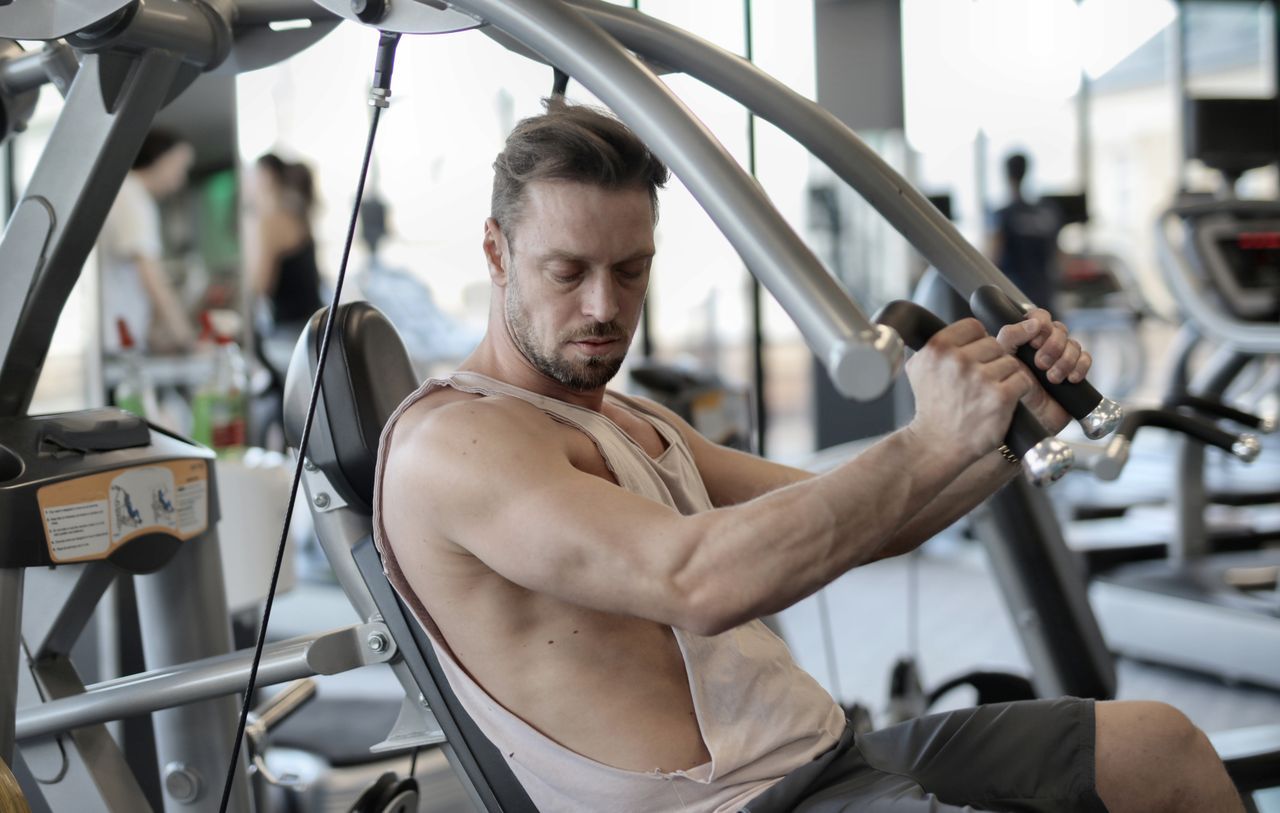
Source: Andrea Piacquadio on Pexels
Most of us go to the gym to feel stronger, sleep better, or finally hit that squat number we’ve been chasing for months. Getting hurt is the last thing on your mind when you’re loading the bar or stepping onto the treadmill after a long day at work. But if you’ve ever felt a twinge in your lower back halfway through a set of deadlifts and pushed on anyway, you’ll know how quickly a good session can turn into a week on the sofa.
Gym injuries happen more often than most people think. According to the National Safety Council, exercise and exercise equipment were linked to an estimated 564,845 emergency department visits in the US in 2024, up 17% from the year before. That puts exercise at the top of every sports and recreation activity the NSC tracks, ahead of cycling and basketball. Those numbers only count trips to A&E, so all the pulled muscles and sore shoulders people treat at home with ice packs and rest days never make it into the data.
Most of these injuries come from things you can control. Lifting more than your body is ready for, skipping the warm-up, letting your form slip on the last few reps, or hopping off a treadmill while the belt is still moving are all common culprits. Experienced lifters get caught out too, often because years of training make it easy to stop paying attention to the basics.
In this guide, we’ll walk you through 20 gym safety tips that cover every stage of your workout, from what to do before you arrive to how you recover afterwards. Some will feel obvious, like wiping down equipment after you use it. Others, like knowing how to safely bail out of a failed squat, could save you from a serious injury the first time a lift goes wrong. Pick a few to try in your next session and build from there.
Before you train
1. Get a health check if you need one
Most people can start exercising without seeing a doctor first. Some people should check in before they do, though. If you have a heart condition or high blood pressure, get chest pain or dizzy spells, are pregnant, or are coming back from surgery or a long break, a quick chat with your GP is time well spent.
Not sure which group you fall into? Try the PAR-Q+ (Physical Activity Readiness Questionnaire for Everyone). It’s a free, evidence-based screening form that asks seven simple yes or no questions about your health. Answer yes to any of them and the form will point you towards a doctor or qualified exercise professional before you ramp up your training.
Plenty of gyms and studios ask you to fill in a similar health form when you sign up. Answer it honestly. Those forms help your coaches spot when you need a modified exercise or a lighter start.
2. Ask for a gym induction
Every gym has its own layout, equipment, and house rules. Even if you’ve trained for years, the leg press at your new gym might adjust differently from the one you’re used to, and the cable machines might come from a brand you’ve never touched.
Most gyms offer a free induction for new members. A staff member will show you around, explain how to set seat heights and weight pins, and point out where the first aid kit lives. If nobody offers one, ask at the front desk. Staff would much rather spend ten minutes showing you how a machine works than deal with an injury later.
New to group classes? A beginner session or trial class is a good way to learn the basics with a coach watching your form. Our guide on CrossFit open gym vs. classes [internal link] covers how to choose the right starting point.
3. Wear the right clothing and shoes
Your shoes matter more than you might think. Cushioned trainers work well for running and cardio machines because they absorb impact. For heavy squats and deadlifts, flat and firm soles keep you more stable under the bar, since thick foam can compress and shift your balance.
Clothing should let you move freely without getting in the way. Baggy joggers, long drawstrings, and loose hoodie cords can get caught in treadmill belts, rowing machines, and cable pulleys. Leave rings, bracelets, and hoop earrings in your locker too. A ring pinched between your finger and a barbell is a painful way to end a session.
4. Eat and hydrate before your session
Training on an empty stomach can leave you light-headed halfway through a set, and that’s exactly when accidents happen. Dietitians generally recommend eating 1 to 4 hours before you exercise. Have a full meal on the earlier end of that window, or a small snack closer to your session. A banana, a slice of toast with peanut butter, or a pot of yoghurt with fruit all do the job.
Water matters just as much. The American Council on Exercise suggests drinking around 500 to 600ml of water two to three hours before you train, then sipping regularly throughout your workout. If you feel dizzy, get a headache, or start cramping mid-session, stop, sit down, and drink some water before you carry on.
5. Warm up properly
Cold muscles and stiff joints are more likely to get strained, so give your body a few minutes to get ready. A 2025 review on dynamic warm-ups found they work best when done just before training and last at least 7 to 10 minutes.
A simple routine looks like this:
- 3 to 5 minutes of light cardio: a brisk walk on the treadmill, an easy row, or a few minutes on the bike
- Dynamic movements: leg swings, arm circles, walking lunges, hip openers, and bodyweight squats
- Ramp-up sets: lighter versions of your main lift before your working sets
Say you’re squatting 60kg today. Start with the empty bar, then do a set at 30kg and another at 45kg before moving on to 60kg. Each set prepares your muscles and lets you check your form while the weight is still easy.
What about static stretching, where you hold a stretch in place? Long holds right before heavy lifting can temporarily reduce your strength and power. According to a review in Sports Medicine, short holds of 60 seconds or less per muscle group cause minimal problems when they’re part of a full warm-up. Save longer stretches for your cool-down.
While you train
This is where most gym injuries happen. A study of fitness facility injuries in Victoria, Australia found that overexertion and strenuous movements caused 36.2% of injuries with a known cause, followed by weights being dropped or falling onto people at 16.3%. The next nine tips help you push hard while keeping both of those risks in check.
6. Learn the movement before adding weight
Good form protects your joints and gets the right muscles doing the work. Poor form shifts the load onto places that can’t handle it, like your lower back during a rounded deadlift or your shoulders during a flared bench press.
Practise new exercises with your bodyweight, a broomstick, or an empty bar until the movement feels smooth. Film a set on your phone and compare it with a demo from a qualified coach. If something looks off, ask a trainer to watch a few reps. Most will happily give you a quick cue or two.
The last few reps of a set deserve extra attention. That’s when fatigue sets in and technique tends to slip. If your form starts breaking down, end the set there.
7. Progress gradually
Your muscles adapt faster than your tendons and ligaments, so piling on weight too quickly is a common route to injury. Small, steady jumps work best. Many coaches add around 2.5kg to upper body lifts and 5kg to lower body lifts once you can complete all your planned reps with good form.
The same goes for new routines. US emergency departments see a sharp rise in fitness injuries every January, and it usually continues into March as people return to training after easing off over the holidays. Coming back after a break? Start lighter than you think you need to, and build up over a few weeks.
You also don’t have to train to failure every session. Finishing most sets with one to three reps left in the tank still builds strength and keeps fatigue under control.
8. Use a spotter for heavy lifts
A spotter is your backup when a rep goes wrong. According to the National Strength and Conditioning Association, you should have a spotter for free-weight exercises where the weight travels over your head or face, or sits across your back or shoulders. Think bench press, overhead press, and back squats.
Brief your spotter before you start. Tell them how many reps you’re aiming for, whether you want help with the lift-off, and when they should step in. A good spotter gives you just enough help to finish the rep without taking over the whole lift.
Training alone? A gym staff member or the person on the next bench is usually happy to help for a set. Just ask.
9. Use collars, clips, and safety bars
Collars stop plates from sliding off the bar when it tilts, which happens more easily than you’d expect during a wobbly rep. Clip them on every time you load a barbell.
In a squat rack or power cage, set the safety bars or straps just below the lowest point of your movement. For squats, that’s slightly below the bar’s position at the bottom of your rep. For bench press inside a rack, set them just below your chest. If you miss a rep, the safeties catch the bar before it catches you.
The same habit applies to dumbbells. In the Victorian study, 78.4% of dumbbell injuries came from weights falling or being dropped on people. Pick them up and put them down with control, and keep your feet clear.
10. Know how to fail a lift safely
Every lifter misses a rep eventually. Knowing what to do when it happens keeps a failed lift from turning into an injury.
For a squat, the standard bail is to push your hips forward and let the bar slide off your back onto the safety bars behind you, while you step forward and out of the way. For bench press, lower the bar to your chest and let the safeties take the weight, then slide out from underneath. Practise both with an empty bar so the movement feels familiar when you actually need it.
Avoid benching heavy alone on a flat bench with no safeties or spotter. If you get stuck there, you have very few good options.
11. Use the treadmill safely
Treadmills look harmless, but they made up 9.0% of all fitness injuries in the Victorian study, and 70.7% of those treadmill injuries were falls.
A few habits make a big difference:
- Clip on the safety key. If you trip or drift too far back, it pulls out and stops the belt.
- Start slowly. Stand on the side rails, start the belt at a walking pace, then step on.
- Look ahead. Glancing down at your phone or turning around to chat throws off your balance.
- Stop the belt before you step off. Jumping off a moving belt is one of the easiest ways to fall.
Keep the space behind the treadmill clear of bags and equipment too, so you have somewhere safe to land if you do slip.
12. Breathe with control
Breathing affects your stability, your energy, and your blood pressure. For most exercises, a simple pattern works well: breathe out during the hardest part of the movement, like pushing the bar up, and breathe in as you lower it back down.
For heavy compound lifts, many lifters take a big breath and brace their core before each rep. This technique, known as the Valsalva manoeuvre, helps stabilise your spine. It also causes a temporary spike in blood pressure. Harvard Health notes these spikes are more pronounced when you hold your breath and strain during a lift. If you have high blood pressure, a heart condition, or are pregnant, check with your doctor before using breath-holding techniques.
13. Tell your coach or instructor about injuries
Group classes come with their own risks. They made up 15.9% of fitness injuries in the Victorian study, with falls and awkward landings the most common causes. Fast transitions, jumping movements, and a room full of people moving at different speeds all add up.
Before class starts, give your instructor a quick heads-up about any injuries, recent surgery, or pregnancy. A good coach will offer modifications, like step-ups in place of box jumps or a lighter kettlebell for swings. Many studios also ask you to complete a health form or waiver when you book your first class. Fill it in properly so your coach has the full picture.
Same goes for personal training. Your PT can only programme around an old knee injury if they know about it.
14. Listen to your body
Some discomfort is part of training. Burning muscles during a set and soreness a day or two later are normal signs of hard work.
Sharp, sudden, or joint pain is different. So is pain that gets worse as you keep going, or a “pop” during a lift. Stop the exercise straight away and don’t try to push through it. Rest, and get it checked by a physio or doctor if it doesn’t settle.
Some symptoms need immediate attention. If you feel chest pain, severe dizziness, or shortness of breath that’s far beyond what your effort level should cause, stop exercising and get help from gym staff or call emergency services.
During the workout
Your own workout is only half the picture. A busy gym floor is full of people, moving equipment, and weights that don’t always end up where they belong. These five habits keep the space safer for you and everyone training around you.
15. Re-rack your weights
We’ve all been there. You need the 20kg dumbbells, one is on the rack, and the other is hiding under a bench three rows away. Annoying, yes, but loose plates and dumbbells on the floor are also a genuine trip hazard, especially for someone walking backwards out of a squat rack or carrying weights in both hands.
Put everything back where you found it once you’re done. When you strip a barbell, take plates off one side at a time and alternate. Unloading one side completely can make the bar tip off the rack, and it lands with a surprising amount of force.
16. Give others space
Kettlebell swings, cable crossovers, and walking lunges all take up more room than you’d think. Before you walk past someone mid-set, check where their weight is moving and give them a wide berth. Standing right behind someone doing swings is a quick way to get clipped.
A few other courtesies help too. Avoid walking between a lifter and the mirror while they’re checking their form, and wait until someone finishes their set before asking how many sets they have left. If you train with headphones, keep the volume low enough to hear someone shout a warning.
17. Check equipment before using it
Gym equipment gets a lot of use, and wear and tear can creep up between maintenance checks. Take ten seconds to look things over before you start:
- Cable machines: frayed or kinked cables, loose clips
- Selector machines: pins that don’t lock fully into the weight stack
- Benches: wobbly legs, loose seat pads, or adjustment pins that slip
- Plates and dumbbells: cracks or loose heads
- Treadmills: a belt that slips, jerks, or sits off-centre
If something looks off, don’t work around it. Tell a staff member so they can take it out of use before it catches someone else out.
18. Keep it clean
Gyms are great places to build strength. They’re also great places for germs to spread.
Simple hygiene habits go a long way:
- Wipe down benches, mats, and handles before and after you use them
- Lay a towel between your skin and shared benches
- Keep your towel, water bottle, and razor to yourself
- Cover cuts and grazes with a clean plaster
- Wear flip-flops in shared showers to avoid athlete’s foot and verrucas
Got a skin infection or an open wound that won’t stay covered? Take a few days off. Your gym mates will thank you.
19. Know your emergency plan
Next time you’re at the gym, take a minute to spot three things: the first aid kit, the nearest emergency exit, and the AED (automated external defibrillator). It feels like overkill until you need one of them.
Training alone, early in the morning, or late at night? Tell a friend roughly when you’ll be back, keep your phone within reach, and leave your heaviest lifts for times when staff or other gym-goers are around. At a 24-hour gym, find out where the emergency button or help point is on your first visit.
For gym and studio owners: How to create a safer space
Running a gym or studio? Most of the tips above depend on your members, but the space you give them plays a big part too. Loose plates on the floor, a fraying cable nobody reported, or a new member jumping into a HIIT class with a dodgy knee are all things you can catch before they turn into injuries. The researchers behind the Victorian study made the same point, recommending that fitness facilities build risk management strategies around the most common causes of injury.
Safety also affects your bottom line. A member who gets hurt in your studio is unlikely to renew, and they’ll probably tell their friends why. Here’s where to focus.
Train your team for emergencies
Your coaches and front desk staff are the first people on the scene when something goes wrong. Make sure they’re trained in first aid and CPR, know where your first aid kit and AED are, and know exactly who calls emergency services and who stays with the member.
If you don’t have an AED yet, it’s worth the investment. The American Heart Association has called on fitness centres and other busy public spaces to keep AEDs as easy to find as fire extinguishers.
Give every new member a proper induction
First sessions set the tone. A quick walkthrough of your equipment, house rules, and emergency exits helps new members feel confident and gives your coaches a chance to spot anyone who needs extra guidance. For group classes, ask instructors to check in with new faces before class starts and offer modifications where needed.
Stay on top of maintenance and cleaning
Set up a regular schedule for checking cables, pins, benches, and treadmill belts, and keep a simple log so nothing slips through the cracks. Make it easy for members to report broken equipment too, and take faulty kit out of use straight away.
Cleaning matters just as much. The CDC recommends cleaning shared equipment after each use and repairing or replacing anything with damaged surfaces that can’t be cleaned properly. Keep wipes and spray stocked at every station so members have no excuse to skip it.
Make your house rules easy to follow
Clear, friendly signage near the racks and cardio machines does a lot of quiet work. Short reminders like “Re-rack your weights” and “Clip on your safety key” help members build good habits without your staff having to police the floor all day.
Collect waivers and health info before members train
Waivers and health questionnaires help your coaches understand who’s in the room and give your business a clear record that members acknowledged the risks of training. The tricky part is making sure every member actually signs one, especially on busy days when the front desk is juggling walk-ins and phone calls.
This is where your booking system can help. With Rezerv, you can set a waiver form as required for a class. If a member hasn’t signed it yet, your staff can’t add them to the booking until they do. Rezerv shows exactly which waiver is missing, so your team knows what to ask for. Members can also view their signed waiver and see when they last signed it, which saves everyone the back-and-forth over whether the paperwork is done.
_________________________________________________________________________
Frequently asked questions
What are the most common gym injuries?
Strains and sprains top the list, usually in the lower back, shoulders, and knees. Overexertion is the biggest cause. In the Victorian study, it accounted for 36.2% of gym injuries with a known cause, followed by weights falling or being dropped on people at 16.3%. Falls from treadmills and awkward landings in group classes also show up often.
What is the most important gym safety rule?
If you only remember one thing, lift a weight you can control with good form. Most gym injuries come from pushing too hard, too soon, or letting technique slip when you’re tired. Pair that with a proper warm-up and you’ve covered a big chunk of the risk.
Is it safe to work out alone at the gym?
Yes, for most workouts. Just take a few extra precautions. Set the safety bars in the rack for squats and bench press, avoid testing your max without a spotter, and keep your phone within reach. If you train early in the morning or late at night, let someone know roughly when you’ll be done.
Do I need a spotter for every exercise?
No. Spotters matter most for heavy free-weight lifts where the weight moves over your head or face, or sits across your back or shoulders, like the bench press, overhead press, and back squat. Machines, most dumbbell work, and lighter sets are generally fine on your own.
How do I know if I’m lifting too heavy?
Watch for these signs:
- Your form breaks down before you reach your target reps
- You can’t control the weight on the way down
- You need to swing, bounce, or jerk the weight to move it
- You feel pain in a joint during the lift
If any of these happen, drop the weight and rebuild from there. Finishing most sets with one to three reps left in the tank is a good rule of thumb.
Should I stretch before or after a workout?
Both, in different ways. Before your workout, stick to dynamic movements like leg swings, arm circles, and walking lunges to warm up your muscles. Save longer static stretches, where you hold a position for 20 to 30 seconds, for after your session when your muscles are already warm.
What should I do if I get injured at the gym?
Stop the exercise straight away and let a staff member know. For a minor strain, rest the area, apply ice wrapped in a cloth for 15 to 20 minutes at a time, and avoid training it until the pain settles. See a doctor or physio if you notice severe pain, heavy swelling, can’t put weight on the injured area, or the pain hasn’t improved after a few days. For chest pain, a head injury, or trouble breathing, call emergency services right away.