How small fitness businesses can run remotely without losing clients
If done right, running your fitness business remotely can save money, expand reach, and keep clients loyal, even when you’re not physically present.
Running a fitness business used to mean early mornings, loud playlists, and wiping down kettlebells between sessions. Now? It can also be Zoom calls, online programs, and coaching clients from your kitchen table.
Running your small fitness business doesn’t have to be distant. And it definitely doesn’t have to be losing clients.
If done right, running your company remotely can save money, expand reach, and keep clients loyal, even when you’re not physically present.
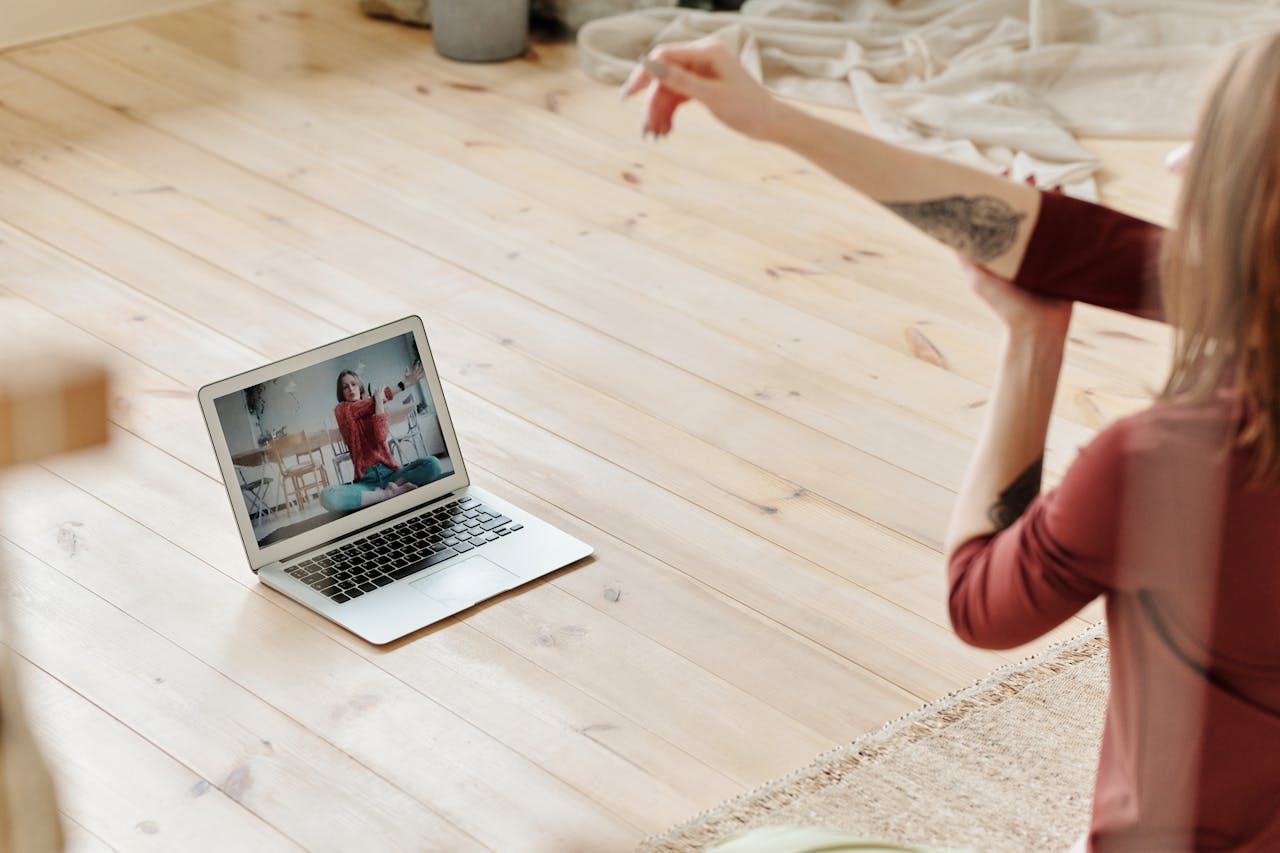
The shift is already happening
Virtual fitness isn’t a trend. It’s a lane.
The online personal training industry has grown and expanded as clients look for flexibility and convenience.
Clients want workouts that fit their lives. Not traffic. Not parking. Not awkward locker rooms. Smart owners adapt. Others complain about “how it used to be.” Which one are you?
Start with the right remote setup
No matter where you work from, your business needs structure.
A virtual office gives you a real business address, mail handling, and credibility without paying gym-level rent.
Take Delaware as an example. Gym culture in this state is a mix of specialized boutique fitness and community-focused independent gyms. Any fitness business with a Delaware virtual office is already starting on the right foot.
And as the pros say, perception is everything. Nevermind that clients may never visit you. They still want to know you’re legit.
And you can’t get more legit than virtual office services in Delaware and mail handling. Plus, The Farm Soho explains that you get access to co-working spaces and an on-site receptionist when tapping into this service.
Choose a business model that fits your needs
Remote fitness can look very different depending on your goals. Common online models include:
- One-on-one virtual coaching
- Group training via livestream
- Hybrid programs with check-ins
- On-demand workout libraries
There are at least several online fitness business models that work well when matched to the right audience.
Quick rule: If it’s hard to manage at scale, simplify early. Burnout isn’t a growth strategy.
Retention is the real game
Clients don’t leave because you’ve gone virtual. They leave because they feel ignored.
The Australian Institute of Fitness says that strong retention comes down to communication, accountability, and personal connection.
As a remote business, your job is to over-communicate. Not spam. Just care. Simple habits help:
- Weekly check-ins
- Personal feedback
- Progress tracking
- Quick replies
Silence kills subscriptions faster than bad squats.
Go hybrid if you need to
Some small fitness businesses blend in-person and remote services. This “transitional model” helps cushion disruptions and keeps revenue flowing.
A study published in the Journal of Small Business Strategy (JSBS) found that hybrid models helped small fitness businesses stay resilient during uncertain times.
You don’t have to go all-in overnight. Test. Adjust. Repeat. Fitness is about progress anyway.
Keep costs low
Running remotely cuts major expenses:
- Rent
- Utilities
- Equipment upkeep
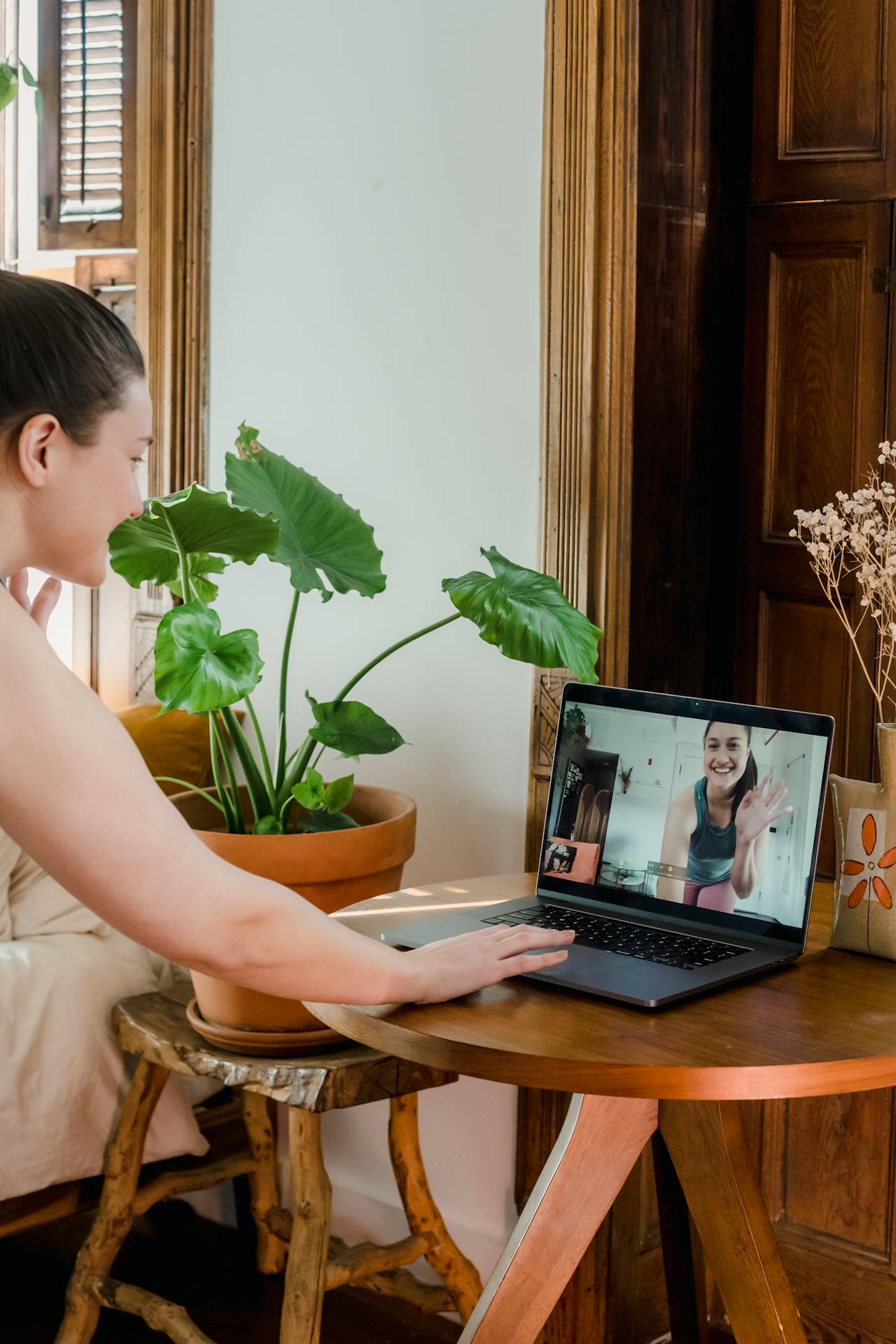
Many online business ideas can launch for under $50 with basic tools and smart planning. You don’t need fancy gear. And don’t forget that clients care about results, not your camera lens. Clear coaching beats shiny branding every single time.
Source: Pexels
Build systems before you get busy
Remote fitness businesses live and die by systems.
You’ll need:
- Scheduling tools
- Payment automation
- Workout delivery platforms
- Clear onboarding steps
Practical steps will help you start and manage an online coaching business without losing your mind. If everything lives in your head, growth will stop. And so will your patience.
Most fitness business owners use all-in-one fitness software like Rezerv to manage class schedules, handle bookings, accept payments, and engage members through automated marketing.
Communication is your superpower
Clients want to feel coached, not downloaded. So think of ways to stay visible, such as:
- Short voice notes
- Personalized video feedback
- Monthly goal reviews
- Community chats
Think less “content creator” and more “human coach.”
Remote ownership brings freedom if you let it
Some gym owners move remote to escape burnout. Others merely move their stress online.
Two-Brain Business talks about the mindset shift needed to succeed as a remote gym owner. Remote work works best when owners:
- Set boundaries
- Stop micromanaging
- Trust systems
- Focus on high-value tasks
You don’t need to be everywhere. You need to be effective.
A quick reality check
Running a business remotely isn’t easier; it’s different.
You trade cleaning floors for writing programs, front-desk chats for DMs, and long days for flexible ones.
Some days you’ll miss the buzz of a busy gym. Other days, you’ll coach clients from a beach chair. No regrets there.
Remote success comes down to clear systems, consistent communication, strong relationships, and smart business choices
Clients don’t care where you coach from. They care if it works. And if you show up, they will too.
FAQs: How can I successfully run a small fitness business remotely?
1. Can a small fitness business really run fully online?
Yes. Many do. With the right systems, communication, and client care, remote models can be as effective as in-person ones.
2. Will clients take online coaching seriously?
They already do. The online personal training market continues to grow as clients prioritize flexibility and results.
3. How do I keep clients accountable remotely?
Regular check-ins, clear goals, progress tracking, and fast feedback make a big difference.
4. Is it cheaper to run a fitness business remotely?
Usually, yes. Lower overhead costs and flexible tools make remote businesses more affordable to operate.
5. Should I switch completely or go hybrid?
That depends on your clients and lifestyle. Many owners start hybrid and shift fully remote over time.
Read next: Hybrid fitness is here: How to launch virtual and AI-personalized classes
