How to create gym programs for older adults: Strength, balance, and cardio
How to build a gym program for older adults, with strength exercises, balance drills, a sample beginner week, and safety tips for training at any age.
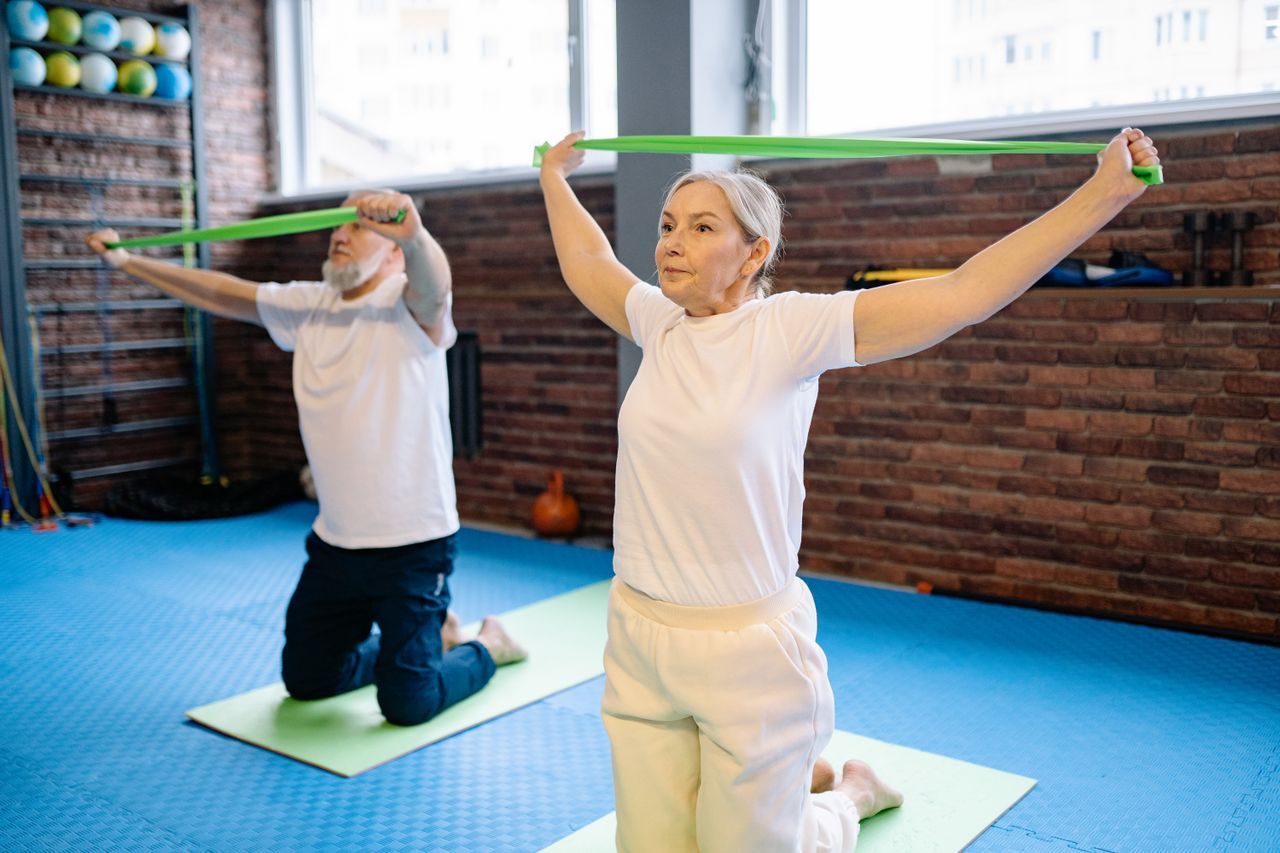
Source: Pexels
Take a member who’s 68 and can’t get up from a low couch without pushing off with both hands.
That’s not really an age thing, or at least not only. Something in particular has gone weak, and weak is a thing you can train.
Getting out of a chair, carrying the shopping home, staying upright when a foot catches, how well those go depends on a handful of things at once.
Strength is one. Then power, balance, mobility, and whatever cardio the person’s got.
Walking looks after the cardio and leaves the other four sitting there, and most of the time the member’s over on the treadmill putting in their half hour, never once crossing to where the rest of it gets done.
So you build for the person standing in front of you instead of the number on their intake form. Usually that means more strength than they turned up expecting, a bit more range in how they move, and a lean toward whatever their actual days are made of.
What changes with age
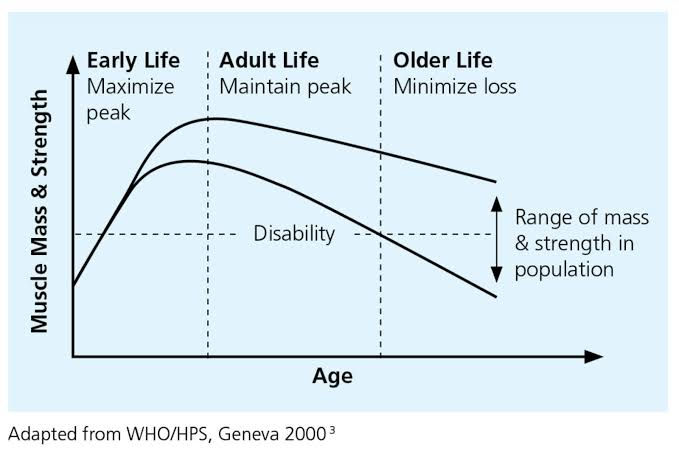
Strength, power, and balance decline with age. Inactivity speeds it up. Stairs start taking longer, the chair needs a push, and the weekly shop turns into something that needs a sit-down afterward.
Margaret is 71 and walks two miles every morning. Stamina's fine. She still needs both arms to get off a low sofa.
Why? Age is the lazy read. The real question is whether her strength, power, and balance kept pace with the years or slid while the walking held steady. Her endurance is good because the miles built it, but walking never forces her legs to push hard enough to build strength, so that side fell behind.
Her coach doesn't start with a template. She starts with her week. Three afternoons, she has her grandson, lifting him into the car seat, running the school pickup. That's strength and stamina the morning walk was never going to give her.
What the guidelines recommend
150 to 300 minutes of aerobic activity a week. Everyone's heard that one.
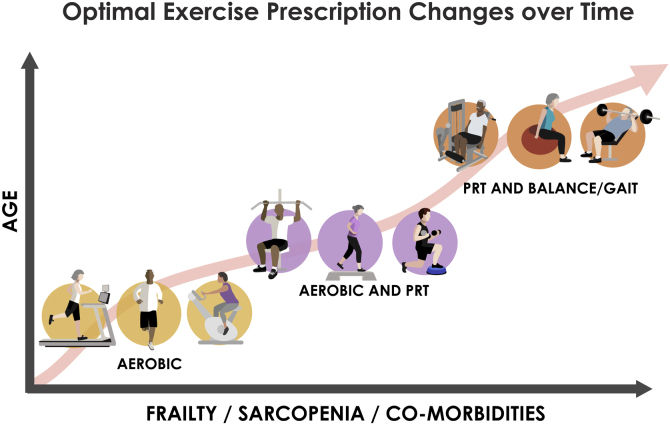
The part that gets dropped: the WHO also wants strength work twice a week. For members whose mobility is poor, balance and strength across three or more days can stand in for it.
From there it climbs week on week, which is the whole case for a progressive resistance plan tied to the member's experience and health. Margaret, with a cardio base already built, needs something different from a member walking in with nothing behind them.
Source: Pexels
Assess before writing the program
Before you write your programme, start with an assessment. This isn't a diagnosis or a fall risk prediction.
The easiest way to start is to speak to your client. What are their goals? Do they have a history of falls, pain, or medical conditions? What medication are they currently on? Are they restricted from performing certain exercises?
This can also be a quick glimpse into how aware they are of their current health.
The next test is physical. Start with:
- a 30-second chair stand
- a timed up and go
- a 4-stage balance test
- gait speed
Give them standard instructions, and when you're reading the results, never read one score on its own. For example, whether your client is able to complete a 30-second chair stand will have a lot to do with the results from a 4-stage balance test.
When it comes to what these tests point to:
- The chair stand tests leg strength and hand use.
- The timed up and go is where you have to watch how they turn and sit.
- The balance test is exactly what it sounds like. It tells you how good their balance is and where you have to start your balance training from.
- The gait speed gives you a general read on mobility.
Please factor in any red flags, like recent falls or any dizziness. This means that your tests have to change or maybe even involve a healthcare professional.
If your current client had a trainer before this within the same gym, you can ask them for more information as well.
These tests establish a baseline. A month or two into the program, you can run the same tests again to see if the results have changed.
Source: Pexels
Strength training
Most of the hour lives here.
The starting load is the thing to get right, and it cuts both ways.
Too light on someone who’s actually got some strength in them and nothing adapts, you’ve wasted the session. Too heavy before anyone knows how the member moves or what their health will take, and now there’s a risk that didn’t need to exist.
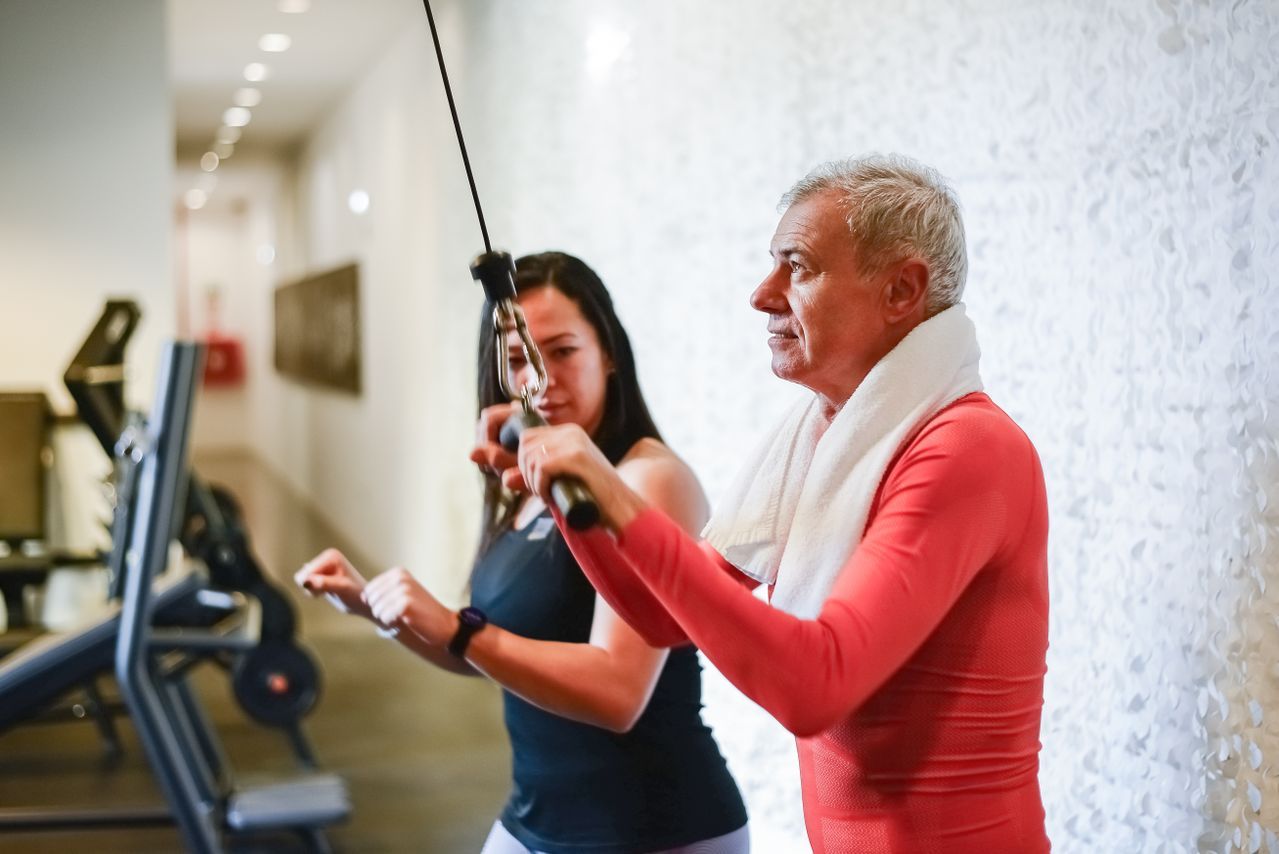
Machines first, as a rule, as they make it easy to control the range of movement, and it’s easier for you to adjust new loads without adding more risk.
Free weights earn their place too, as balance and coordination come from them in a way machines can’t really copy, but only when a trainer is standing right there.
Plenty of older beginners handle them early, mind you. A member with good control over their own body doesn’t need to spend six weeks on the leg press first. It’s a read on the person, not a protocol.
- To target legs and hips, choose sit-to-stands, the leg press, step-ups with something to hold, calf raises. If something’s too hard, raise the seat, drop the step, hand them more support, cut the range down until it isn’t.
- For upper body: choose the chest press, seated row, wall push-ups, a light dumbbell press.
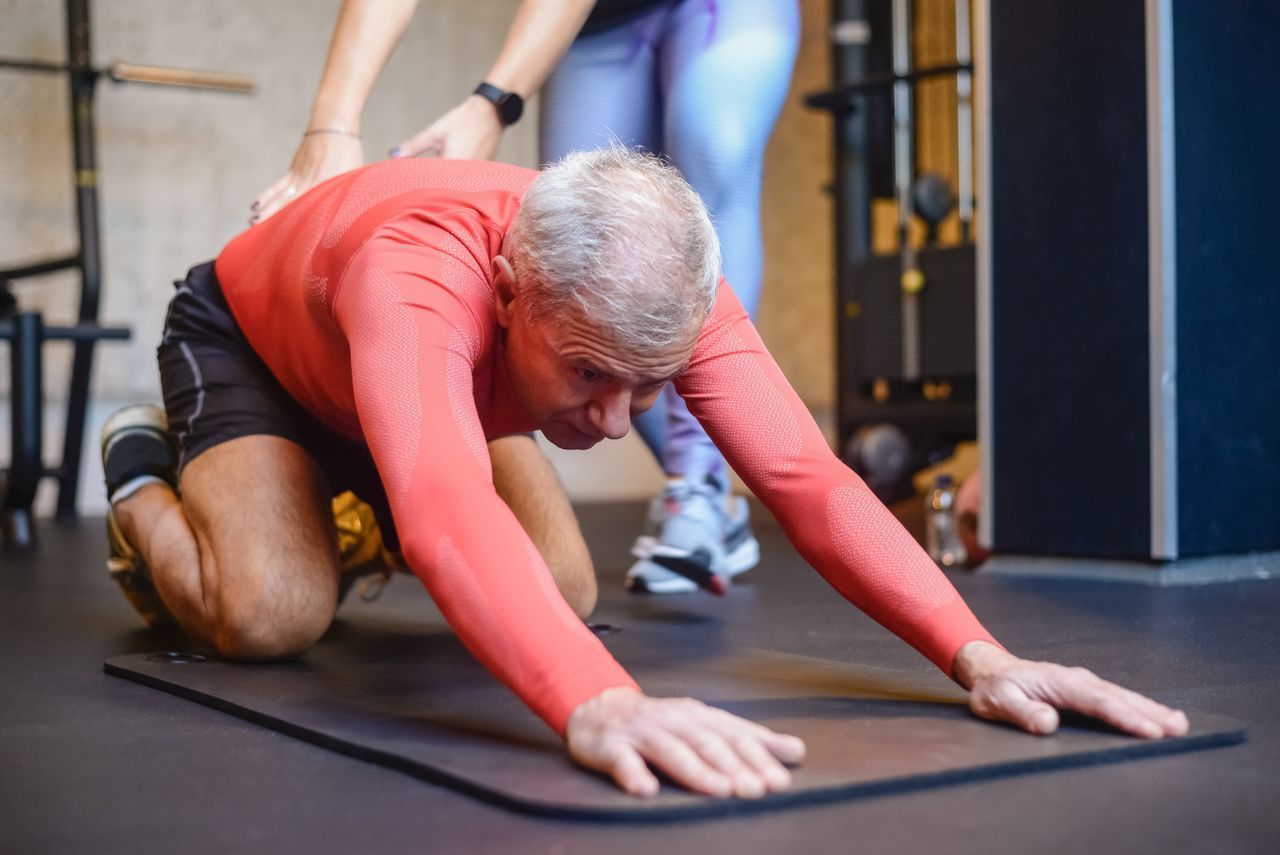
- For posture work, we recommend bird dogs and the supported trunk exercises, and the only real catch there is whether getting down and back up is safe to begin with. For some members it isn’t, and that decides it.
- Carries and the controlled reaching and the floor-transfer practice directly benefit real-life chores.
Whatever the final list looks like, the big muscle groups have to get worked often, and the hard days need actual recovery sitting between them. Six movements done properly will do more than fifteen done in a hurry. Lock the technique on a few, then add.
If there’s one to build the whole thing around, it’s the sit-to-stand. A person is up and down out of a chair dozens of times a day, so nothing carries over more directly, and it scales without a single piece of equipment. When the current version stops being hard:
- take away some of the hand support
- lower the seat
- hold a light weight close to the chest
- add a few more reps, controlled
Power training
Start this once the movement is solid on its own. Build from something already under control, this could be a chair stand with a sharp rise and a slow lower for one member, and for another a light fast leg press or a medicine-ball chest pass.
Strength comes first for an obvious reason. Someone who can't leave a chair without a heavy assist has no business attempting a fast, unsupported one.
Stalled progress? Check the boring things before anything else, like showing up, difficulty, recovery, and food. Are they eating enough and reaching their protein targets?. Any new complications?
Unexplained weakness or fatigue goes to a doctor. People love to pin it on hormones, or reach for testosterone to fix it. That call belongs to a clinician, full stop.
Balance training
The aim with balance work is to take a member right up to the edge of what they can hold and stop there, never past it into a fall they can’t catch.
Set up beside a rail or a counter they can grab, and stay close enough to put a hand out.
Then change one thing at a time, and only one:
- The stance comes in first, from about shoulder-width to feet together, and heel-to-toe after that if it’s safe to ask for.
- Movement goes on top of that once the stance holds: reaching for something, shifting weight side to side, stepping off in different directions, maybe a reach with a weight in hand.
- Reactions are the last layer, coached stepping drills pitched to what the member can actually do.
What you don’t do is yank away their vision or ask for a single-leg stand with nothing to hold, just to crank up the difficulty. Some advanced members’ve earned that kind of thing, and for them it’s on the table, but even then the fall risk gets weighed before the drill goes in.
Tai Chi is worth mentioning for the members who like a class and want to put time into balance and moving in a coordinated way. It sits next to the strength work. It doesn’t stand in for it.
Cardiovascular training
The best cardio is the one a member will actually come back and do, week after week, without dreading it.
Someone shaky on their feet usually feels steadier on a bike, so that’s where they go. Someone whose whole goal is more steps should be walking, there’s no reason to complicate it.
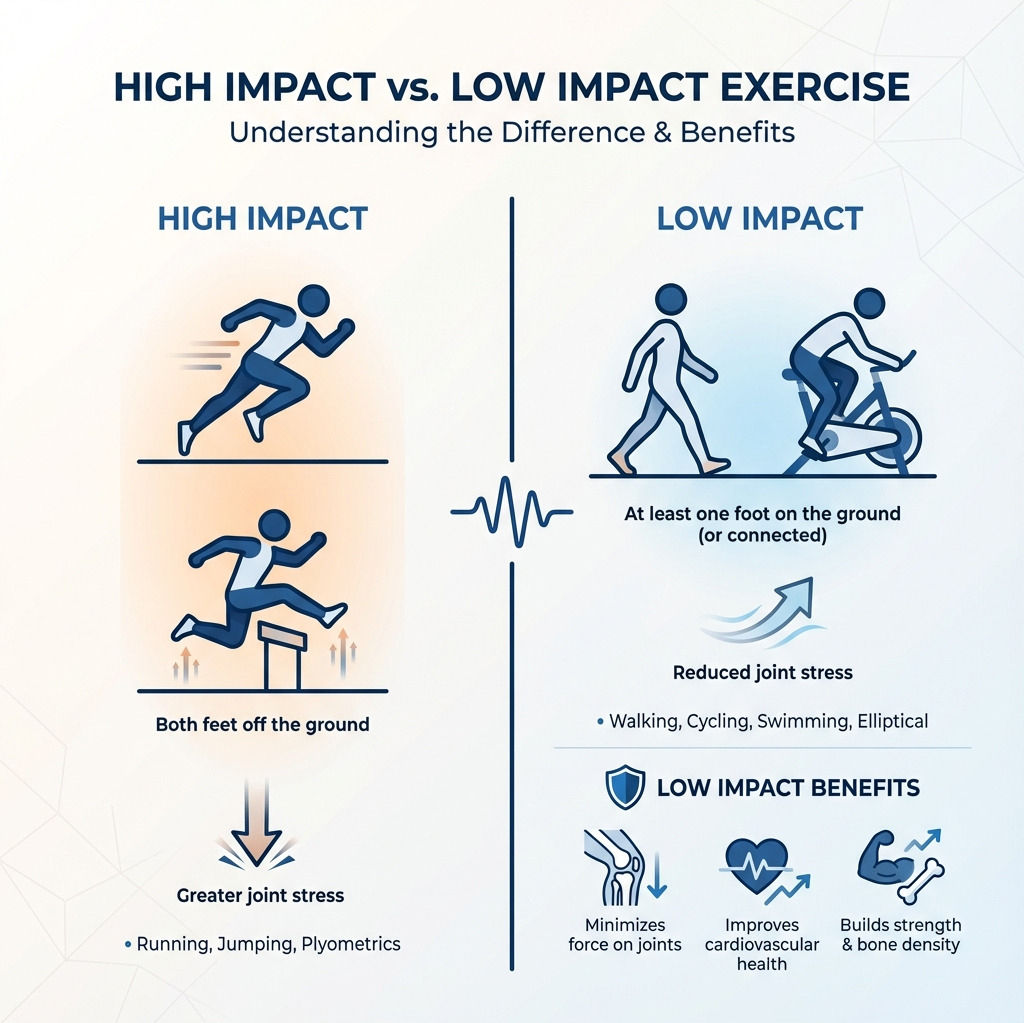
For gauging moderate effort, the talk test is enough on its own: they can get a sentence out, but not hold a tune.
This is the other place that first conversation earns its keep. A fair number of medications and conditions change the way the heart answers a workload, and in cardio that answer is more or less the whole thing you’re working with.
It counts toward the weekly minutes, no argument. But when strength and balance are the bigger holes, cardio can’t be allowed to swallow the time they need.
Safety and when to seek guidance
A handful of conditions can change what the program’s even allowed to look like, and you should find out before the first session, not partway through a set.
Osteoporosis is the one to catch early. When fracture risk is high, there may be hard limits on loading the spine, bending and twisting, anything with impact, and how resistance gets through the body at all.
High blood pressure and cardiovascular disease arrive with a ceiling the clinician’s already drawn, so the work stays under it. Steady breathing gets coached, and breath-holding stays out of the hard efforts entirely. Anything that looks off, the session ends, and the member gets seen.
The first month: Build confidence and consistency
None of it counts if the member stops turning up. A missed session is worth a short, friendly message, which is usually where the real reason comes out, before one absence settles into a pattern.
Booking systems make it easier to stay on top of. For gyms running Rezerv, the scheduling, membership, booking, and reminder features help staff coordinate sessions and keep new members on track.
Author bio: Brooke Webber is a passionate content writer who loves storytelling. She has six years of experience crafting compelling narratives that resonate with audiences across industries. A total coffee addict, she immerses herself in literature in her spare time.
