What is cutting in fitness? Complete guide (2026)
Learn what cutting in fitness means, how a cutting phase works, nutrition tips, training strategies, and common mistakes in this beginner-friendly guide.
If you have spent time in the gym or watched fitness content online, you have probably heard someone say they are “cutting.” The term can sound intense, especially if you are new to strength training. But the basic idea is simple: cutting is a period when you focus on losing body fat while trying to maintain the muscle you have already built.
Many people start a cutting phase because they want their muscles to look more defined, improve their body composition, or feel leaner overall. However, cutting does not mean eating as little as possible or spending hours on the treadmill every day. A good cutting plan is built around a manageable calorie deficit, enough protein, consistent strength training, and proper recovery.
In this guide, we will explain how cutting works, how it differs from regular weight loss and bulking, what to eat during a cutting phase, and the common mistakes that can make the process harder than it needs to be.
Source: Freepik on Magnific
I. What is cutting in fitness?
Cutting is a fitness phase focused on reducing body fat while maintaining as much muscle as possible. It usually involves eating in a calorie deficit, which means consuming fewer calories than your body burns each day.
The goal is not simply to lose weight. During a cutting phase, you want to improve your body composition by lowering your body fat percentage while keeping your strength and muscle mass. This is why cutting is often paired with resistance training, a protein-rich diet, and enough rest.
Cutting is commonly associated with bodybuilding, especially before competitions or photo shoots. However, you do not need to be a bodybuilder to use the same approach. Many gym-goers choose to cut after a muscle-building phase or when they want more visible muscle definition.
A successful cut should feel controlled and sustainable. Extreme calorie restriction may lead to low energy, poor workout performance, and muscle loss. A more balanced approach makes it easier to stay consistent and achieve results that last.
II. How does cutting work?
Cutting works by creating a calorie deficit, which means your body uses more energy than you consume through food and drinks. When this happens consistently, your body starts using stored energy, including body fat, to make up the difference.
However, losing fat is only part of the goal. During a cutting phase, you also want to maintain as much muscle as possible. This requires a balanced approach. Eating far too little may help the number on the scale drop faster, but it can also affect your energy levels, workout performance, and muscle mass.
1. Creating a calorie deficit
A calorie deficit is the foundation of a cutting plan. You do not need to drastically reduce your food intake overnight. A moderate deficit is usually easier to maintain and gives you enough energy to continue exercising consistently.
Your calorie needs depend on factors such as your age, body weight, activity level, and fitness goals. Some people track their calories carefully, while others focus on portion sizes and more mindful food choices. Both approaches can work when they help you stay consistent.
2. Maintaining muscle mass
Strength training plays an important role during a cut. Continuing to lift weights gives your body a reason to hold on to the muscle you have built. Protein is also essential because it supports muscle maintenance and helps you feel fuller for longer.
Rest and recovery matter too. A cutting phase can feel more challenging when your energy intake is lower, so getting enough sleep and allowing your body to recover between workouts can make a real difference.
3. Adding cardio strategically
Cardio can support your cutting goals by helping you burn more calories. Walking, cycling, jogging, swimming, and interval training are all useful options.
You do not need to do excessive cardio to see results. Think of it as a supporting tool rather than the main focus of your plan. Strength training, balanced nutrition, and consistency should remain the foundation of your cutting routine.

Source: pvproductions on Magnific
III. Cutting vs. Bulking: What is the difference?
Cutting and bulking are two common fitness phases with different goals. During a cutting phase, the focus is on reducing body fat while maintaining muscle. During a bulking phase, the focus is on building muscle by giving your body enough energy and nutrients to support growth.
The biggest difference comes down to calorie intake. Cutting usually requires a calorie deficit, while bulking usually involves eating slightly more calories than your body burns each day. Your training may still include strength exercises in both phases, but your nutrition strategy changes based on your goal.

Some people alternate between bulking and cutting phases over time. For example, they may spend several months building muscle, then move into a cutting phase to reduce some of the body fat gained along the way.
You do not need to follow a strict bodybuilding-style cycle to make progress. Your approach should depend on your goals, experience level, and lifestyle. Beginners may even be able to build muscle and lose fat at the same time through a process called body recomposition.
IV. Cutting vs. Regular weight loss
Cutting and weight loss are closely related, but they are not exactly the same. Weight loss refers to any decrease in total body weight. This can include fat, muscle, water, and other changes in the body.
Cutting is more focused. The goal is to reduce body fat while preserving as much muscle as possible. This is why a cutting plan usually includes strength training, enough protein, and a more gradual calorie deficit.
For example, someone may lose weight quickly by eating very little and doing a large amount of cardio. However, part of that weight loss may come from muscle. During a cut, the aim is to keep muscle loss to a minimum while gradually becoming leaner.
The scale can still be useful, but it should not be the only way to measure progress. Daily body weight can fluctuate because of hydration, sodium intake, digestion, and hormonal changes. A clearer picture often comes from tracking several indicators, such as:
- Waist and body measurements
- Progress photos
- Changes in how your clothes fit
- Strength and workout performance
- Body composition changes over time
A successful cut is not always about losing weight as quickly as possible. Slow and steady progress can make it easier to maintain muscle, stay energized, and keep the results in the long run.

Source: jcomp on Magnific
V. What should you eat during a cutting phase?
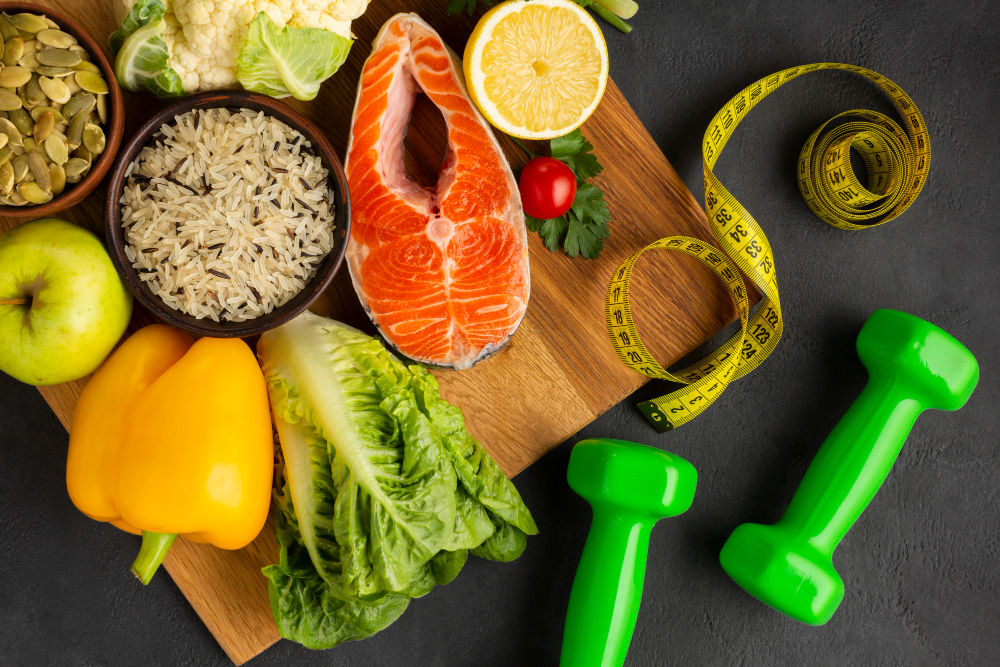
A cutting diet does not require bland meals, tiny portions, or a long list of foods you are no longer allowed to enjoy. The main goal is to eat fewer calories than your body burns while giving your body enough nutrients to support your workouts and daily activities.
The best cutting diet is one you can maintain consistently. Instead of relying on extreme restrictions, focus on balanced meals that include enough protein, carbohydrates, and healthy fats.
1. Prioritize protein-rich foods
Protein is especially important during a cutting phase because it helps maintain muscle while you are losing body fat. It can also help you feel fuller after meals, making it easier to stick to your calorie target.
Try to include a source of protein in each meal. Some good options include:
High-protein foods
- Chicken breast
- Eggs
- Fish and seafood
- Greek yogurt
- Cottage cheese
- Lean beef
- Tofu and tempeh
- Beans and lentils
- Protein shakes
Protein shakes can be convenient when you struggle to get enough protein from meals alone, but they are optional. You can still reach your goals through regular meals.
2. Choose foods that keep you full
Cutting can become difficult when you constantly feel hungry. Complex carbohydrates and fiber-rich foods can give you energy while helping your meals feel more satisfying.
Carbohydrates still have a place in your diet during a cut. Instead of removing them completely, pay attention to portion sizes and choose options that support your workouts and daily routine.
Complex carbohydrates and fiber-rich foods
- Rice
- Oats
- Sweet potatoes
- Potatoes
- Whole-grain bread
- Brown rice
- Quinoa
- Fruits
- Vegetables
- Beans and legumes
3. Include healthy fats in moderation
Healthy fats are also an important part of a balanced diet. They add flavor to your meals and provide essential nutrients. However, fats are calorie-dense, so portion sizes still matter when you are trying to stay in a calorie deficit.
Healthy Fats
- Avocados
- Nuts
- Seeds
- Olive oil
- Peanut butter
- Fatty fish, such as salmon and mackerel
5. Leave room for foods you enjoy
You do not need to completely give up dessert, snacks, or meals at your favorite restaurant during a cutting phase. A diet that feels too restrictive can be difficult to maintain in the long run.
You can still enjoy your favorite foods occasionally while keeping an eye on your overall calorie intake. A flexible approach makes it easier to stay consistent without feeling like your entire life revolves around your diet.
VI. What are the best workouts for cutting?
Your workout routine during a cutting phase should help you maintain muscle while increasing your overall calorie expenditure. You do not need to completely change your training plan or spend every day doing intense cardio. A balanced routine that combines strength training, cardio, and enough recovery is usually more sustainable.
1. Continue strength training
Strength training should remain a priority during a cut. Lifting weights gives your body a reason to preserve the muscle you have already built, even when you are eating fewer calories.
Focus on compound exercises that work several muscle groups at once, such as:
- Squats
- Deadlifts
- Lunges
- Bench presses
- Rows
- Pull-ups
- Shoulder presses
Try to maintain your strength as much as possible. You may find it harder to increase the weight you lift while eating in a calorie deficit, especially as your cut progresses. That is completely normal. The main goal is to stay consistent and avoid unnecessary muscle loss.
2. Add cardio based on your fitness level
Cardio can help you burn more calories and improve your overall fitness. However, you do not need to push yourself through exhausting cardio sessions every day.
Choose activities that fit your routine and feel manageable, such as:
- Brisk walking
- Jogging
- Cycling
- Swimming
- Dancing
- Stair climbing
- High-intensity interval training (HIIT)
Walking is one of the easiest ways to increase your daily movement without placing too much stress on your body. HIIT can also be useful, but it may require more recovery time. Start with an amount of cardio you can maintain consistently, then adjust it gradually based on your progress.
3. Stay active outside the gym
Your daily activities can also make a difference during a cut. Simple habits, such as walking more often, taking the stairs, or doing household chores, can help increase the number of calories you burn throughout the day.
You do not need to rely entirely on formal workouts. Small movements can add up over time, especially when they become part of your everyday routine.
4. Make time for rest and recovery
Recovery is essential during a cutting phase because your body has less energy available than usual. Training too hard without enough rest may leave you feeling exhausted and make it harder to stay consistent.
Give your muscles time to recover between workouts, schedule rest days, and aim to get enough sleep each night. A realistic workout plan is more effective than an intense routine that leaves you feeling drained after the first few weeks.

Source: jcomp on Freepik
VII. How long does a cutting phase usually last?
There is no single timeline that works for everyone. The length of a cutting phase depends on your starting body fat percentage, target, calorie deficit, workout routine, and daily lifestyle.
For many people, a cutting phase lasts around 6 to 12 weeks. Some may need a shorter period if they only want to lose a small amount of body fat. Others may continue for a few months if they have a larger goal and can maintain their routine without feeling overly exhausted.
1. Aim for gradual progress
A successful cut does not need to produce dramatic changes every week. Gradual weight loss is often easier to maintain and gives you a better chance of preserving muscle.
Your progress may not look the same every week. Body weight can fluctuate due to hydration, digestion, sleep, stress, and hormonal changes. Focus on longer-term trends instead of worrying about daily changes on the scale.
2. Pay attention to how you feel
Your body may need a break if you start experiencing persistent fatigue, poor workout performance, difficulty concentrating, or constant hunger. These signs can indicate that your calorie deficit is too aggressive or that you have been cutting for too long.
Some people take a short maintenance phase after a cut. During this period, they increase their calorie intake slightly to maintain their current weight, recover their energy, and build a more sustainable routine before setting a new goal.
3. Review your progress regularly
Check your progress every few weeks using more than one measurement. You can track:
- Body weight trends
- Waist and body measurements
- Progress photos
- Changes in how your clothes fit
- Strength and workout performance
- Energy levels and overall well-being
The right cutting timeline should help you move toward your goal without making your daily life feel miserable. Sustainable progress is more valuable than reaching a target as quickly as possible.
VIII. Common cutting mistakes to avoid
Cutting can help you become leaner and improve muscle definition, but a more extreme approach does not always produce better results. Small mistakes can leave you feeling exhausted, make your workouts less effective, and turn a manageable routine into something difficult to maintain.
Here are some of the most common mistakes to avoid during a cutting phase.
1. Cutting calories too aggressively
Eating far too little may cause your body weight to drop quickly at first, but it can also leave you feeling tired and hungry throughout the day. You may struggle to concentrate, complete your workouts, or maintain your routine for more than a few weeks.
Start with a moderate calorie deficit and adjust gradually based on your progress. A slower approach may feel less dramatic, but it is often easier to maintain.
2. Doing too much cardio
Cardio can support fat loss, but doing intense cardio every day is not necessary. Excessive cardio may make it harder for your body to recover, especially when you are already eating fewer calories.
Choose activities that fit your energy levels and schedule. Walking, cycling, or a few planned cardio sessions each week can be more realistic than forcing yourself through exhausting workouts every day.
3. Neglecting strength training
Some people focus entirely on cardio when they want to lose fat. However, strength training is still important during a cut because it helps you maintain muscle and strength.
Continue lifting weights consistently, even if you are not setting new personal records every week. Your goal during a cut is often to preserve the progress you have already made.
4. Eating too little protein
Protein supports muscle maintenance and helps make your meals more satisfying. If your diet is low in protein, it may become harder to preserve muscle while losing body fat.
Try to include protein-rich foods in your meals, such as chicken breast, eggs, fish, Greek yogurt, tofu, tempeh, lean beef, or beans.
5. Removing too many foods from your diet
You do not need to completely avoid carbohydrates, fats, snacks, or your favorite meals to complete a successful cut. A diet with too many restrictions can become difficult to follow and may make you more likely to give up.
Focus on portion sizes and your overall eating habits. A flexible approach can help you stay consistent while still enjoying your food.
6. Only tracking the number on the scale
Your body weight can fluctuate from day to day because of hydration, digestion, sodium intake, and hormonal changes. A small increase on the scale does not always mean you have gained body fat.
Track your progress using more than one measurement. Waist measurements, progress photos, clothing fit, workout performance, and energy levels can give you a clearer picture.
7. Ignoring rest and recovery
A cutting phase can be physically demanding, especially as your calorie intake decreases. Poor sleep and a lack of rest days can affect your energy, mood, and workout performance.
Make recovery part of your routine. Give your muscles time to rest, aim for enough sleep each night, and reduce your training intensity when your body needs a break.
8. Copying someone else’s cutting plan
A calorie target or workout routine that works for someone else may not be suitable for you. Your needs depend on your body, activity level, experience, schedule, and goals.
Use other people’s routines as inspiration, but adjust your cutting plan to fit your own lifestyle. The best approach is one you can follow consistently without making your daily life miserable.

Source: Freepik on Magnific
IX. Is cutting safe?
Cutting can be safe when you approach it gradually and continue eating a balanced diet. A sustainable cutting plan should provide enough energy for your daily activities, workouts, and recovery.
Problems often arise when people take the process too far. Eating far too little, exercising excessively, or trying to lose weight as quickly as possible can place unnecessary stress on your body. A cutting phase should help you make steady progress without affecting your ability to function normally.
1. Avoid extreme calorie restriction
You do not need to follow a crash diet to reduce body fat. Rapid weight loss can be difficult to maintain and may increase the risk of health problems.
A moderate calorie deficit is usually a more realistic option. It allows you to continue eating nutritious meals, maintain your training routine, and enjoy occasional treats without feeling like you need to follow a rigid diet every day.
2. Watch for signs that you need a break
Pay attention to how your body responds during your cut. Persistent symptoms may indicate that your calorie intake is too low, your workout routine is too demanding, or your body needs more time to recover.
Common warning signs include:
- Constant fatigue
- Dizziness or feeling unwell during exercise
- Difficulty concentrating
- Poor sleep
- Reduced strength or declining workout performance
- Constant thoughts about food
- Irregular or missed periods
- A lower sex drive
- Feeling unusually cold throughout the day
If these symptoms continue, consider pausing your cut and speaking with a healthcare professional or registered dietitian.
3. Know when to ask for professional advice
It is a good idea to speak with a qualified healthcare professional before starting a cutting phase if you have an underlying health condition, take medications that may affect your weight, have specific nutritional needs, or have a history of disordered eating.
A registered dietitian can help you create a plan that fits your body, activity level, and fitness goals. Personalized guidance is especially helpful if you are unsure how much you should eat or find it difficult to maintain a healthy relationship with food.
Cutting should feel challenging at times, but it should still be manageable. If the process starts to affect your physical health, mental well-being, or everyday routine, it may be time to adjust your approach.
FAQs
What is cutting in fitness in simple terms?
Cutting is a phase where someone reduces body fat while trying to maintain muscle mass through nutrition and training.
How long should a cutting phase last?
It depends on individual goals, but many cutting phases last several weeks to a few months.
Can beginners do a cutting phase?
Yes, but beginners often benefit from building muscle and learning nutrition fundamentals first.
Do I need cardio while cutting?
Cardio can help support fat loss, but nutrition and resistance training remain the foundation.
How much protein should I eat while cutting?
Protein needs vary, but higher protein intake is generally recommended to help preserve muscle mass.
Conclusion
Cutting is a structured approach to reducing body fat while maintaining as much muscle as possible. It usually involves a moderate calorie deficit, enough protein, consistent strength training, and a workout routine that you can realistically maintain.
You do not need to follow an extreme diet or spend hours doing cardio every day. Small, consistent habits often lead to better results than drastic changes that leave you exhausted after a few weeks.
Start with a manageable plan, pay attention to your energy levels, and track your progress over time. A successful cutting phase should help you feel leaner and stronger without taking over your entire life.
Cheers, Friska