What is Kundalini Yoga?
Learn what Kundalini Yoga is, how it works, its benefits, breathing techniques, meditation practices, and beginner tips in this complete guide.
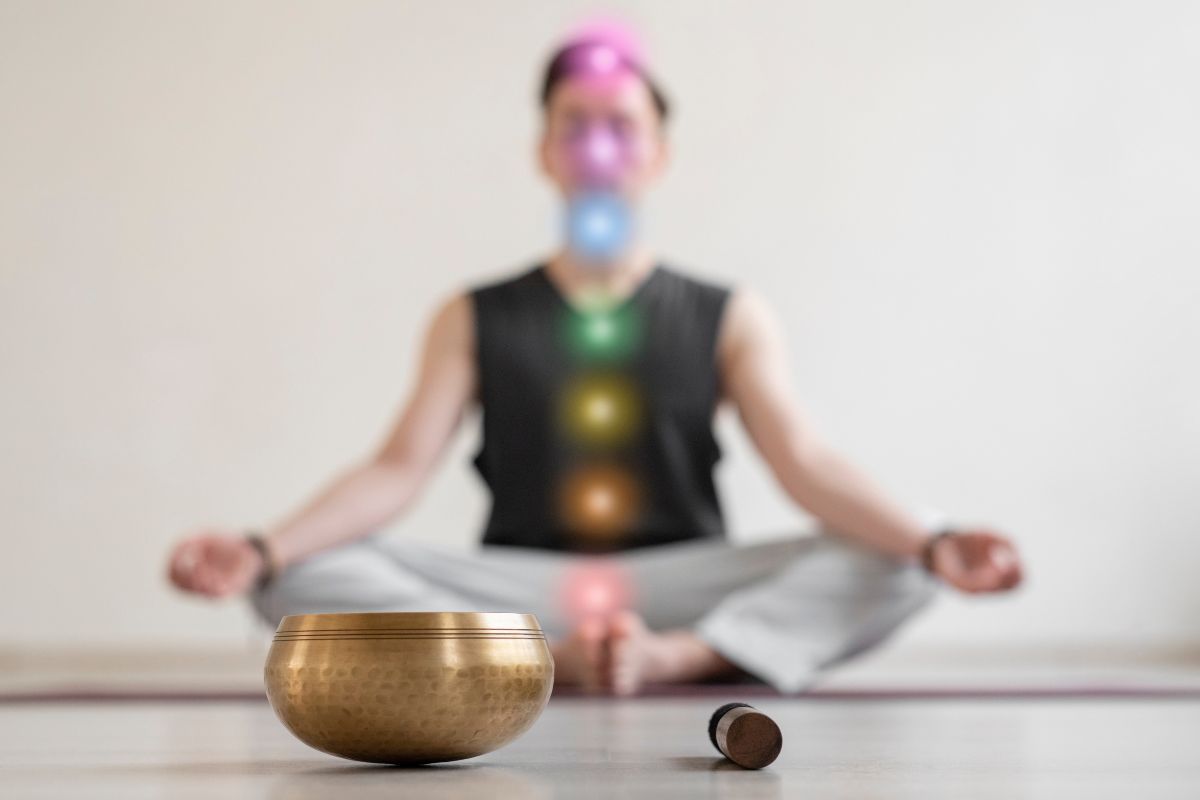
Source: Freepik
What is Kundalini Yoga and why is it unique?
When you think about yoga, you may picture a room full of people moving through poses, stretching their muscles, and trying to improve their flexibility. Kundalini Yoga offers a slightly different experience. You will still move your body, but the practice also asks you to pay close attention to your breathing, your thoughts, and your energy.
So, what is Kundalini Yoga? It is a spiritual and mindfulness-focused style of yoga that combines movement, breathing exercises, meditation, and chanting. A typical class may include gentle stretches, repetitive movements, moments of stillness, and mantras repeated out loud or silently. Some exercises feel calming and restorative. Others can feel surprisingly energizing, even when the movements look simple.
The word “kundalini” refers to a spiritual concept found in yogic traditions. It is often described symbolically as a dormant energy resting at the base of the spine. Kundalini Yoga uses specific techniques to cultivate awareness and gradually channel this energy through the body.
You do not need to fully understand or personally connect with the spiritual side of the practice before joining a beginner class. Many people start with a simpler goal: to slow down, manage stress, and feel more present in their daily lives.
This combination of physical and meditative practices is what makes Kundalini Yoga stand out from many other popular yoga styles. In a Vinyasa class, you may move through a continuous flow of poses.
In a Yin class, you may hold deep stretches for several minutes. Kundalini Yoga can include both movement and stillness, with a stronger focus on breathwork, concentration, and self-awareness.
In this article, we will take a closer look at the origins of Kundalini Yoga, how a typical practice works, the techniques you may encounter in a class, and the potential benefits. You will also learn how it compares with other yoga styles and how to get started as a complete beginner.
What Is Kundalini Yoga?
Kundalini Yoga is a style of yoga that brings movement, breathing exercises, meditation, and sound into one practice. Instead of spending the entire class moving through a continuous flow of poses, you may repeat a simple movement, hold a posture, practice a specific breathing pattern, or chant a mantra. These elements often appear together in a structured sequence known as a kriya.
The word “kundalini” comes from Sanskrit and is commonly associated with something coiled or curled. In some Tantric forms of yoga, kundalini refers to a spiritual energy believed to rest at the base of the spine. It is often symbolized as a coiled serpent.
Traditional teachings describe this energy as a form of inner potential that can gradually awaken through practices such as controlled breathing, physical postures, meditation, and focused awareness.
You do not need to interpret this idea literally to explore the practice. Modern anatomy does not identify kundalini energy as a measurable structure in the body. It is better understood as a spiritual framework that some practitioners use to reflect on awareness, personal growth, and their connection with themselves. Beginners can still appreciate the practical side of a class, including mindful movement, relaxation, and breath awareness.
Kundalini Yoga also has a layered history. The concept of kundalini has roots in older yogic and Tantric traditions. The class format that many people recognize today became widely known in the West during the late 1960s through Yogi Bhajan.
This modern approach typically combines physical exercises, breathwork, mantras, music, and meditation. The Kundalini Research Institute describes it as a practice centered on self-awareness, with rhythmic movements and conscious breathing playing an important role.
That historical distinction is useful. The spiritual idea of kundalini has existed for centuries, while the experience you find in a modern wellness studio has also been shaped by more recent teachers and organizations. Classes can vary, but many share a similar purpose: helping you become more aware of your body, breath, and mental state.
At its core, Kundalini Yoga invites you to slow down and pay closer attention. You may notice how your breathing changes your focus, how repetitive movements test your patience, or how your mind feels after a few quiet minutes of meditation.
This makes the practice appealing to people who want to explore yoga as a form of physical exercise, mindfulness, and spiritual reflection.
How does Kundalini Yoga work?
Kundalini Yoga brings several practices together in a single session. Instead of treating movement, breathing, and meditation as separate activities, it combines them in carefully structured sequences. You may stretch your body, repeat a movement for several minutes, change your breathing pattern, chant a mantra, and sit quietly in meditation during the same class.
Each element has a purpose. Movement helps you become more aware of your body. Breathwork encourages you to notice your physical and emotional state. Meditation trains your attention. Chanting gives your mind a steady point of focus.
In traditional teachings, these techniques are used to awaken and guide kundalini energy. From a practical wellness perspective, they can also help you slow down, focus your thoughts, and step away from the mental noise of daily life.
This balance between physical activity and inner awareness is one reason Kundalini Yoga can feel different from a standard workout.
Breathwork (Pranayama)
Breathing exercises, known as pranayama, play a central role in Kundalini Yoga. In everyday life, your breathing often changes without you noticing. It may become shallow when you feel stressed, quicker when you are rushing, or deeper when you finally have a chance to relax.
Pranayama asks you to pay attention to that pattern and adjust it intentionally. A teacher may guide you through slow diaphragmatic breathing, alternate nostril breathing, or a faster exercise such as Breath of Fire. The Kundalini Research Institute lists these as common techniques used in the practice.
Different breathing exercises can create different experiences. Slow, steady breathing may help your body settle into a calmer state. A systematic review of slow breathing research found connections between slow breathing techniques, parasympathetic activity, and emotional well-being. Faster exercises tend to feel more energizing and require greater care, especially when you are new to the practice.
You do not need to master every technique during your first class. Start gently, follow your instructor closely, and pause when a breathing exercise makes you feel dizzy or uncomfortable.
Movement & postures
Kundalini Yoga includes physical poses, but the class structure may feel different from the pose-by-pose format you expect from other yoga styles. Many sessions use kriyas, which are structured sequences that combine postures, breathing patterns, gestures, and moments of rest.
A kriya may ask you to repeat a simple arm movement, gently twist your spine, hold a seated position, or coordinate a movement with your breath. Some sequences feel soft and meditative. Others can challenge your strength, stamina, or coordination.
Repetition is an important part of the practice. At first, repeating one movement may seem simple. After a few minutes, you may notice physical fatigue, wandering thoughts, or the urge to stop early. This is where Kundalini Yoga becomes a practice of attention as well as movement. You learn to observe your reactions, adjust when needed, and stay present.
Meditation & chanting
Meditation often appears at the beginning or end of a Kundalini Yoga class. It may also be woven into a kriya. You may sit quietly, focus on your breathing, repeat a mantra, or direct your attention toward a specific point.
A mantra is a sound, word, or phrase repeated during meditation. In Kundalini Yoga, mantras may be spoken, whispered, sung, or repeated silently. Chanting can give your mind something steady to return to when your thoughts start drifting. Some practitioners also view sound as a spiritual tool for directing energy and deepening awareness.
You do not need to know the meaning of every mantra before joining a class. A good instructor will explain the basics and invite you to participate at your own pace. You can also listen quietly at first.
Together, movement, breathwork, meditation, and chanting create a practice that engages both the body and the mind. This combination makes Kundalini Yoga a helpful option for people who want to explore yoga beyond stretching and physical exercise.
Common Kundalini Yoga practices explained
Your first Kundalini Yoga class may feel unfamiliar, especially if your previous yoga experience mostly involved stretching and physical poses. You may repeat a movement for several minutes, practice a specific breathing pattern, chant a mantra, and sit quietly in meditation during the same session.
The exact format can vary from one instructor to another. Still, most classes draw from a similar set of practices. Understanding the basics can help you feel more comfortable before you step onto the mat.
Kriyas
A kriya is a structured sequence of exercises designed around a particular intention. It may combine physical movements, postures, breathing techniques, hand gestures, meditation, and moments of rest.
Some kriyas focus on spinal mobility or physical stamina. Others place more emphasis on concentration, relaxation, or self-awareness. A sequence may ask you to twist gently from side to side while coordinating your breath. Another may involve holding your arms in a specific position while maintaining a steady rhythm.
Kriyas often use repetition. The movements may look simple, but repeating them for several minutes can challenge your patience and focus. You start to notice how your body responds, when your mind begins to wander, and when you need to adjust your pace.
Beginners should prioritize good form and comfort instead of trying to push through every exercise.
Mantras
A mantra is a sound, word, or phrase repeated during a yoga or meditation practice. In a Kundalini Yoga class, you may chant along with the instructor, listen to a recorded mantra, or repeat a phrase silently in your mind.
Chanting gives your attention somewhere to land. When your thoughts start jumping from one topic to another, the rhythm can help you return to the present moment. Some practitioners also connect mantras with spiritual reflection and the traditional belief that sound can influence energy and awareness.
You do not need a strong singing voice or previous chanting experience. The goal is not to perform. You can follow along quietly, listen at first, or participate at a level that feels comfortable.
Breath techniques
Breathwork is one of the most recognizable parts of Kundalini Yoga. Different techniques create different rhythms and sensations, so it helps to learn them gradually with guidance from a trained instructor.
Breath of Fire is a fast, rhythmic breathing technique commonly used in Kundalini Yoga. It usually involves short breaths through the nose while the abdominal muscles move in a steady pattern. The practice can feel energizing, but it may take time to learn. Slow down or pause if you feel lightheaded, strained, or uncomfortable.
Deep diaphragmatic breathing uses slower, fuller breaths. As you inhale, your abdomen gently expands. As you exhale, it relaxes. This technique can help you become more aware of your breathing habits and create a calmer pace during practice. The National Center for Complementary and Integrative Health also includes slow diaphragmatic breathing as a common relaxation technique.
Alternate nostril breathing involves breathing through one nostril at a time and switching sides in a controlled pattern. Many people use it as a grounding exercise before meditation or during a stressful day. You can read a beginner-friendly explanation of alternate nostril breathing from Cleveland Clinic.
Breathwork should feel steady and manageable. Let your instructor know about any health concerns before trying a faster or more demanding technique. Give yourself permission to return to normal breathing at any point.
Meditation practices
Meditation in Kundalini Yoga can take several forms. You may sit in silence, focus on your breathing, repeat a mantra, follow a guided visualization, or concentrate on a specific point.
The goal is not to completely empty your mind. Thoughts will still appear. Meditation helps you notice them without immediately getting carried away by them. Over time, this can make it easier to return your attention to the present moment.
Some meditation exercises last only a few minutes, which makes them approachable for beginners. Longer sessions may require more patience and practice. If sitting still feels difficult at first, start small. A short, consistent routine can help you develop greater awareness without making the experience feel intimidating.
Meditation and mindfulness practices are widely used as tools for supporting mental well-being, although individual experiences vary. The National Center for Complementary and Integrative Health provides a helpful overview of the research and safety considerations.
Together, kriyas, mantras, breathing exercises, and meditation create the foundation of Kundalini Yoga. You can explore them gradually, stay curious, and build a practice that feels supportive rather than overwhelming.
Benefits of Kundalini Yoga
People explore Kundalini Yoga for many reasons. Some want a way to unwind after a demanding week. Others are curious about meditation but struggle to sit still for long periods. The combination of movement, breathing, sound, and quiet reflection can make mindfulness feel more approachable.
Your experience will depend on the class, the instructor, and the consistency of your practice. Kundalini Yoga is not a quick fix for every physical or emotional concern. Still, it may support several aspects of your well-being when practiced regularly and with realistic expectations.
Stress reduction & relaxation
A Kundalini Yoga class encourages you to pause and direct your attention toward one activity at a time. You may follow the rhythm of your breathing, repeat a gentle movement, or focus on a mantra. This can offer a welcome break when your mind feels crowded with deadlines, notifications, and unfinished tasks.
Slow breathing exercises may also help your body settle into a more relaxed state. Research on slow breathing has found links with parasympathetic activity, which plays a role in rest and recovery. A broader overview from the National Center for Complementary and Integrative Health also notes that yoga may help people manage stress and support mental and emotional well-being.
The key is choosing the right pace. Gentle breathwork and meditation may feel calming. Faster techniques can feel stimulating, especially during your first few sessions. Listen to your body and take breaks when needed.
Improved mental C=clarity
It can be hard to focus when your attention is being pulled in several directions at once. Kundalini Yoga gives your mind a simple task: return to the breath, the movement, or the mantra.
That repetition can become a form of mental training. You notice when your thoughts drift, then gently guide your attention back to the present moment. Over time, this may help you become more aware of your habits and respond to distractions more intentionally.
You may not leave every class with a perfectly clear mind. Some sessions may feel restless. Others may help you feel noticeably more grounded. Progress often looks subtle at first.
Increased energy & vitality
Kundalini Yoga can feel surprisingly energizing. Repetitive movements, dynamic exercises, and focused breathing keep your body engaged. You may leave a class feeling more alert, especially after a session that includes active kriyas or rhythmic breathwork.
This does not mean that the practice provides a guaranteed energy boost. Your response may change from day to day. A gentler class may leave you relaxed and ready to rest. A more active sequence may help you feel refreshed and motivated.
The variety is part of the appeal. You can explore different class formats and find a pace that suits your body, your schedule, and your current energy level.
Emotional balance
Kundalini Yoga creates space for self-observation. During a kriya or meditation, you may become more aware of tension in your body, recurring thoughts, or emotions that you usually push aside when life gets busy.
This awareness can help you respond more thoughtfully to everyday stress. You learn to notice discomfort without immediately reacting to it. You also build familiarity with simple tools, such as slow breathing and meditation, that may help you regain a sense of calm.
Research into Kundalini Yoga is still developing. One randomized clinical trial involving adults with generalized anxiety disorder found that Kundalini Yoga helped reduce anxiety symptoms, although cognitive behavioral therapy was more effective. This makes yoga a possible supportive practice, not a replacement for therapy or medical treatment.
Flexibility & physical wellness
Kundalini Yoga includes stretching, seated postures, spinal movements, and exercises that may challenge your endurance. Regular practice can help you become more aware of how your body moves and where you tend to hold tension.
Some kriyas may support mobility and posture by encouraging controlled movement through different parts of the body. Others may gently build strength, especially when you hold a position or repeat an exercise for several minutes.
You do not need to be naturally flexible to get started. You can modify movements, rest when necessary, and gradually build confidence. A good class should leave room for your current ability level rather than pressure you to force your body into uncomfortable positions.
The benefits of Kundalini Yoga often come from the combination of its elements. Movement helps you reconnect with your body. Breathing exercises give you a practical way to slow down or refocus. Meditation encourages patience and awareness. With consistent practice, these small habits can become useful tools for navigating daily life with more intention.
Who is Kundalini Yoga For?
Kundalini Yoga can appeal to a wide range of people because it does not revolve around mastering difficult poses. You can explore the practice at your own pace, starting with gentle movements, simple breathing exercises, and short meditations.
That said, every yoga style has its own personality. Kundalini Yoga may feel like a natural fit if you enjoy reflective practices and want to explore the connection between your body, breath, and mental state. If chanting or spiritual themes feel unfamiliar, you can approach them gradually and decide which parts of the practice resonate with you.
Beginners exploring Yoga
You do not need previous yoga experience to join a beginner-friendly Kundalini Yoga class. Many of the movements can be adapted, and instructors often guide students through each breathing technique and meditation exercise step by step.
Kundalini Yoga can be a welcoming entry point if you feel intimidated by fast-paced flows or physically demanding poses. The practice invites you to notice how you feel instead of measuring your progress against the person next to you.
Your first class may still include unfamiliar elements, such as chanting or repetitive movements. Give yourself time to adjust. You are allowed to rest, return to your normal breathing pattern, or simply listen during a mantra.
People interested in mindfulness
Some people want to start meditating but find it difficult to sit quietly while their mind races through an endless to-do list. Kundalini Yoga offers several ways to build mindfulness without relying on stillness alone.
You may coordinate your breath with a movement, focus on the rhythm of a mantra, or follow a guided meditation. These activities give your attention a clear anchor. When your thoughts wander, you have something simple to return to.
This structure can make mindfulness feel less abstract. You begin to notice how your breath changes when you feel stressed, how your body responds to repetition, and how a few quiet minutes can shift the pace of your day.
Wellness & spiritual communities
Kundalini Yoga often attracts people who want to explore the more reflective side of yoga. Its traditional framework includes ideas related to energy, awareness, and inner transformation. Chanting and meditation also play a more visible role than they do in many fitness-oriented classes.
You can engage with these elements in a way that feels comfortable. Some practitioners connect deeply with the spiritual teachings. Others appreciate the sense of focus, calm, and self-awareness that comes from the exercises.
There is no need to force a particular experience. Curiosity is enough. A thoughtful instructor should give you room to learn without pressuring you to adopt beliefs that do not feel personal to you.
Busy professionals & Stressed individuals
When your schedule feels crowded, slowing down can seem surprisingly difficult. Kundalini Yoga offers a structured reason to pause. For the length of a class, your attention moves away from your inbox, deadlines, and phone notifications.
The breathing exercises and meditative elements may help you create a calmer rhythm after a demanding day. You can also practice some techniques in short sessions at home once you understand the basics. A few minutes of slow breathing or meditation can be easier to fit into your routine than a full workout.
Experienced Yoga practitioners
Kundalini Yoga can also offer something fresh to people who already practice Hatha, Vinyasa, Yin, or other yoga styles. Its use of kriyas, breathwork, mantras, and meditation may introduce a different kind of challenge.
You may find that a simple repeated movement tests your concentration more than an advanced pose. A breathing exercise may draw your attention inward in a way that a fast-paced flow does not. The practice can add variety to your routine and encourage you to approach yoga from a more meditative angle.
A quick note before you begin
Kundalini Yoga can be adapted for many people, but it is still important to choose a class that matches your needs. Look for a qualified instructor, start with beginner-level sessions, and avoid forcing your body into uncomfortable positions.
Speak with your healthcare provider and inform your instructor before starting if you are pregnant, recovering from an injury, managing a health condition, or unsure about a particular breathing technique. Some practices, especially forceful breathing exercises, may need to be modified or skipped.
The right class should help you feel supported, curious, and comfortable enough to learn gradually.
Kundalini Yoga vs. Other types of Yoga
Yoga comes in many forms, and choosing a class can feel confusing when you are new to the practice. Some styles move quickly. Others ask you to hold a pose for several minutes. Kundalini Yoga adds its own rhythm through kriyas, breathing exercises, chanting, and meditation.
These categories are helpful starting points, but they are not strict rules. The pace and structure of a class can change depending on the instructor. A beginner-friendly session may feel very different from an advanced class, even when both use the same label.
If you are still exploring your options, Cleveland Clinic offers a helpful guide to common yoga styles.
Kundalini Yoga vs. Hatha Yoga
Hatha Yoga is a broad term that covers physical yoga practices involving postures and breathwork. In many modern studios, a class labeled “Hatha Yoga” usually moves at a slower pace. You may practice standing and seated poses, hold each one for several breaths, and receive detailed guidance on alignment.
This makes Hatha Yoga a popular choice for beginners who want to build a strong foundation. You have time to understand each pose, notice how your body responds, and develop better control over your breathing.
Kundalini Yoga may include familiar postures, but the class structure places greater emphasis on kriyas, meditation, mantras, and specific breathing exercises. You may repeat one movement for several minutes or sit quietly after an active sequence. The practice often feels more reflective and spiritually oriented.
Hatha Yoga can be a good fit if you want to learn foundational poses at a steady pace. Kundalini Yoga may appeal to you if you want to combine physical movement with breathwork, meditation, and a deeper exploration of self-awareness.
Kundalini Yoga vs. Vinyasa Yoga
Vinyasa Yoga is commonly known as flow yoga. In a typical class, you transition from one pose to the next in a continuous sequence. Your breathing helps guide the movement, creating a steady rhythm throughout the session.
Vinyasa classes often feel more active and physically demanding, although the intensity can vary. A slow-flow class may give beginners more time to learn the poses. A faster session can challenge your coordination, balance, and endurance.
Kundalini Yoga follows a different structure. Some kriyas can feel dynamic, but the class may shift between repetitive movements, breathing exercises, chanting, and stillness. You may spend several minutes on one activity before moving on to the next.
Both styles connect breathing with movement. Vinyasa usually emphasizes a fluid physical sequence. Kundalini Yoga places more attention on energy, concentration, and meditative awareness.
Choose Vinyasa if you enjoy continuous movement and want a more active flow. Kundalini Yoga may suit you if you prefer a practice that moves between physical effort and quiet reflection.
Kundalini Yoga vs. Yin Yoga
Yin Yoga has a slower, quieter pace. Many poses are practiced close to the floor and held for several minutes. This gives you time to settle into the stretch, focus on your breathing, and notice subtle sensations in your body.
Yin Yoga often appeals to people who want to improve flexibility, release physical tension, or slow down after a busy day. The long holds can still feel challenging, especially when you are not used to staying in one position.
Kundalini Yoga can include moments of stillness, but the overall experience is usually more varied. A single class may combine active movement, Breath of Fire, mantras, meditation, and rest. Instead of holding a stretch for an extended period, you may repeat a simple movement or follow a structured kriya.
Yin Yoga may be a better match when you want a calm, floor-based practice with deep stretches. Kundalini Yoga can be a better option when you want to explore a wider mix of movement, sound, breathwork, and meditation.
There is no pressure to commit to one style. Many people explore several types of yoga and choose a class based on their energy level, schedule, and personal goals. Trying different practices can help you find the experience that feels most supportive at each stage of your wellness journey.
.jpg)
Source: Freepik
How to start practicing Kundalini Yoga
Starting Kundalini Yoga does not require an elaborate routine or hours of free time. You can begin with one beginner-friendly class, learn the basic techniques, and build from there.
The early sessions may feel different from other fitness classes. You may hear unfamiliar mantras, practice movements that involve repetition, or spend more time observing your breath than you expected. Give yourself room to learn. Kundalini Yoga becomes easier to appreciate once you stop trying to get everything right immediately.
Begin with beginner-friendly classes
A guided class is the best place to start. An experienced instructor can demonstrate the movements, explain the purpose of each kriya, and help you adjust the exercises to match your comfort level.
This guidance matters most when a class includes faster breathing exercises or movements that feel unfamiliar. The National Center for Complementary and Integrative Health recommends practicing yoga properly under the guidance of a qualified instructor to help reduce the risk of injury.
Before booking a session, read the class description carefully. Look for words such as “beginner,” “introductory,” or “all levels.” You can also ask the studio if the instructor provides modifications for first-time students. Many studios now publish their schedules online and use yoga studio booking software to make it easier for students to browse classes, reserve a spot, and manage their bookings.
Focus on breath & awareness
You do not need to master every breathing technique in your first few classes. Begin with slow, steady breaths and learn how your body responds.
Breathwork should feel controlled, not forced. If you become dizzy, tense, or uncomfortable, return to your natural breathing pattern and take a break. You can gradually explore more active techniques, such as Breath of Fire, after you understand the basics and feel confident following your instructor’s guidance.
Pay attention to small changes. Notice how your breathing shifts during a repetitive movement. Observe how you feel before and after meditation. This awareness is a meaningful part of the practice, even when the changes seem subtle.
Create a comfortable environment
You do not need a perfect home studio to practice Kundalini Yoga. A quiet corner with enough room to sit, stretch, and move your arms is usually enough.
Wear comfortable clothing that allows you to move freely. Keep a yoga mat, cushion, or folded blanket nearby for additional support. If you are following an online class, reduce distractions before you begin. Silence your notifications, move your phone out of reach, and give yourself a few uninterrupted minutes.
A comfortable setting makes it easier to stay present. It also helps your practice feel like a small pause in your day instead of another task you need to complete.
Practice consistently
Consistency matters more than duration. A short session that fits naturally into your routine can be more useful than an occasional long practice that leaves you feeling overwhelmed.
Start with a realistic goal. You may attend one class each week and add a short breathing or meditation exercise at home on another day. Once the routine feels manageable, you can explore longer sessions or additional classes.
Try to avoid judging each practice too quickly. Some sessions may feel calming. Others may bring up restlessness or frustration. Both experiences can teach you something about your attention, energy, and current state of mind.
Stay open-minded
Kundalini Yoga includes spiritual ideas that may feel unfamiliar at first. You do not need to understand every concept or connect deeply with each part of the practice from day one.
Approach it with curiosity. Listen to the explanations, notice how the exercises affect you, and keep the techniques that feel supportive. You can explore the spiritual side gradually and decide how it fits into your personal wellness routine.
The goal is not to chase an intense experience. Start slowly, stay aware of your body, and allow your practice to develop at its own pace.
Common misconceptions about Kundalini Yoga
Kundalini Yoga can sound intimidating when you first hear about energy awakening, kriyas, and chanting. The practice has a spiritual side, but you do not need years of yoga experience or a deep understanding of yogic philosophy to attend a beginner class.
Knowing what to expect can help you approach the practice with a more open and realistic mindset. Here are some of the most common misconceptions.
You need to be an advanced yogi
You do not need to master complicated poses before trying Kundalini Yoga. Many beginner classes use seated exercises, gentle spinal movements, simple stretches, and short meditations. The instructor should explain each technique and offer adjustments when needed.
Some kriyas can still feel challenging. Repeating an arm movement for several minutes may test your endurance. A breathing exercise may require concentration. Progress comes from learning how to stay present and recognize your limits, not from pushing through discomfort.
Start with an introductory class and let your instructor know that you are new. The National Center for Complementary and Integrative Health recommends learning yoga with guidance from a qualified instructor to reduce the risk of injury.
You have to be flexible
Flexibility is not a requirement. You may gradually improve your mobility as you practice, but you do not need to touch your toes, sit in a perfect cross-legged position, or hold advanced poses to participate.
Your body may feel stiff during your first few classes. That is completely normal. Use a cushion, folded blanket, or yoga block when you need additional support. Take breaks. Modify movements that feel uncomfortable.
Kundalini Yoga places significant attention on breathing, awareness, and meditation. You can engage with these parts of the practice at any flexibility level.
Kundalini Yoga is purely religious
Kundalini Yoga includes spiritual ideas drawn from yogic traditions. The concept of kundalini is commonly described as an inner energy believed to rest at the base of the spine. Some practitioners connect deeply with this philosophy.
Other people approach the practice as a form of mindfulness and personal reflection. They appreciate the breathing exercises, movement, and quiet space to pause during a busy week.
A thoughtful class should give you room to explore at your own pace. You can stay curious, ask questions, and decide how the spiritual elements fit into your personal practice.
You will experience an immediate spiritual awakening
You may come across dramatic stories about kundalini awakening online. These stories can create unrealistic expectations, especially for beginners.
A typical class may help you feel calmer, more focused, or more aware of your body. You may also feel restless, tired, or unsure about some of the exercises. There is no universal response, and you do not need to chase an intense experience.
Treat Kundalini Yoga as a gradual practice. Notice the small changes: a steadier breathing pattern, a quieter mind after meditation, or a better understanding of how stress shows up in your body. These subtle shifts can be meaningful on their own.
Every class is an intense workout
Kundalini Yoga can be physically demanding, but intensity varies. Some classes include active kriyas, repeated movements, and faster breathing exercises. Others focus more heavily on meditation, gentle stretching, and relaxation.
Read the class description before booking your session. Ask the studio about the pace, especially if you are new to yoga or returning after a break. An introductory class can help you learn the foundations without feeling rushed.
Kundalini Yoga does not need to look impressive from the outside. A simple movement, a controlled breath, or a few minutes of focused meditation can still challenge your attention and support your well-being.
FAQs about Kundalini Yoga
What is Kundalini Yoga in simple terms?
Kundalini Yoga is a style of yoga that combines physical movement, breathing exercises, meditation, and chanting. Many classes use structured sequences known as kriyas, which may involve repeating a movement, holding a posture, following a breathing pattern, or sitting quietly in meditation.
The practice also has a spiritual foundation. In some yogic traditions, kundalini refers to a dormant energy symbolically described as resting at the base of the spine. You can explore the practical side of Kundalini Yoga without needing to adopt a particular spiritual belief.
Is Kundalini Yoga suitable for beginners?
Yes. Many Kundalini Yoga practices can be adapted for beginners. You do not need previous yoga experience, advanced flexibility, or a regular meditation routine before joining your first class.
Start with a beginner-friendly session led by a qualified instructor. This gives you time to learn the movements and breathing exercises at a comfortable pace. Some techniques, such as faster breathwork, may take practice. Pause and return to your natural breathing pattern if you feel dizzy, strained, or uncomfortable.
What makes Kundalini Yoga different from other yoga styles?
Kundalini Yoga places a stronger emphasis on breathing exercises, meditation, chanting, and spiritual awareness. Physical movement still matters, but the class structure may feel different from a typical flow-based yoga session.
For example, a Vinyasa class usually moves continuously from one pose to another. A Kundalini Yoga class may ask you to repeat a simple movement for several minutes, practice a breathing technique, chant a mantra, and end with meditation.
This variety makes Kundalini Yoga appealing to people who want to explore the mental and reflective side of yoga alongside its physical benefits.
Do I need to be flexible to do Kundalini Yoga?
No. Flexibility is not required to begin practicing Kundalini Yoga.
Some exercises involve stretching or holding postures, but many classes also include seated movements, breathing exercises, chanting, and meditation. A supportive instructor can suggest modifications and props, such as a cushion or folded blanket, when you need extra comfort.
Try to focus on awareness and consistency instead of comparing your range of motion with other people in the room.
Can Kundalini Yoga help reduce stress?
Kundalini Yoga may support stress management by giving you a structured way to slow down, focus your attention, and become more aware of your breathing. Gentle movements, meditation, and slower breathwork can create a calming rhythm when your mind feels busy.
Research on yoga more broadly suggests that it may help people manage stress and support mental and emotional well-being. The National Center for Complementary and Integrative Health provides a helpful overview of the current evidence.
Results can vary from one person to another. Kundalini Yoga can be a valuable addition to a balanced wellness routine, but it should not replace professional care for persistent stress, anxiety, or other health concerns.
Why Kundalini Yoga is more than physical exercise
Kundalini Yoga gives you a different way to approach your time on the mat. You still move your body, stretch your muscles, and build greater awareness of your posture. But the practice also encourages you to slow down, focus on your breathing, and pay closer attention to what is happening in your mind.
Its combination of kriyas, breathwork, meditation, and chanting can make each class feel layered. Some sessions may leave you feeling energized. Others may create a sense of calm after a long day.
You may also find that a simple breathing exercise or a few quiet minutes of meditation becomes useful outside the studio, especially when your schedule starts to feel overwhelming.
You do not need advanced poses, exceptional flexibility, or years of meditation experience to begin. Start with a beginner-friendly class, learn the techniques gradually, and give yourself time to discover which parts of the practice feel most supportive. Consistency matters more than intensity.
Kundalini Yoga can become one part of a balanced wellness routine alongside movement, rest, and other healthy habits. Research into yoga more broadly suggests that it may support areas such as stress management and mental and emotional well-being.
Your first class does not need to produce a dramatic spiritual experience.
Come with curiosity, stay aware of your body, and let the practice unfold at a pace that feels right for you.
Cheers,
Friska
Read more: Yoga Nidra for sleep: Full guide (2026)
