What is Power Yoga? Benefits & origins
Discover what Power Yoga is, its benefits, and why it’s popular. Learn how Power Yoga builds strength, flexibility, and stamina for all levels.
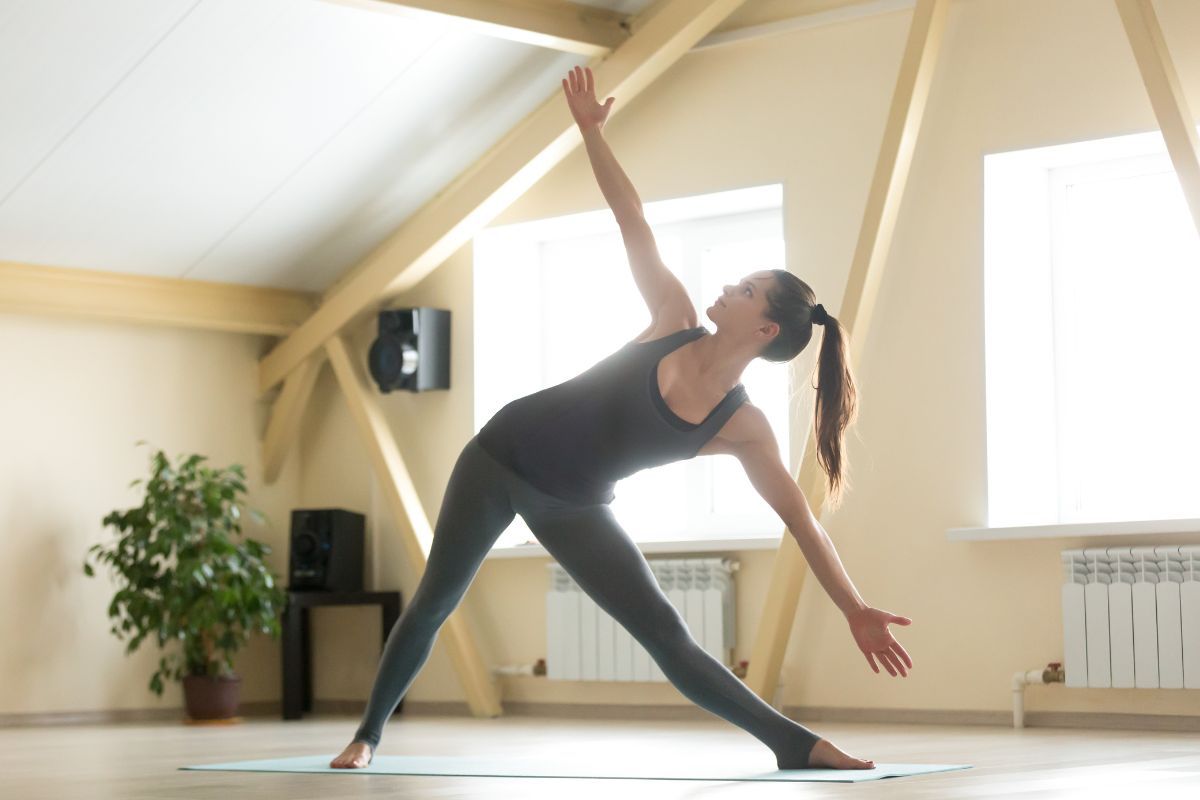
Source: yanalya on Freepik
If you’ve ever stepped into a yoga studio or scrolled through fitness classes online, you’ve probably seen the term power yoga pop up everywhere. And if you’ve wondered, “What exactly is power yoga?” you’re not alone. Despite its popularity, this style of yoga is often misunderstood.
Some people think it’s just “hard yoga,” some assume it’s basically cardio with a yoga mat, and others imagine it as a more intense version of Vinyasa. The truth sits somewhere in between.
Power yoga is one of the most energetic and fast-paced forms of yoga you can try. Instead of holding long, meditative poses, you flow from one movement to the next quickly, syncing your breath with each transition. Think of it as yoga’s athletic cousin: it’s sweaty, it’s dynamic, and yes, it can leave your muscles shaking in the best way.
What makes it interesting is that power yoga doesn’t follow a fixed sequence. While traditional styles like Ashtanga have set pose orders, power yoga gives instructors the freedom to design their own flow.
That means no two classes look the same, and you’re constantly challenged in new ways. It’s also why many people choose power yoga not just for flexibility, but for building strength, stamina, and cardiovascular fitness.
In this article, we’ll break down what power yoga actually is, where it comes from, why it’s so beneficial, and who it’s best suited for. And if you’re a studio owner or instructor, we’ll also explore how you can run power yoga classes more smoothly, with smart scheduling, seamless booking, and tools like Rezerv that help you manage everything behind the scenes.
Origins and philosophy of Power Yoga
Power yoga may feel like a modern workout trend, but its roots go deeper than most people expect. It began gaining popularity in the 1990s, especially in the United States, as yoga teachers started adapting the traditional Ashtanga system into something more flexible, athletic, and accessible for Western audiences. Instead of following Ashtanga’s strict, fixed sequence of poses, instructors created their own dynamic flows, and that’s how power yoga was born.
At the heart of power yoga is the philosophy of movement with intention. It blends the physical discipline of Ashtanga with the creative freedom of Vinyasa, allowing practitioners to move continuously while linking breath and motion.
This creates a practice that’s both grounding and energizing. You’re not just stretching or strengthening; you’re building a deeper awareness of how your body moves.
Another key part of its philosophy is internal focus. Even though power yoga is sweatier and faster than many traditional forms of yoga, it still encourages mindfulness. You’re challenged to stay present, maintain steady breathing, and tune into your body’s limits and possibilities. The idea is simple, when your mind and body work together in a fast-paced flow, you build not only physical strength but also mental resilience.
Over time, power yoga has evolved into a versatile style that fits different teaching approaches. Some classes lean more into strength, others feel more like rhythmic cardio, and some blend both. Yet its core remains the same, a practice built on purposeful movement, breath awareness, and the freedom to explore your own pace and intensity.
Key benefits of Power Yoga
One of the biggest reasons people gravitate toward power yoga is the wide range of benefits it offers in a single session. Because the movements are continuous and physically demanding, you’re working multiple parts of your body at once, and the results show up quickly.
Cardiovascular health: Research reviewed by the American Heart Association shows that exercises that elevate your heart rate, like power yoga, support heart health, improve circulation, and reduce the risk of chronic diseases.
Strength
Power yoga builds real, functional strength. Even though you’re not lifting weights, holding poses like Plank, Chaturanga, or Warrior II for longer periods forces your muscles to work hard against your own body weight. This targets your arms, core, legs, and back all at the same time. Over time, you’ll notice better muscle endurance and a stronger, more stable posture.
Flexibility
Unlike static stretching, the flow in power yoga warms your muscles as you move, making it easier to open tight areas safely. You’re constantly lengthening and engaging different muscle groups, which helps improve mobility and reduces stiffness. Many people find that their flexibility progresses faster in power yoga because the movements are active, not passive.
Stamina
Because the pace is quick and the transitions are constant, power yoga gives you a cardio boost similar to jogging or circuit training. Your heart rate stays elevated throughout the class, which helps build cardiovascular endurance. With regular practice, you’ll notice that daily activities, from climbing stairs to carrying groceries, start feeling easier because your overall stamina improves.
Beyond these three main benefits, power yoga also supports better focus, reduces stress, and helps with weight management. It’s a well-rounded practice that strengthens both the body and mind, making it a great option for anyone who wants a challenging yet mindful workout.
.jpg)
Source: katemangostar on Freepik
Who should practice Power Yoga
Power yoga is a great choice for anyone who enjoys movement that feels energizing, challenging, and structured. If you’re someone who likes a workout that keeps your heart rate up and leaves you feeling both strong and relaxed afterward, this style will likely resonate with you. It’s especially appealing to people who prefer active forms of exercise like HIIT, strength training, or circuits but still want the mind-body connection that yoga offers.
This practice is also ideal for individuals who already have a basic foundation in yoga. Knowing common poses like Downward Dog, Warrior I, or Plank can make the transitions smoother and help you avoid injury as the class picks up speed.
That said, beginners aren’t excluded, many studios offer introductory power yoga sessions that break down the movements at a more manageable pace.
People looking to improve their athletic performance often benefit from power yoga too. The combination of strength, flexibility, and stamina makes it a solid cross-training option for runners, cyclists, dancers, martial artists, and even weightlifters. It supports better mobility, improves balance, and helps reduce the risk of overuse injuries.
Of course, it’s important to listen to your body. Power yoga may not be the best fit if you’re recovering from an injury, dealing with joint pain, or managing certain chronic conditions.
Pregnant individuals or those with heart or mobility limitations should consult a medical professional or opt for gentler yoga styles. When in doubt, starting with a slower-paced class like Hatha yoga can build a safe foundation before transitioning into power yoga.
How studios can manage Power Yoga classes efficiently
Power yoga classes tend to attract students who love structure, energy, and consistency, which means studios need systems that can keep up with a fast-moving schedule. Managing these classes isn’t just about creating a great flow; it’s also about making sure bookings, payments, and staff schedules run smoothly behind the scenes.
When those operational pieces fall into place, instructors can focus on delivering high-quality sessions, and students get a better experience from start to finish.
One of the biggest challenges studios face is handling fluctuating class capacities. Power yoga sessions often fill up quickly, especially during peak hours. Without an organized booking system, overbooking, last-minute cancellations, and waitlist confusion can easily disrupt the flow.
This is where using a platform like Rezerv becomes a game changer. With automated bookings, real-time class updates, and digital waitlists, studios can keep classes full without the manual admin work.
Another important area is scheduling and staff management. Power yoga usually requires instructors with strong Vinyasa backgrounds and experience guiding fast transitions. Rezerv helps studios assign instructors, track their availability, and manage substitutions effortlessly. Instead of dealing with back-and-forth messages, everything is centralized, making it easier to plan weekly or monthly schedules.
Pricing can also be optimized. Many studios offer peak and off-peak power yoga sessions to balance attendance and improve revenue. Rezerv allows you to set different pricing tiers, track class performance, and understand which time slots consistently sell out. This helps studios adjust their schedules strategically and maximize studio usage.
Finally, streamlined check-ins and payment options make a huge difference in the overall experience. With Rezerv, students can book and pay online before arriving, check in quickly at the studio, and even receive automated reminders. It reduces front-desk workload and keeps classes starting on time, something power yoga students truly appreciate.
Conclusion
Power yoga is more than just a fast-paced workout, it’s a dynamic blend of strength, stamina, and mindful movement that challenges both the body and the mind. Its roots in Vinyasa and Ashtanga give it a strong foundation, while its flexible, instructor-driven structure keeps every class fresh and engaging.
Whether your goal is to build muscle, increase flexibility, boost endurance, or simply enjoy a more energizing form of yoga, power yoga offers a well-rounded practice that fits a wide range of fitness levels.
For students, it’s a great way to stay active and build confidence in what your body can accomplish. For studios, offering power yoga can attract a vibrant, committed community, as long as the operational side is handled smoothly.
Tools like Rezerv make it easier to manage class schedules, handle bookings, and support instructors, so the focus stays on delivering great sessions instead of juggling endless admin tasks.
At the end of the day, power yoga stands out because it makes you feel strong, focused, and recharged all at once. Whether you’re stepping onto the mat for the first time or looking to introduce this style into your studio lineup, power yoga is a powerful practice worth exploring.
Cheers,
Friska 🐨
Read next: How to clean a yoga mat: Basic supplies, disinfection, deep cleaning, drying
