3 Best Pilates software solutions in Malaysia in 2026
Compare the 11 best Pilates software platforms in Malaysia for 2026. Explore features, pricing, reformer booking, payments, AI tools and more.
.jpg)
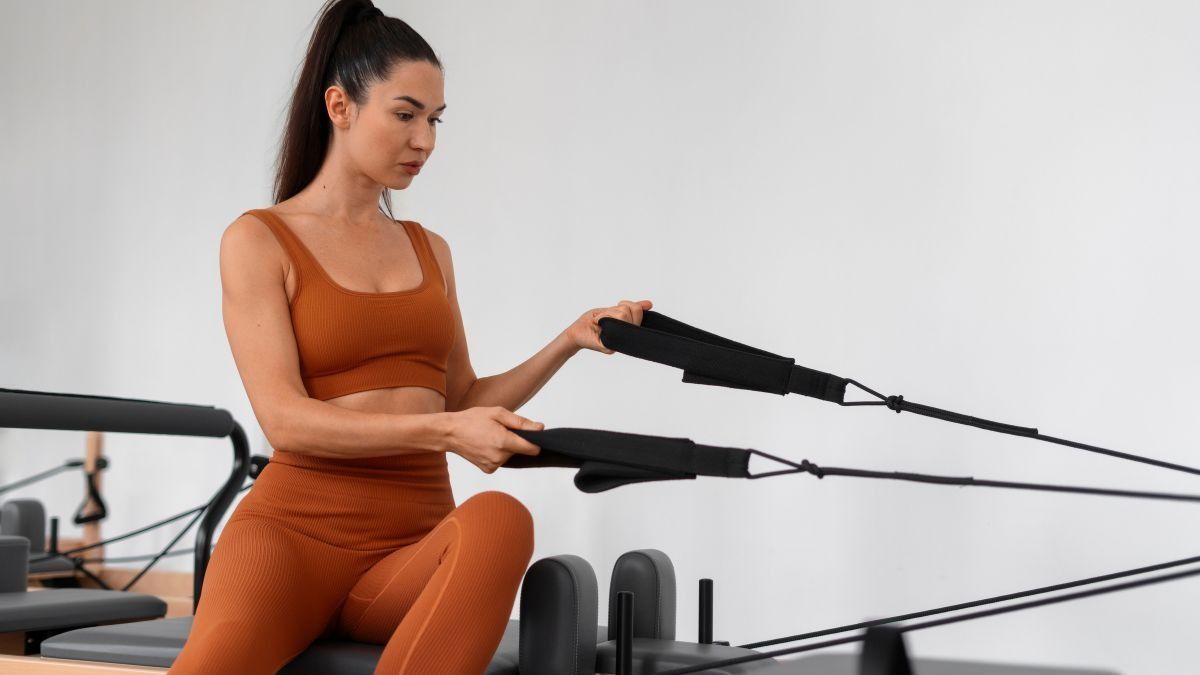
Source: Nicholas Fu on Pexels
It’s 10:12pm. You’ve taught four reformer classes today, and now you’re in bed going through 19 unread WhatsApp messages.
“Hi! Any reformer left for tomorrow 7am?”
“Done DuitNow transfer, see screenshot 🙏”
You open the spreadsheet, then your banking app. The transfer hasn’t come through yet. The client asking about the 7am slot used her last credit a fortnight ago. Tomorrow’s class already has eight names for eight reformers, and two more people want to know if anyone drops out.
If that sounds like your evenings, plenty of Malaysian studio owners know the feeling. A lot of Pilates studios start out on WhatsApp, Google Sheets and a banking app because none of it costs anything on day one. Then you add a second instructor, private sessions and a few more reformers. Before long, the admin is eating into the hours you meant to spend teaching or resting.
Pilates software takes that work off your plate. Clients can see which reformers are free, book and pay with FPX or an e-wallet, and get a reminder before class. Credits come off automatically, waitlists fill cancelled spots on their own, and you can finally see which time slots fill up and which ones lose money every week.
Choosing a platform is the tricky part. Most of the platforms on the market were built for studios in the US, UK or Australia. They bill in US dollars, treat card payments as the default, and their support teams are asleep when your 7am class is about to start.
So we’ve done the research for you. This article covers what Pilates software does, the features worth paying for, what Malaysian studios need to watch out for, what it costs in ringgit, and how to pick the right fit. At the end, we compare three of the best Pilates software solutions in Malaysia for 2026.
What is Pilates software?
Pilates software is an online system that helps Pilates studios manage class schedules, reformer bookings, class packs, memberships, payments and client records in one place. Clients use it to book and pay for sessions. Studio owners use it to run the business side of the studio.
You’ll also hear it called Pilates studio management software, Pilates booking software or a reformer booking system. Different vendors use different names, but they all do the same three things: keep your reformers full, keep credits accurate and match each payment to the right client.
Pilates also has a limit that general fitness tools often miss: every class is capped by equipment. A room with eight reformers takes eight clients. A tower or chair session might take three. A private session needs one instructor and one machine blocked out for the full hour. Good Pilates software knows those limits, so nine people never turn up for eight reformers at 7am.
Most Pilates software covers these basics:
- Class scheduling: set your weekly timetable for mat, reformer, tower and chair classes, cap each one by the equipment available, and assign instructors.
- Online booking: clients see which reformers are free and book one from their phone, whether it’s 6am or midnight.
- Class packs and memberships: sell intro trials, 10-class packs and monthly unlimited memberships, with a credit deducted automatically at every booking.
- Payments: clients pay when they book, by FPX, e-wallet or card, so you no longer have to check bank transfer screenshots by hand.
- Client records: each client’s booking history, remaining credits and notes, such as “lower back injury, avoid deep flexion”.
- Reports: see which time slots sell out, which ones run half empty and how much each class earns.
The more complete platforms add a branded website and mobile app, automated email and WhatsApp messages, digital waivers, instructor payroll, and appointment booking for private and duet sessions.
Rezerv’s Pilates studio software, for example, runs group reformer classes, private sessions and studio rentals from one dashboard, so you don’t need a separate app for each.
Pilates software suits studios of every size, including:
- independent instructors who rent a reformer or room by the hour and need a simple way to take bookings and payments
- boutique reformer studios running a full weekly timetable
- clinical Pilates and physiotherapy practices that mix one-to-one rehab sessions with small group classes
- multi-location brands and franchises that want one view across every studio
II. Why use specialised Pilates studio software?
Plenty of Malaysian Pilates studios start with a free setup: a WhatsApp Business account for bookings, Google Sheets for credits, a DuitNow QR code at the counter and the banking app for checking transfers. With one instructor and a handful of regulars, that works well enough, so many studios keep it far longer than they should.
As you grow, the gaps start to show. Generic tools were built for simple jobs like collecting a name or booking a haircut. A Pilates studio runs on class packs, memberships, equipment limits, late-cancellation rules and rotating instructors. None of those tools know how to connect all of that.
Here’s where specialised Pilates studio software pays for itself.
1. Credits that track themselves
A client buys a 10-class pack in January, comes three times, goes on holiday over Chinese New Year, then books four reformer classes in a single week. Someone has to update the spreadsheet after every visit. If they miss one update, the client gets a free class.
Pilates software deducts a credit the moment a client books, and it blocks new bookings once the pack runs out or expires. It can also apply your late-cancellation window automatically. A client who cancels two hours before class loses the credit, and your front desk doesn’t have to explain the policy in person.
2. A timetable built around your equipment
A typical Tuesday at a KL studio might start with a 7am reformer class for eight. Then there’s a 45-minute express session for the office lunch crowd, a tower class capped at three in the afternoon and a 15-person mat class at 8pm. Each one has a different length, capacity and instructor.
With Rezerv, you set the capacity, duration and instructor for each class. When someone calls in sick, you can put a substitute in their place, and everyone who booked gets notified automatically. That way, nobody turns up expecting their usual instructor and finds someone else teaching.
3. Privates, duets and teacher trainings
Private sessions often bring in more per hour than anything else a Pilates studio sells, and they’re the hardest to juggle by hand. Each one needs a free instructor and a free machine at the same time, and many clients rebook the same slot every week.
Rezerv puts one-to-one and duet appointments on the same calendar as your group timetable, so you can see every reformer’s day at a glance. Workshops and teacher training courses run with their own ticketing, pricing and capacity. They stay separate from your regular classes, so you can track how each one performed.
4. Less time matching DuitNow transfers
Payment screenshots are part of daily life for Malaysian small businesses. A screenshot shows that the client pressed “send”, though. You still have to open the banking app to check that the money arrived.
Rezerv connects with 2C2P, a payment gateway built for Southeast Asian payment methods, so clients pay in ringgit when they book. The booking and payment are recorded together, credits load straight into the client’s account, and your sales report updates on its own. For clients who’d rather pay at the counter, Rezerv’s pay later option lets them hold a spot first and settle up at the studio.
5. Booking in a few taps
Your clients book between meetings, in a Grab on the way home or while scrolling Instagram at 11pm. A mobile-friendly booking page or app shows live availability and lets them reserve a reformer in seconds, without waiting for you to reply.
Once a class fills up, the waitlist offers a spot to the next person as soon as someone cancels. Waitlists matter even more for Pilates, because once class starts, an empty reformer is revenue you can’t get back. Rezerv’s spot booking also lets regulars claim their favourite reformer ahead of time. You can keep WhatsApp for real conversations and let Rezerv send automated reminders and offers there through its Twilio integration.
6. Pricing that fits your clients
Malaysian studios rarely charge everyone the same price. You might run a three-class intro offer, a corporate wellness rate for a partner company in Bangsar South, a student discount, and cheaper credits for quieter 11am classes. Tracking all of that by hand usually ends with someone paying the wrong amount.
Rezerv’s pricing groups let you sell the same pack at different prices to different client groups. With Auto-Tagging, a client who buys a certain package is tagged automatically and unlocks member-only pricing or a hidden VIP package. Time-based pricing lowers drop-in rates or credit costs during off-peak hours to fill those midday slots.
Put together, specialised software takes care of Pilates-specific admin in the background. Your reformers stay full, and you get your evenings back.
Key features to look for in Pilates software
Every software vendor promises to make studio life easier. To find out which one actually will, look past the homepage at the features themselves. These are the ones that make the biggest difference to a Malaysian Pilates studio’s week.
1. Class scheduling
Building next month’s timetable should take minutes, not an evening. Look for a calendar where you can set recurring classes, assign instructors and cap each class by equipment: eight for the reformer room, three for the tower and 15 for mat. Moving a class to a new slot should be just as quick.
You’ll also need a way to clear classes in bulk. Studios close for Hari Raya and Chinese New Year, and instructors take a few weeks off for continuing education courses.
Rezerv’s Bulk Delete Schedule removes classes by day, by date range or from a set date onwards, and you can filter by class, instructor or location. Before anything is deleted, it shows which classes already have bookings. For each one, you can keep it, or cancel it and refund clients automatically.
2. Online booking and waitlists
Clients should be able to book, cancel and join a waitlist from their phone without messaging you. A good waitlist handles the follow-up on its own. When a spot opens, the next person in line gets it.
Extras like these help you fill more classes. On Rezerv, clients can book for a friend in the same go, pick their spot in the room, and check in by scanning a QR code at the door. That keeps the front desk moving when the 7pm crowd walks in straight from the office.
3. Packages and memberships
Your software should handle every way you sell classes: drop-ins, intro trials, 5, 10 and 20-class packs, unlimited monthly memberships and bundles of private sessions. Credits should come off automatically, and memberships should renew without anyone chasing them.
Rezerv adds a few extras that are useful around Malaysia’s festive promo seasons:
- Flexible membership start dates: clients can buy during a year-end or Raya promotion and start the membership later, within a limit you set.
- Pricing groups: sell the same pack at different prices to students, corporate partners or loyal members, or create members-only packages that stay hidden from everyone else.
- Time-based pricing: charge less, or fewer credits, for quieter 11am and 3pm classes.
- Shareable packages and family accounts: let a couple share one pack, or let a mother and daughter book under the same account.
4. Local payments in ringgit
You can’t skip this one. Clients should be able to pay in ringgit at a checkout they recognise, and they shouldn’t land on a foreign payment page that quotes US dollars.
Rezerv lets you sell packages and memberships in ringgit and take online payments through 2C2P. You can also record cash, card terminal and bank transfer sales manually. Rezerv charges 0% transaction fees on those manual payments, and every ringgit ends up in the same report.
5. Your own website and app
New clients often see your booking page right after they find you on Instagram, TikTok or Google Maps. It should look like your studio and load quickly on a phone.
Rezerv includes a no-code website builder with mobile-friendly templates. You can connect your own domain or add Rezerv booking to the website you already have. Studios that want a bigger presence can launch a branded app with their own logo and colours.
If you run ads, you can add your Meta Pixel, GA4, Google Tag Manager and TikTok Pixel IDs, along with UTM tracking. Then you can see which campaigns bring in clients who pay.
6. Automated marketing
Your current clients are the people most likely to buy again. The challenge is reaching them at the right moment, and that’s very hard to do by hand.
Rezerv has three automations for this:
- Promo codes on autopilot: when a client drops to their last two credits or their pack is about to expire, Rezerv sends them a discount code to renew.
- Auto-Tagging: clients who buy a membership are tagged automatically (for example, “Reformer Regulars”) or moved into a VIP pricing group, and they’re removed again when the membership ends.
- Email, SMS and WhatsApp: send campaigns and reminders by email, or by SMS and WhatsApp through a connected Twilio account. That matters in a country where your clients live on WhatsApp.
7. Digital waivers
Pilates attracts a lot of clients who are managing back pain, recovering from an injury, pregnant or postnatal. You’ll want a signed waiver on file before anyone gets on a reformer.
Rezerv lets you make a waiver required for specific classes. Staff can’t add a client to the booking until the client signs, and the system shows exactly which form is missing. Clients can also see what they’ve signed and when. Pair the waiver with client notes so every instructor knows who needs modifications.
8. Reports and staff payroll
You should be able to answer basic questions in seconds. Which time slots sell out? Which instructor brings in the most bookings? How much did the studio make last month?
Rezerv’s reports link attendance to revenue, track sales trends and show how each staff member contributes through bookings and sales. Payroll is built in, too. Salaries, bonuses and commissions are calculated automatically, which saves hours at month end, especially if you pay instructors per class plus a cut of their private sessions. For deeper analysis, Rezerv’s AI Business Insights flags revenue problems for you (more on that in section V).
9. Private and duet appointments
Group classes fill your timetable, while privates bring in the most per hour. Your software should let clients book a one-to-one or duet session online, with its own duration, price and instructor. The client shouldn’t need to message you three times to find a slot.
Rezerv runs appointments and group classes from the same system. Clients book a private in the same app they use for reformer classes, and you see both on one calendar.
Pilates studio software for Malaysian businesses
A lot of Pilates software looks polished in a demo and then gets awkward once you use it in Malaysia. Checkout shows prices in US dollars and has no FPX button. Reminders go out by email to clients who only read WhatsApp. Your support ticket gets answered while you’re asleep.
Before you sign up for anything, check how the software handles these local realities.
1. Payments in ringgit, through a checkout clients trust
Malaysians pay online in their own way. According to Worldpay data reported by Antom, FPX handles about 35% of e-commerce payments in Malaysia and digital wallets about 26%. Ipsos found that Touch ‘n Go leads the e-wallet market by a significant margin. A card-only checkout leaves a big group of clients stuck at the payment step.
Rezerv lets you sell class packs, drop-ins and memberships in ringgit and take payments through 2C2P. Your RM450 monthly reformer membership shows up as RM450. Clients pay in a few taps, and the money reaches your account with the booking already recorded.
2. Your software bill and the exchange rate
Many international platforms bill studios in US dollars. Mindbody, for example, lists plans from US$99 per location per month, and higher tiers run to several hundred dollars. If the ringgit weakens, the same plan costs you more, even though nothing at your studio has changed. Foreign digital services can also come with service tax on top.
When you compare options, ask which currency you’ll be billed in and whether the quoted price includes tax. If you’ll be billed in dollars, leave room in your budget for exchange rate swings. Section VII covers costs in more detail.
3. PDPA and your clients’ data
The Personal Data Protection Act 2010 (PDPA) sets the rules for how Malaysian businesses collect, store and use personal information. Pilates studios hold more of it than most owners realise: names, IC or passport details for some memberships, phone numbers, birthdays, and health notes about slipped discs, scoliosis, pregnancies or post-surgery recovery. Under the PDPA, information about a person’s physical or mental health is sensitive personal data. You generally need the client’s explicit consent to process it.
The rules got stricter in 2025. Amendments that took effect in stages up to June 2025 require businesses to notify the Personal Data Protection Commissioner as soon as practicable after a data breach. They also give clients the right to ask for their data to be moved to another provider and raise the maximum fine for breaching the data protection principles from RM300,000 to RM1 million, according to Mayer Brown. Larger operators may also need to appoint a data protection officer.
If client health notes currently sit in WhatsApp chats on your phone and in a shared Google Sheet, moving them into one secure system is a sensible first step. When you evaluate software, ask where client data is stored, who on your team can see it, and how you’d export or delete a client’s records on request. Rezerv’s privacy policy explains how client data is stored, protected and deleted. If you’re unsure about your own obligations, a PDPA specialist can review your setup.
4. e-Invoicing
LHDN raised the e-Invoice exemption threshold from RM1 million to RM3 million in annual revenue, effective 1 September 2026. Most single-location studios fall below that line for now.
Franchise and group setups need a closer look. According to 3E Accounting, e-Invoicing can still apply below the threshold if your company has a corporate shareholder, a holding company or a related company earning above it. If your studio grows past RM3 million, you’ll need to start issuing e-Invoices from 1 January of the second year after you cross it. Check your position with your accountant or on LHDN’s e-Invoice page.
When e-Invoicing does apply, it’s far easier if your booking system handles it. Otherwise someone has to retype every sale into a separate tool. Rezerv has e-Invoicing built in for Malaysian studios:
- e-Invoices on request: when a client asks for an e-Invoice, open the transaction and click Generate e-Invoice. Rezerv submits it to LHDN’s MyInvois portal for validation. The e-Invoice then comes back with a Unique Identification Number (UIN) and QR code, ready to send to the client.
- Monthly statements ready for MyInvois: download your Monthly Statement of Account in XML or JSON format and upload it to MyInvois for revenue reporting. Rezerv doesn’t submit these automatically, so studios that already file through their own accounting software can keep doing that.
- Validated invoices for your Rezerv subscription: the invoices for your own Rezerv plan are e-Invoices validated by MyInvois. You can download them from Settings > Billing for your tax records.
Rezerv’s guide to e-Invoicing for Malaysian businesses on Rezerv walks through each feature in more detail.
5. WhatsApp is where your clients already are
Malaysians run much of their lives on WhatsApp, from family group chats to food orders, and your clients expect to hear from you there. Software that sends reminders only by email will see many of them go unread.
With a connected Twilio account, Rezerv sends automated messages over WhatsApp and SMS as well as email. Class reminders, renewal offers when a pack runs low and campaigns to members go out on their own, and your personal WhatsApp stays free for real conversations with clients.
6. Support in your time zone
Problems tend to show up at the worst moment, like a payment page failing ten minutes before your Saturday 8am class. A support team in California won’t be at their desks.
Rezerv is based in Singapore, which shares Malaysia’s UTC+8 time zone, so its working hours match yours. Data migration is free and included in onboarding. That covers your client list, active packages and remaining credits, which makes switching from spreadsheets or another platform far less stressful.
Benefits of Pilates software for Malaysian Pilates studios
Features describe what the software can do. Benefits are the changes you notice in your week once it’s up and running. These are the ones Malaysian studio owners tend to see first.
1. You get your evenings back
If you spend an hour every night answering booking messages, checking DuitNow transfers and updating your spreadsheet, that adds up to about 30 hours of admin a month. That’s almost a full working week on tasks software can handle in the background.
Once clients book, pay and cancel on their own, most of those messages stop. Your phone goes quiet after 10pm, and the time goes back into teaching, planning new programmes or resting your own body for once.
2. Fewer empty reformers
Two no-shows in an eight-reformer class leave a quarter of the room empty. If a credit is worth RM70, that’s RM140 in spots a waitlisted client could have used, from a single class. Repeat that across a full week’s timetable and the losses add up quickly.
Automated reminders mean fewer clients forget. A clear late-cancellation policy tells them what happens if they don’t show up. Waitlists fill open spots without you stepping in. With Rezerv, the next person on the waitlist is notified automatically the moment someone cancels.
3. Steadier cash flow
When clients pay at the moment of booking, you stop carrying unpaid sessions on your books. Monthly memberships give you a predictable base income, which makes it far easier to plan rent, instructor pay and the springs you’ll need to replace on your reformers.
It also helps to time your offers to when people get paid. Many Malaysians get their salary between the 25th and the end of the month. A renewal campaign sent just after payday usually does better than one sent during the tight week before it.
Rezerv lets you send email campaigns to specific client groups whenever you choose. Its automations can also send a renewal discount as soon as someone’s pack runs low.
4. Clients who stick around
Winning a new client usually costs far more than keeping one you already have, especially if you’re paying for Meta or Google ads. Harvard Business Review puts the cost of acquiring a new customer at 5 to 25 times the cost of keeping an existing one.
Pilates clients who stay tend to stay for years, so keeping them is worth the effort. Rezerv’s Auto-Tagging can move a new member into a VIP pricing group the moment they buy, so better rates on future packs unlock straight away. Add automatic renewal offers and targeted emails to clients who’ve gone quiet, and you give people more reasons to keep coming back once the January rush fades.
5. Decisions based on real numbers
Most studio owners have a gut feeling about which classes are doing well. Reports tell you whether that feeling is right. You can see which time slots sell out, which instructors bring in the most bookings and which packages sell best.
Rezerv’s revenue reports link attendance to income, so you know exactly what each class earns. For a deeper look, AI Business Insights flags the changes worth acting on, from rising no-shows to clients at risk of leaving.
6. A more professional first impression
New clients often find you on Instagram, TikTok or Google Maps, or through a friend’s recommendation, and then go looking for a way to book. A clean booking page with live reformer availability and secure payment in ringgit builds trust before they ever walk in the door.
This matters even more in areas with lots of visitors and expats, like Mont Kiara, KLCC and George Town. A traveller who wants one reformer class during a three-day trip will book whichever studio lets them pay in two minutes, without a WhatsApp back-and-forth.
With Rezerv, you can build a branded website without coding, connect your own domain and launch a branded app with your studio’s logo and colours.
7. Happier instructors
Many Pilates studios mix full-time staff with freelance instructors, each on a different rate. Month-end payroll then means working out per-class fees, private session commissions and bonuses with a calculator. Every mistake leads to an awkward conversation.
Rezerv calculates salaries, bonuses and commissions automatically based on each instructor’s classes and sales. Your instructors get paid correctly, and you get those hours back.
8. Room to grow
Once the day-to-day runs smoothly, adding new income streams gets much easier. You can launch a weekend workshop series, rent reformers to freelance instructors, run a comprehensive teacher training course or open a second location, and your admin won’t double.
Rezerv handles classes, private sessions, workshops, courses, rentals and multiple locations from one dashboard, so you don’t need to add a new tool every time the studio grows.
How much does Pilates software cost in Malaysia?
Pilates software in Malaysia usually costs anywhere from a couple of hundred ringgit to a few thousand ringgit a month. Where you land depends on the features you need, the size of your studio and whether the provider bills you in ringgit or US dollars.
To work out the real cost, you need to know how the software charges you and what sits outside the headline price.
Common pricing models
Pilates software providers usually charge in one of these ways:
- Flat monthly subscription: one fixed price a month for a set list of features. It’s the easiest model to budget for.
- Tiered plans: a cheaper starter plan covers the basics. Higher tiers unlock things like marketing automation, payroll or a branded app.
- Per booking or commission: a small fee on every booking or sale. It’s cheap when you’re starting out and gets expensive as your reformers fill up.
- Per location or per staff member: the price rises with every instructor or studio you add.
- Free plans: usually capped at a small number of bookings or basic features, with paid upgrades for anything more.
Typical price ranges
As a rough guide, Pilates software falls into three groups:
- Entry-level booking tools: roughly RM150 to RM500 a month. Fine for scheduling, online booking and simple class packs, with limited marketing and reporting.
- All-in-one studio platforms: roughly RM500 to RM1,500 a month. Booking, payments, memberships, marketing automation, reports and staff management in one place.
- Enterprise platforms: RM1,500 a month and up, often per location and with setup fees or annual contracts. Built for large studios and multi-location brands.
Many of these tools are priced in US dollars, so the ringgit amount on your bank statement can change from month to month. Mindbody, for instance, prices its plans in US dollars and charges per location.
Hidden costs to watch out for
The monthly subscription is only part of the bill. Before you sign up, check for:
- Payment processing fees: gateways charge a percentage or a flat fee per transaction, and the rate differs for FPX, e-wallets and cards. Some software providers also add their own platform fee on top. Ask for both numbers.
- Messaging costs: WhatsApp and SMS messages are usually billed per message through providers like Twilio. A busy studio sending reminders for every class will notice them.
- Branded app fees: listing your own app on the App Store and Google Play often costs extra.
- Setup and migration fees: some providers charge to move your client list, packages and booking history across.
- Add-ons: advanced reporting, AI tools, extra locations or additional marketing campaigns may sit outside the base plan.
- Currency and tax: with US dollar billing, your bank may add a currency conversion fee, and foreign digital services can attract service tax.
- Contracts and cancellation fees: an annual lock-in makes it expensive to leave if the software turns out to be a poor fit.
Add all of these up to get the real monthly cost. Compare that figure across providers, and ignore the headline price.
Does it pay for itself?
Here’s a quick way to check. Say your software costs RM800 a month and a reformer credit is worth RM70. If reminders, waitlists and renewal offers fill 12 extra spots a month, the software has paid for itself. Every booking after that is extra income.
Then add the time you save. Getting back 20 to 30 hours of admin a month frees you to teach more privates, plan a workshop or take a proper weekend off.
What does Rezerv cost?
Rezerv has four tiers: Starter, Team, Business and Enterprise. Smaller studios can start with the essentials and upgrade as they add classes, staff or locations. Every plan includes booking, payments, package and membership management, and access to the support team. Paying annually saves 20%.
Rezerv works with payment partners that Malaysian studios already know, including Fiuu, 2C2P and Stripe. Clients can pay with FPX, DuitNow, Touch ‘n Go and GrabPay. Rezerv also keeps transaction costs low:
- No extra fees on online payments: you pay your payment gateway’s standard transaction fees, and Rezerv doesn’t add its own percentage on top.
- 0% transaction fees on manual payments: cash at the front desk, card terminal payments and bank transfers you record yourself go into Rezerv with no transaction fee from Rezerv.
Here’s what that means in practice. Say your studio brings in RM60,000 a month from class packs, memberships and privates. If your software adds a 1% platform fee on top of gateway fees, you pay your software provider RM600 a month, or RM7,200 a year, on top of your subscription. At 2%, it climbs to RM14,400 a year.
The busier your studio gets, the more those fees add up:

A studio making RM100,000 a month keeps up to RM24,000 a year. That’s enough to replace the springs and straps on a full room of reformers, or to cover several months of a part-time instructor’s pay.
Your payment gateway’s standard transaction fees still apply to online payments.
You can see current pricing on the Rezerv pricing page*, or contact the Rezerv team for a quote based on your studio’s setup. Starter, Team and Business all come with a free one-month trial, so you can test Rezerv with real classes and real clients before you commit.
*The Rezerv pricing page displays different pricing depending on the region it’s accessed from.
3 best Pilates software solutions in Malaysia in 2026
We compared Pilates studio software on the things that matter most to Malaysian studio owners: local payment methods, booking that works for reformer classes, Pilates-specific features, total cost and the quality of support. Here’s a quick overview before we get into the details.

1. Rezerv
Rezerv is an all-in-one booking, payment and management platform built for class-based studios. It’s our top pick for Pilates studios in Malaysia.
It covers everything from your weekly reformer timetable to month-end instructor payroll. Clients can pay with FPX, DuitNow, Touch ‘n Go and GrabPay through payment partners such as Fiuu and 2C2P, and manual payments carry 0% transaction fees from Rezerv. Capterra also named Rezerv Best Value 2025.
Why Malaysian Pilates studios choose Rezerv
- Built around your equipment: set capacity for each class to match your reformers, towers or chairs, assign instructors and swap in substitutes, with booked clients notified automatically.
- Built for how Pilates studios sell: intro trials, class packs, unlimited memberships and private session bundles, with credits tracked automatically. Flexible membership start dates suit year-end and Raya promotions.
- Pricing that fits your clients: pricing groups let you offer student, corporate or VIP rates on the same packs, and time-based pricing helps fill quieter midday classes.
- Local payments, low fees: clients pay in ringgit with the methods they already use, and cash, card terminal and manually recorded transfers carry 0% transaction fees from Rezerv.
- Bookings that fill reformers: waitlists, spot booking, group bookings, QR check-in and pay later, on the Rezerv app or your own branded website and app.
- Privates and more: one-to-one and duet appointments, workshops, teacher training courses and studio rentals, all run from the same dashboard as your group classes.
- Marketing on autopilot: Auto-Tagging, promo codes sent automatically when a pack runs low, and campaigns by email, SMS and WhatsApp through Twilio.
- Admin that runs itself: required waivers, automatic payroll with commissions, attendance and revenue reports, and AI Business Insights to flag rising no-shows or clients at risk of leaving.
- Room to grow: run multiple locations from one account, or link franchise and partner studios through the Organisation feature so clients can use their packs at any participating studio.
Support from real people
Rezerv’s support team is reachable through live chat and video calls, and it’s based in Singapore, in the same time zone as Malaysia. New studios get a dedicated WhatsApp support group for their first two months. Data migration from your current system is free, so your clients, packs and remaining credits come across at no extra cost.
Malaysian studios are already seeing results. Surya Yoga & Pilates Studio Kuchai has used Rezerv since 2023. The studio says Rezerv has “significantly reduce[d] administrative work by automating class bookings, attendance, and customer management.”
Best for: single and multi-location Pilates studios that want one system for bookings, payments, marketing and staff, with local payment methods and low fees.
Pricing: tiered plans (Starter, Team, Business and Enterprise), shown on the Rezerv pricing page*. Every studio can start with a free one-month trial.
2. Vibefam
Vibefam is a studio management platform for boutique fitness businesses, with a strong presence in Southeast Asia. It covers class and appointment booking, memberships, instructor payroll and a booking website. Its biggest focus is growth: a lead management engine helps studios follow up with trial clients, and AI marketing and retention tools are included on the top-tier plan.
Vibefam also integrates with ClassPass and offers family accounts and promo codes on its mid-tier plans.
Things to consider: Vibefam’s plans are priced in US dollars, though local currency quotes are available on request. FPX and GrabPay are listed only on its Most Popular and Professional plans, and its pricing page doesn’t mention Touch ‘n Go or WhatsApp messaging, so confirm both during your demo. A custom branded app and the AI Business Dashboard are paid add-ons on top of the subscription.
Best for: boutique studios that put lead conversion and retention at the centre of their growth plans and are comfortable on a mid-to-upper tier plan.
3. Mindbody
Mindbody is one of the biggest names in fitness and wellness software, used by studios, gyms and spas worldwide. Alongside scheduling, memberships, reporting and a branded app, it lists your studio on its consumer app, where people can discover and book classes nearby. That marketplace can help studios in areas with lots of travellers and expats.
Things to consider: Mindbody is designed mainly for the US market, and its subscriptions are priced in US dollars, starting from US$99 per location per month for the entry plan. Check which payment methods are available to Malaysian studios, especially FPX and local e-wallets, before you commit. Ask about contract length and cancellation terms during your demo too, since larger platforms often favour annual agreements.
Best for: larger studios and international Pilates brands with the budget for a premium platform that want exposure through a global marketplace.
*The Rezerv pricing page displays different pricing depending on the region it’s accessed from.
FAQs
What is Pilates software?
Pilates software is an online system that helps Pilates studios manage class schedules, reformer bookings, class packs, memberships, payments and client records in one place. Clients use it to book and pay for sessions, and studio owners use it to run the business side of the studio.
What can Pilates software do?
Pilates software lets clients book, pay and cancel online. It tracks credits and memberships automatically, sends booking reminders and manages waitlists. Most platforms also include client records, sales and attendance reports, and marketing tools. More complete platforms like Rezerv add payroll, digital waivers, private session booking, a branded website and app, and AI-powered business insights.
Who should use Pilates software?
Any Pilates business that takes bookings can benefit. That includes boutique reformer studios, multi-location brands and franchises, clinical Pilates and physiotherapy practices, and independent instructors who rent equipment by the hour. It’s especially useful once you’re running more than a handful of classes a week, or spending your evenings answering booking messages and checking transfers.
What is the difference between Pilates software and Pilates studio management software?
People mostly use the two terms interchangeably. “Pilates software” can describe anything from a simple booking tool to a full platform. “Pilates studio management software” usually means the full platform, which also covers payments, memberships, staff, payroll, marketing and reporting.
What is the difference between Pilates software and generic booking software?
Generic booking software is designed for one-to-one appointments, like a haircut or a consultation. Pilates software is built around how studios work: group classes capped by equipment, class packs with credits, memberships, waitlists, late-cancellation rules, rotating instructors, and privates running alongside group classes.
What features should Pilates software include?
At a minimum, look for class scheduling, online booking, waitlists, class pack and membership management, online payments, client records and reports. For a Malaysian studio, FPX, e-wallet payments and WhatsApp messaging matter too. Useful extras include automated marketing, digital waivers, payroll, a branded website and app, and appointment booking for private and duet sessions.
Can Pilates software manage reformer capacity?
Yes. You can cap each class at the number of reformers, towers or chairs in the room, so a class closes automatically once every machine is booked. Rezerv lets you set capacity per class, and its spot booking feature lets clients reserve a specific spot ahead of time.
Can Pilates software manage class bookings and waitlists?
Yes. Clients can see live availability, book and cancel from their phone, and join a waitlist when a class is full. With Rezerv, the next person on the waitlist is notified automatically when a spot opens. Clients can also book for a friend and check in with a QR code at the door.
Can Pilates software manage memberships and class packs?
Yes. Pilates software deducts a credit each time a client books, returns it when they cancel within your policy, and stops bookings when a pack runs out or expires. Rezerv adds pricing groups for student or corporate rates, time-based pricing for off-peak classes, and flexible membership start dates for festive promotions.
Can Pilates software process payments in Malaysia?
Many platforms can, but support varies a lot, especially among tools built for the US or European market. Rezerv lets Malaysian studios sell class packs, drop-ins and memberships in ringgit and take online payments through local payment partners. Manual payments like cash and card terminal sales carry 0% transaction fees from Rezerv.
Does Pilates software support FPX and e-wallets?
It depends on which payment gateways the software integrates with. Look for providers that support FPX, DuitNow and popular e-wallets, so clients can pay without being sent to a foreign checkout page. Rezerv supports FPX, DuitNow, Touch ‘n Go and GrabPay, and you can also record cash, card terminal and bank transfer payments manually.
Can Pilates software manage Pilates instructors?
Yes. You can assign instructors to classes, manage their availability and bring in substitutes when someone is off sick, with booked clients notified automatically. Rezerv also calculates salaries, bonuses and commissions automatically, which helps if you pay instructors per class plus a share of their private sessions.
Can Pilates software manage private and duet sessions?
Yes. Most Pilates software supports one-to-one and small-group appointments alongside group classes. With Rezerv, you can set up private and duet sessions with their own pricing, duration and instructor, and manage them on the same calendar as your reformer classes.
Can Pilates software manage workshops and teacher training?
Many platforms can. Rezerv lets you create workshops and courses separately from your regular timetable, each with its own ticketing, pricing and capacity. Events can run in person, online or as hybrid sessions, and you can track how each one performs.
Can Pilates software manage multiple studio locations?
Yes, many platforms support multiple locations. Rezerv lets you run several studios from one account and filter schedules, staff and reports by location. For franchise brands and partner studios on separate accounts, Rezerv’s Organisation feature links them so clients can use the same class pack at any participating studio.
Does Pilates software support WhatsApp?
Some platforms do, and it’s worth checking before you sign up, since most Malaysian clients read WhatsApp long before email. With a connected Twilio account, Rezerv sends automated class reminders, renewal offers and campaigns over WhatsApp and SMS, as well as email.
Is Pilates software compliant with the PDPA?
Compliance depends on both the software provider and how your studio collects and uses client information. Pilates studios often hold health details like injuries or pregnancies, which count as sensitive personal data under the PDPA. When evaluating software, ask where client data is stored, who can access it, and how records can be exported or deleted on request. You can review how Rezerv handles data in its privacy policy.
Does my Pilates studio need e-Invoicing?
Probably not yet if you run a single studio. LHDN raised the e-Invoice exemption threshold to RM3 million in annual revenue from 1 September 2026. Franchise and group setups may still need it if a related company earns above that threshold. Check with your accountant or on LHDN’s e-Invoice page.
If e-Invoicing applies to you, Rezerv can generate MyInvois-validated e-Invoices for individual transactions, each with a UIN and QR code. You can also download monthly statements in XML or JSON to upload to MyInvois.
Can Pilates software help reduce no-shows?
Yes. Automated reminders mean fewer clients forget, clear late-cancellation rules set expectations, and waitlists quickly fill spots that open up. Rezerv’s AI Business Insights also shows how much revenue you’re losing to no-shows and late cancellations, so you can see whether your changes are working.
Can Pilates software help with client retention?
Yes. Pilates software can flag clients who’ve stopped coming, send renewal offers before a pack runs out and reward loyal members. Rezerv’s automations send a promo code when a client’s credits run low, and Auto-Tagging can move new members into a VIP pricing group with better rates on future packs.
Can Pilates software include marketing automation?
Many platforms include it. Rezerv lets you automate renewal offers, tag clients based on what they buy and send targeted email campaigns, plus SMS and WhatsApp messages through a connected Twilio account. You can also add your Meta Pixel, Google Analytics, Google Tag Manager and TikTok Pixel IDs, along with UTM tracking, to measure your ads.
Does Pilates software include a mobile app?
Most modern Pilates software includes a mobile app or a mobile-friendly booking page. Rezerv gives clients the Rezerv app for booking and checking schedules, and studios can also launch a branded app with their own logo and colours.
Can Pilates software support online Pilates classes?
Yes, many platforms can. Rezerv lets you schedule online mat sessions alongside in-person classes, keep the formats separate and send automated messages to participants. Workshops and courses can also be set up as in-person, online or hybrid.
How much does Pilates software cost in Malaysia?
Pilates software in Malaysia ranges from a couple of hundred ringgit to a few thousand ringgit a month. The price depends on features, studio size and whether you’re billed in ringgit or US dollars. Also factor in transaction fees, messaging costs, branded app fees and add-ons. Rezerv’s pricing is on its pricing page*, and every studio can start with a free one-month trial.
How do I choose the right Pilates software?
Start by listing how your studio runs, from class types and equipment to payment methods. Then check support for local payments, test the booking flow on your phone, work out the total monthly cost, test the support team and ask about data migration. Finally, run a free trial with real classes and real clients before you commit.
How long does it take to implement Pilates software?
A simple setup with a timetable, a few class packs and a booking page can be ready within a few days. Larger studios moving years of client data, active packs and memberships usually need a few weeks. Rezerv includes free data migration and a dedicated WhatsApp support group during your first two months of onboarding.
Can I migrate from spreadsheets or another Pilates software?
Yes. Most providers can import your client list, and many can also bring over active packs, memberships and booking history. Rezerv handles data migration for free as part of onboarding, so your client list, packages and remaining credits come across without an extra bill or manual re-entry.
What is the best Pilates software for a small studio in Malaysia?
For small Pilates studios in Malaysia, Rezerv is a strong choice. Its tiered plans let you start with the essentials and upgrade as you grow. Clients pay with FPX, DuitNow, Touch ‘n Go or GrabPay, and data migration is free. You can test it with your own classes during the free one-month trial.