7 ways to build a wellness brand that clients trust + 7 great examples
This guide covers seven wellness-specific trust marketing tactics.
Building a wellness brand without trust is practically impossible in the current wellness industry climate.
A few years back, trust was a premium brand differentiator. It was the branding element that allowed businesses to charge higher prices for their products and services.
What is more, positioning their brand as a credible entity allowed business owners to attract more discerning, quality-oriented clients (who also had the potential of remaining loyal).
However, the situation is much different in 2026. Trust is no longer optional. Now, it’s a key factor within the typical buyer’s journey. It’s the prerequisite for getting your target audience to consider becoming a customer. And it’s what you need to work on if you want to build a wellness brand with long-term success potential.
But what earns client trust in the wellness industry? More importantly, how can you ensure your brand enjoys a credible, dependable reputation?
This guide covers seven wellness-specific trust marketing tactics. Additionally, it provides seven great examples of wellness brands implementing these strategies in the real world, showing how these methods work and how you can apply them to your brand’s online presence.

Source: Pexels
1. Use precise language, not sales jargon
Perhaps one of the biggest obstacles to earning trust in the wellness industry is that most businesses operating in this vertical sell aspirational solutions.
At the end of the day, it doesn’t matter whether you offer specialized services, training guidance, mental health care, or supplements. The key to building awareness and interest lies in marketing these solutions as the ideal answer to your target audience.
Traditionally, this was done by making impressive claims and promises. Wellness brands would promote their products as all-powerful, universally effective solutions to consumers’ health-related pain points. And they would gradually build their brands on these sales-oriented claims.
Now, this approach worked for a long time. But its primary drawback was that its results were short-lived. A product or service would gain traction and awaken consumer interest. Then, as more and more people realized it wasn’t all it claimed to be, it slowly lost authority until it became practically undesirable.
One of the best indicators that grandiose value propositions aren’t that beneficial for brand-building is that shoppers are losing trust in wellness products and services.
According to research, 25% of global consumers lack trust in the effectiveness of wellness products or services. And this confidence mismatch is actively stopping them from making healthier choices (and buying).
So, the best tactic for earning customer trust and using it to drive business growth isn’t to make impressive claims. Instead, it’s to use precise language. In other words, the most trust-inspiring marketing messaging is that which highlights outcomes your business can genuinely deliver.
Example: Brightline’s data-driven messaging
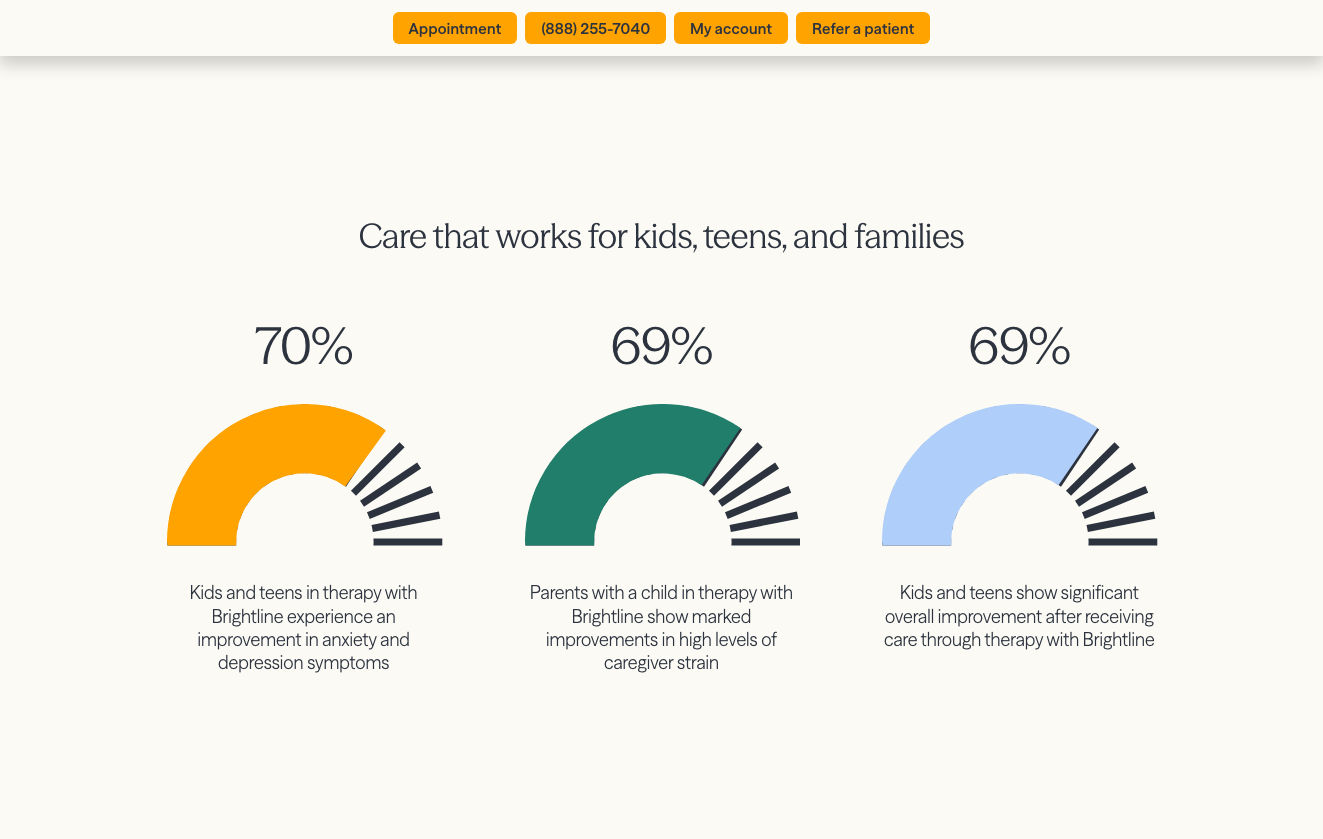
One of the best examples of this trust-building strategy in action comes from Brightline. This business offers mental health care for kids and teens. But its approach to marketing its services isn’t to promise ideal outcomes. Instead, Brightline prioritizes trust and transparency by using data to show what it can offer.
In the ‘Care that works for kids, teens, and families’ section of its homepage, this business claims that 70% of its clients experience improvement in anxiety and depression symptoms, that 69% of parents show improvements regarding caregiver strain, and that 69% of kids show significant overall improvement after receiving care through Brightline.
Source: brightline.com
2. Support claims with science-backed evidence
What do consumers in the wellness industry require from brands, in terms of trust and credibility? The answer may lie in proof of efficacy.
One of the most prominent consumer behaviors affecting brand performance is the elevated demand for solutions with guarantees.
Recent data suggests that 25% of wellness consumers are maximalist optimizers. These buyers experiment with a wide range of health and wellness products. More importantly, they conduct extensive research to find the best solutions to their needs. What’s interesting is that they account for more than 40% of market spend.
In other words, about one-quarter of wellness consumers seek out science-backed, doctor-approved solutions. And they’re willing to spend more, as long as that means receiving higher-quality solutions.
So, one of the best ways to build the credibility of your wellness brand is to support all your claims with science-backed evidence.
Show lab reports and certificates that validate your value propositions. And don’t hesitate to go into the more technical aspects of what makes your products or services effective. Consumers in the wellness industry often care about this information. So, evidence-seeking buyers are sure to appreciate such resources. As for those who aren’t as focused on the science behind your offering, they won’t begrudge you for taking the time to validate your claims.
Example: Brain Ritual’s detailed science page
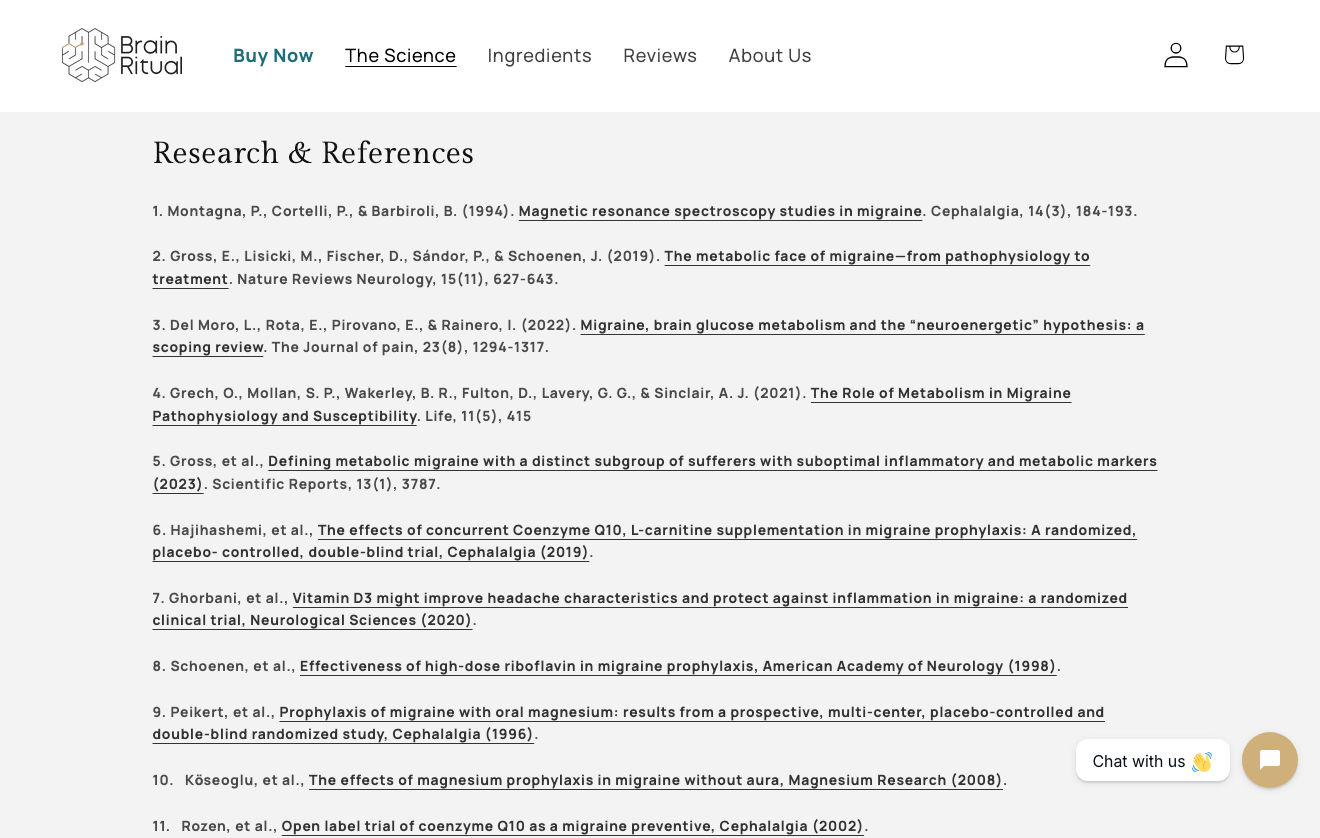
To see an excellent example of this trust-building approach in a real wellness brand’s marketing strategy, check out Brain Ritual. On its Science page, this business takes a deep dive into what causes migraines and how nutrients may be the key to relief.
By explaining, in approachable terms, the connection between energy levels, nutrients, and brain fuel, Brain Ritual creates a scientific framework that effectively validates the brand’s claims. As for shoppers who fall into the ‘maximalist optimizer’ consumer category, the Research & References section provides links to scientific research papers that support all of the info provided by the brand.
Source: brainritual.com
3. Prioritize label transparency
Although it’s not always discussed in the context of building a wellness brand clients trust, label transparency is a hugely important aspect of business credibility in the industry.
The reason is simple. Misleading claims have resulted in high levels of consumer skepticism about wellness brands’ promises. And many people have taken to checking and verifying most value propositions.
According to research from 2026, one-quarter of consumers use third-party label-scanning apps to analyze the quality of ingredients and potential risk factors of the supplements they use. Even more, 87% of people would put a product back on the shelf if it was flagged by an app for poor or undesirable ingredients.
So, when aiming to build brand trust in the wellness industry, note the importance of label transparency. It’s not just an evaluation factor. Instead, it is a fundamental driver of credibility and conversion.
Show what your products include. Additionally, document your supply chain for full transparency. The latter of these tactics is particularly important for building brand authority, especially in industries where most businesses sacrifice product quality for lower production costs.
Example: Mind Lab Pro’s ingredients list
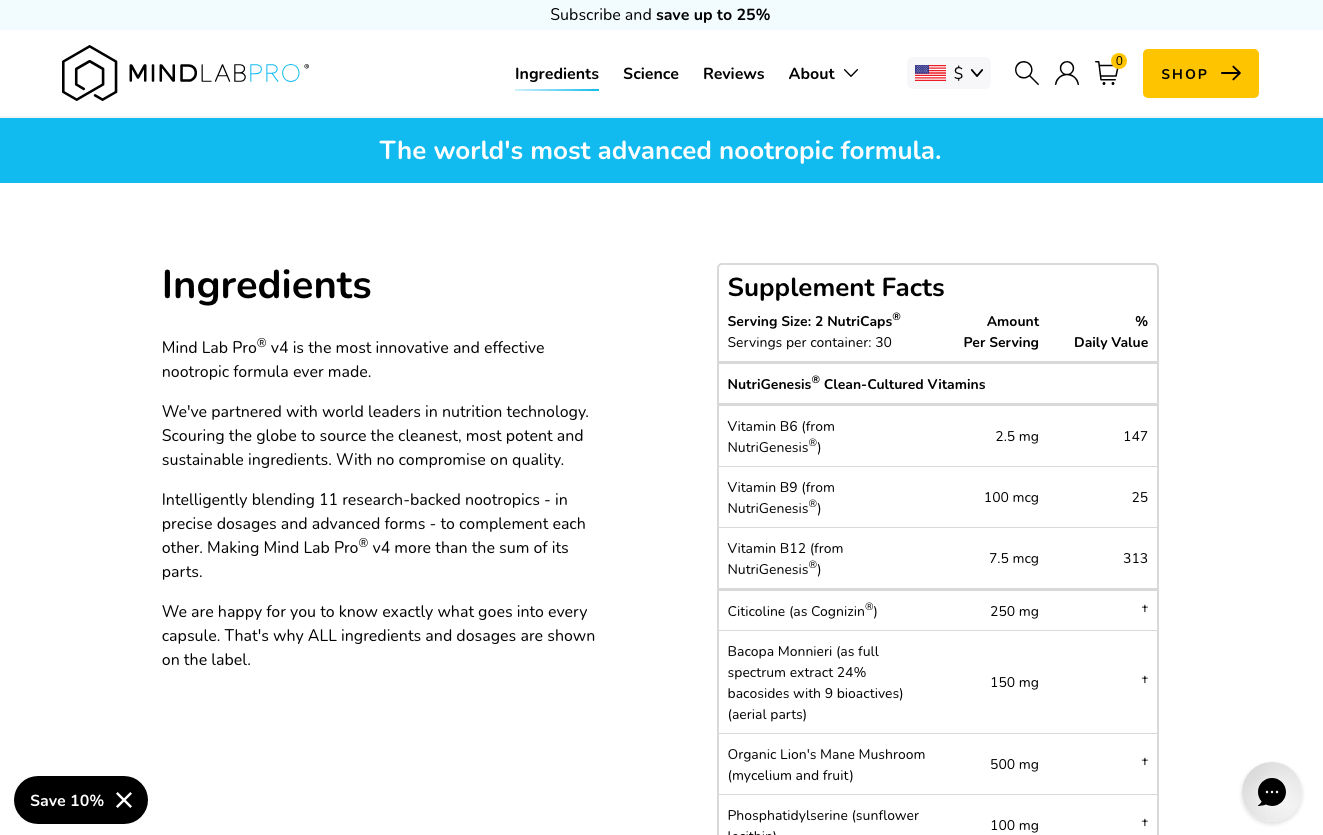
Mind Lab Pro’s Ingredients page is a tremendous example of what trust-building label transparency looks like in practice.
As a brand that sells nootropic supplements, Mind Lab Pro understands that it has to justify the use of each ingredient in its proprietary formula. But it doesn’t just stop at telling potential customers why it uses specific components.
More importantly, Mind Lab Pro lists the benefits and effective dosage of each ingredient, along with scientific citations supporting its formulation as an effective solution for boosting cognitive performance.
Source: mindlabpro.com
4. Collaborate with expert brand ambassadors
An interesting fact about trust-building in the wellness industry is that influencer marketing still works. While many verticals report that consumers’ trust in influencers is eroding, research suggests the opposite is true in health, fitness, and nutrition.
According to new research, 42% of women and 37% of men get information from health and wellness influencers. And this tendency is particularly prominent among people aged 18 to 50.
For brands exploring opportunities to build trust, this is a clear signal that collaborating with the right ambassadors pays off. However, while content creators and influencers can be excellent partners in building brand and product awareness, they’re not necessarily the right choice for businesses targeting more discerning consumer segments. Primarily because their credibility can be fragile.
To accomplish more long-lived trust-building results, prioritize featuring expert voices in your industry.
For instance, knowing that 66% of Gen Z consumers trust brand experts and scientists, hiring such ambassadors to promote your solutions could be a smart move. Furthermore, with new data suggesting that people are most willing to trust unpaid brand ambassadors, it’s clear that social proof still plays a major role in building credibility for your wellness business.
Example: PerformanceLab’s ambassador endorsements
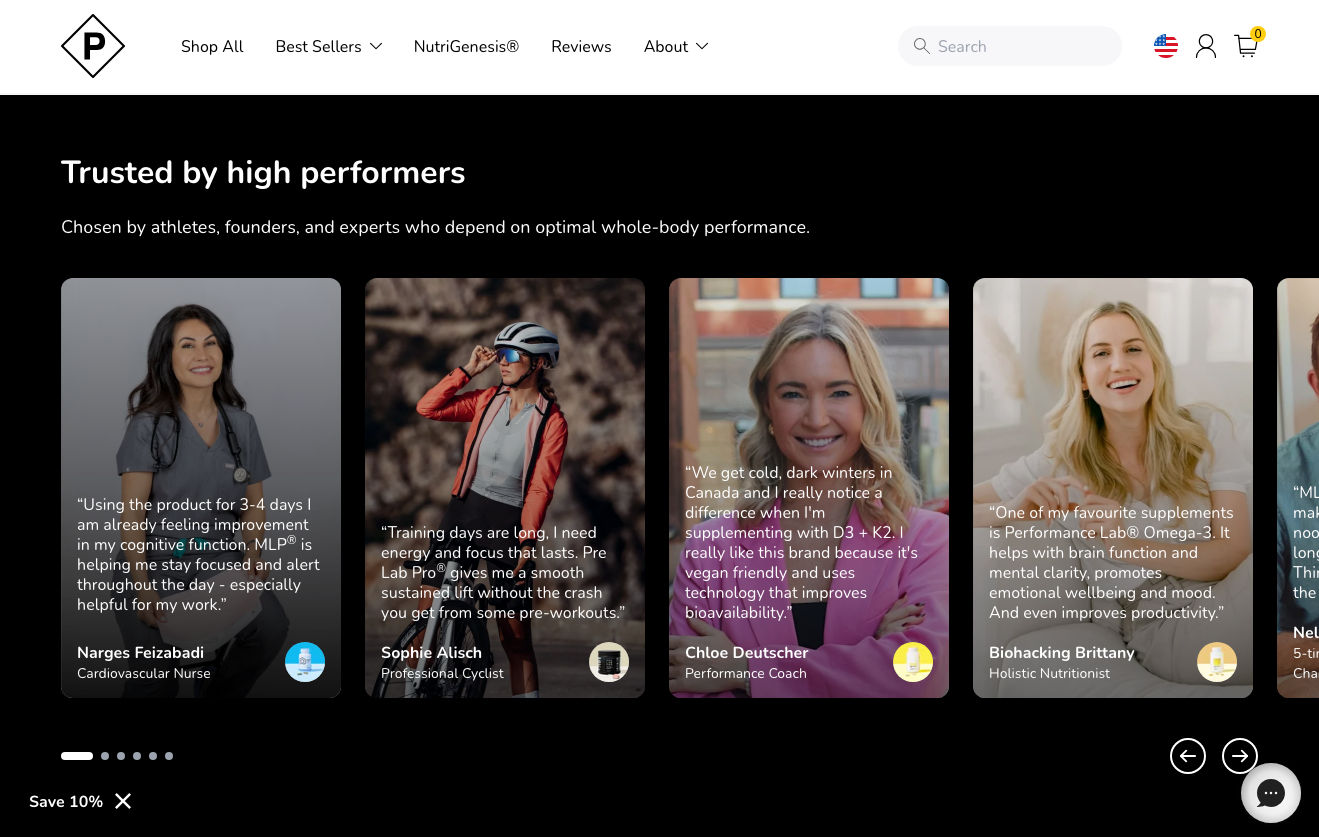
One of the brands whose trust marketing strategy you should definitely take notes from is PerformanceLab. As a business that sells ultramodern nutrition technologies, PerformanceLab relies on endorsements from professional athletes, founders, and industry experts.
The approach works for two primary reasons.
On the one hand, the positive feedback from these authorities backs the brand’s claims.
On the other hand, their ambassadorship creates additional visibility for PerformanceLab’s products in relevant industry segments, establishing awareness that is initiated by a position of trust and credibility.
Source: performancelab.com
5. Build brand & service awareness through educational content
The health and wellness industries are rapidly evolving to populate and exist in digital spheres. Sometimes even exclusively.
Research suggests that 70% of global consumers and 79% of Gen Z already use health tech. These include wearables, telehealth, and online prescription services. Moreover, younger generations are more likely to use digital health tools and AI insights to guide their care. Additionally, many people are interested in AI-assisted diagnosis, as long as it’s leveraged and reviewed by their doctor.
Admittedly, these findings may not directly relate to your wellness brand’s products and services. Nevertheless, they do uncover a trend, signaling increasing interest in high-quality, hyper-relevant, digitally available health and wellness support among large consumer segments.
So, if you can produce and distribute educational content marketing resources needed in your specific industry, then you can use that opportunity to position your brand as a trustworthy, expertise-driven authority. More importantly, such resources can help you build brand and product awareness and boost purchase intent.
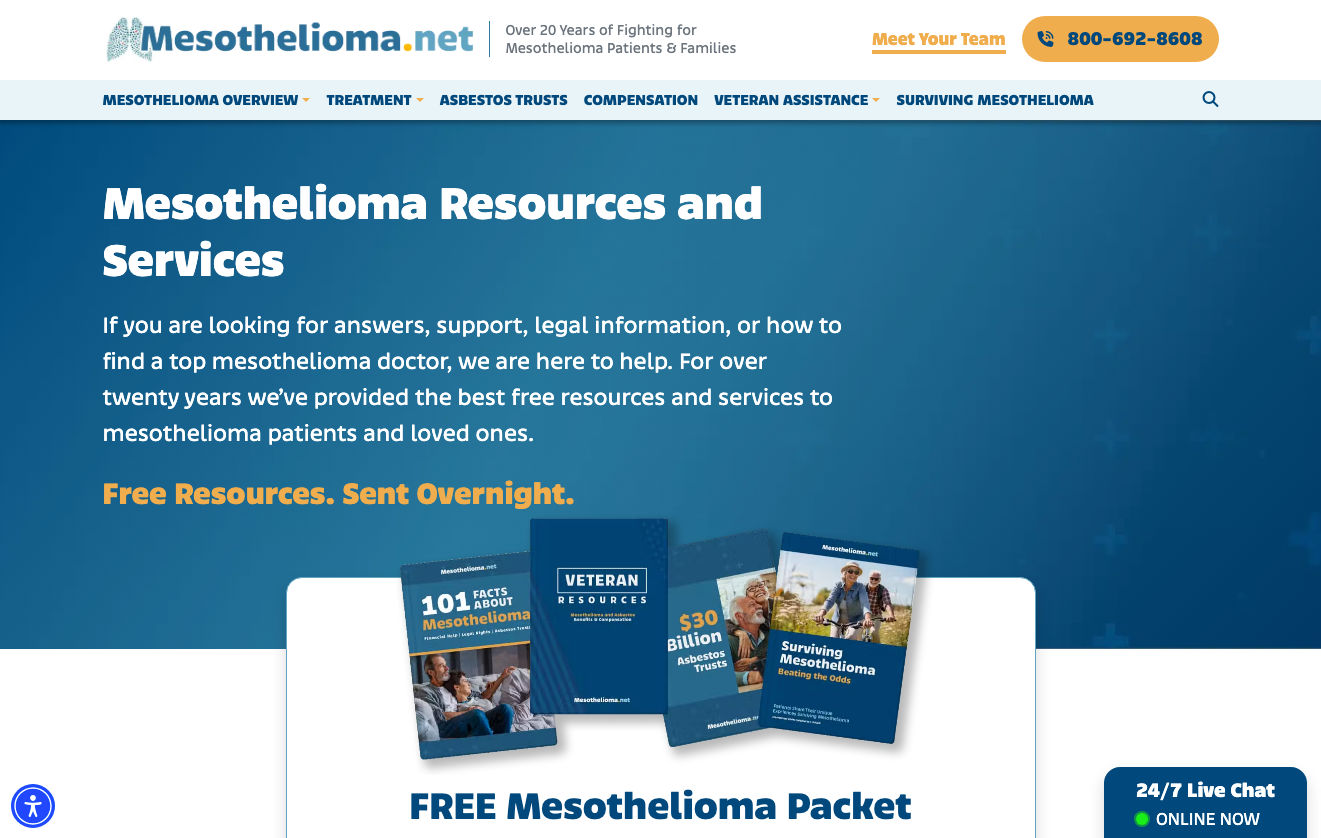
Example: Mesothelioma.net’s Detailed Free Resources
Mesothelioma.net is a great example of a brand whose credibility and industry prominence rest on its content marketing strategy.
By creating incredibly detailed and informative resources, this business doesn’t just provide leads with immense, unique value. More importantly, this type of content attracts high-quality website traffic by targeting prospects in the top-to-mid stages of the buyer’s journey. Furthermore, the content validates the organization’s expertise and experience, both of which are key factors in earning customer trust and convincing potential clients to make a conversion decision.
Source: mesothelioma.net
6. Connect through empathy and value-based relationship-building
Health and wellness (and even fitness, for that matter) can be sensitive subjects for many people. And most consumers are tired of brands pretending they care about them.
Consumer behavior research regularly suggests that people want brands to treat them with care and respect. They don’t want to be a number or a source of income. And they truly expect empathy and brand relationships instead of purely transactional interactions.
Some brands are managing to provide their audience with these. Others are failing miserably. And they’re paying for it. According to new evidence, 73% of people would abandon a business if they suspected it of faking empathy.
But customer-brand relationships and a feeling of connectedness are not the only emotional layers of trust.
Personal values also play a major role in determining whom consumers perceive as credible. And they even influence buying decisions. In fact, the latest data shows that 61% of people tend to buy brands that reflect their personal values.
This data suggests that building a wellness brand clients trust isn’t solely dependent on rational factors (like credibility or social proof). Instead, positioning your business as credible and authoritative needs to involve customer relationship-building, a strong commitment to empathy, customer-centricity, and value-based marketing.
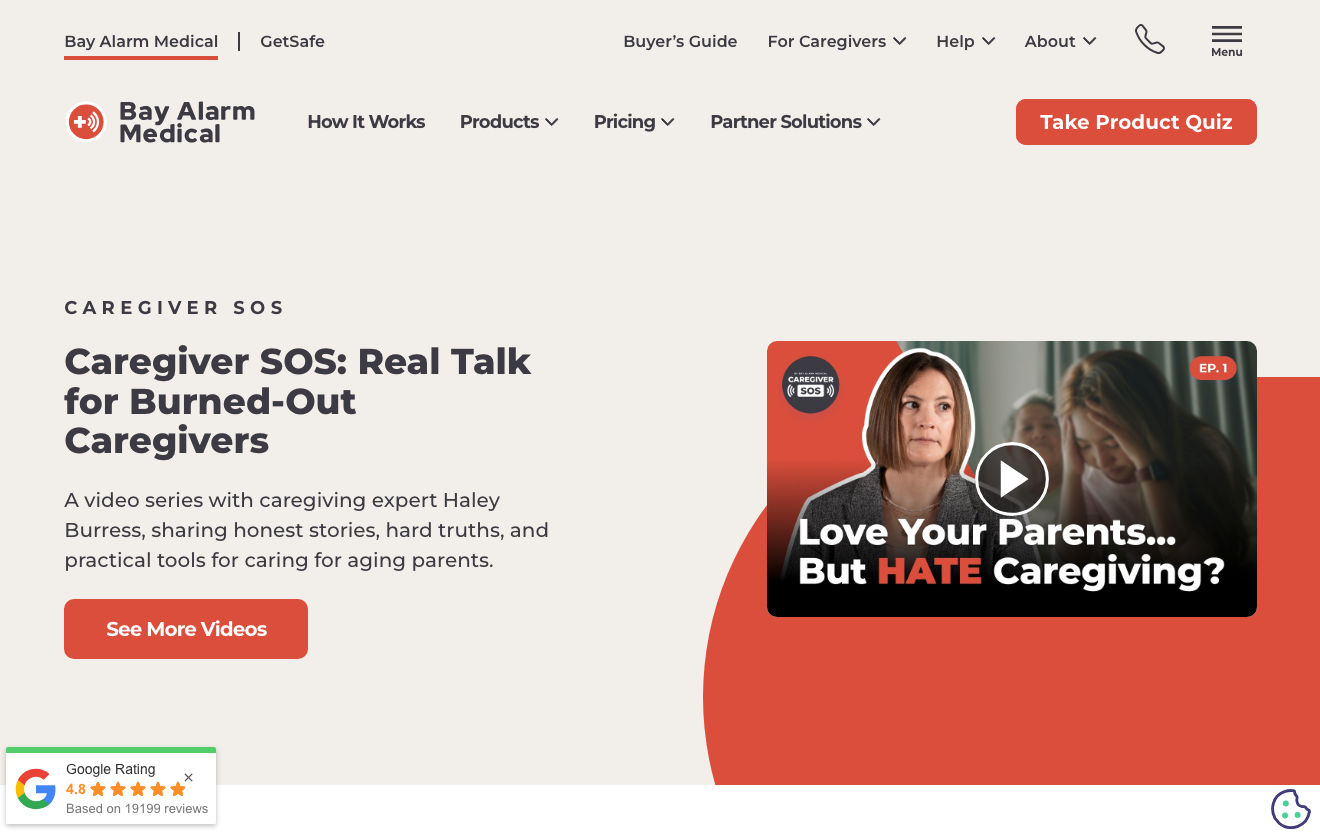
Example: Bay Alarm Medical’s empathetic guides
In practice, this means that your attempts to earn your potential customers’ business have to account for the emotional aspects of the customer experience. Bay Alarm Medical does it beautifully by acknowledging and validating its target audience’s feelings in the Caregiver SOS series.
With these resources, the brand doesn’t just demonstrate its understanding of the pressures its prospects face daily. More importantly, it provides them with valuable tips. Plus, it offers emotional support, which is particularly essential for customers who are likely to be experiencing burnout and frustration.
Source: bayalarmmedical.com
7. Be vocal about what you don’t (or won’t) do
Building a successful brand in the (competitive) wellness industry requires strong differentiation, and this doesn’t just pertain to everything you do better than your competitors. It’s equally important to distance your organization from bad and outright unethical practices in your niche.
This is crucial for building brand trust, and not only because it helps you position your business regarding the values it stands for. Many consumers judge and evaluate companies based on how (and whether) they address relevant industry issues.
For example, research found that 53% of consumers assume that companies that stay silent on industry issues are either doing nothing or doing something wrong.
So, the cost of silence about what you don’t (or won’t) do isn’t just the failure to align your brand with your target audience’s values. Rather, it’s risking your ability to position your business as an entity that can be trusted.
The easiest method to act on these insights is just to be vocal about practices you won’t uphold. List the ingredients you won’t use in your products (you can even say why). Or simply state why you don’t want to make specific promises.
Example: Girls Gone Strong’s brand beliefs page
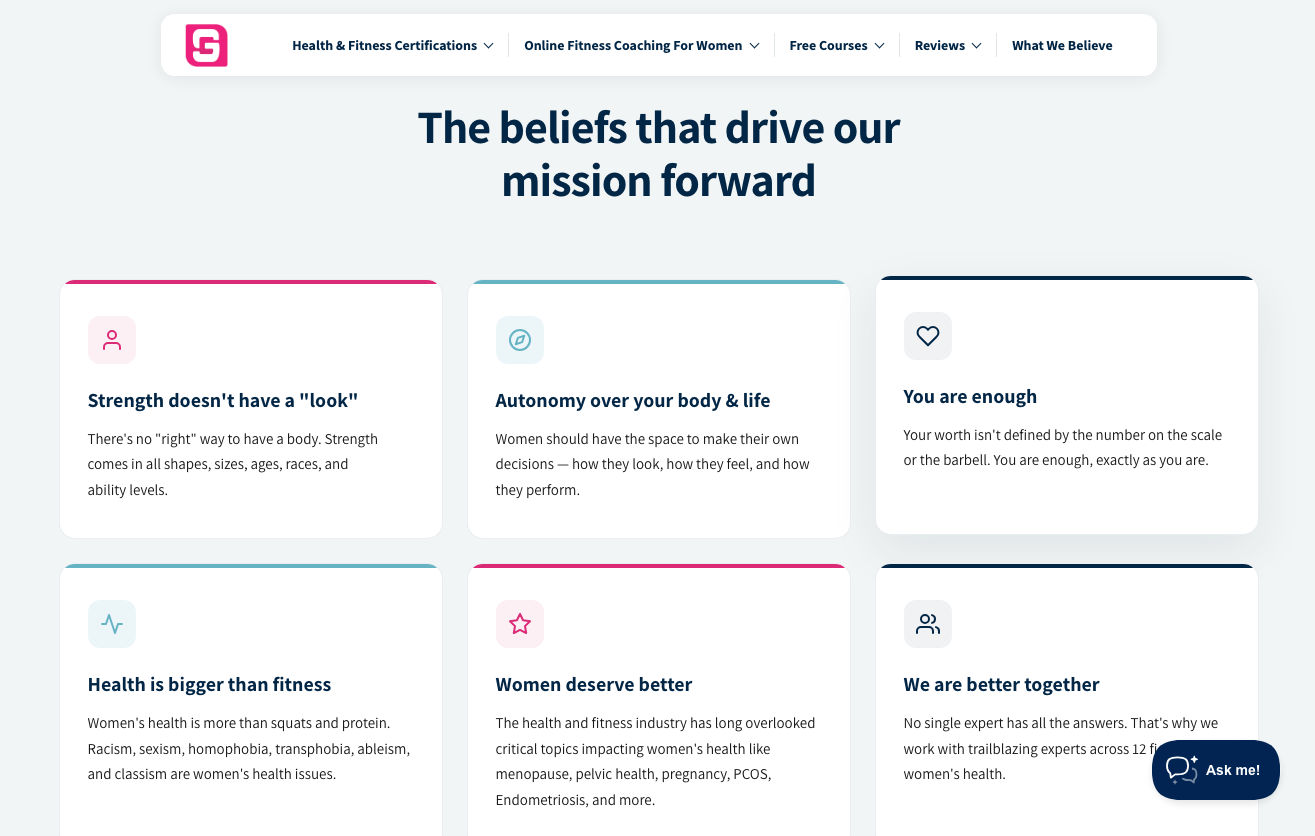
The Girls Gone Strong What We Believe page is an excellent example of what this looks like in the real world. It’s a sort of mission statement about the brand’s practices and beliefs.
By making statements such as “strength doesn’t have a look,” and “women should have the space to make their own decisions” about their looks and performance, Girls Gone Strong strongly distances itself from unhealthy industry practices.
Moreover, by pointing out that no single expert has all the answers, which is why it works with specialists in 12 different fields, the brand further positions itself as a trustworthy entity that won’t prioritize impressive claims over the wellbeing of its customers.
Source: girlsgonestrong.com
Final thoughts
Building a trustworthy wellness brand may have its industry-specific challenges. But it’s entirely doable with the right approach.
To ensure your organization enjoys a positive reputation, implement the tactics discussed in this guide.
Always prioritize precision and objectivity in your messaging. Use third-party data to support your claims and ensure label transparency. Collaborate with the right brand ambassadors. Invest in valuable educational content to reach new leads. Build relationships with your ideal customers. Finally, use value-based messaging to differentiate your brand from competitors.
Read next: How to run a multi-location wellness business efficiently