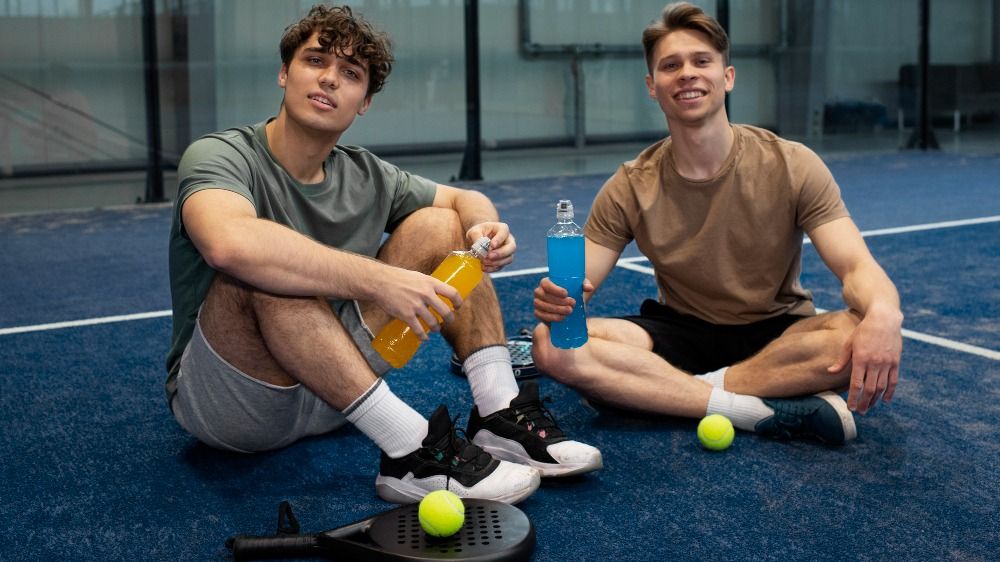
Best group exercises at home: 25 fun workout ideas for every fitness level (2026)
Discover the best group exercises at home for families, friends, and fitness groups. Explore no-equipment workouts, HIIT routines, strength training, and fun home fitness ideas.
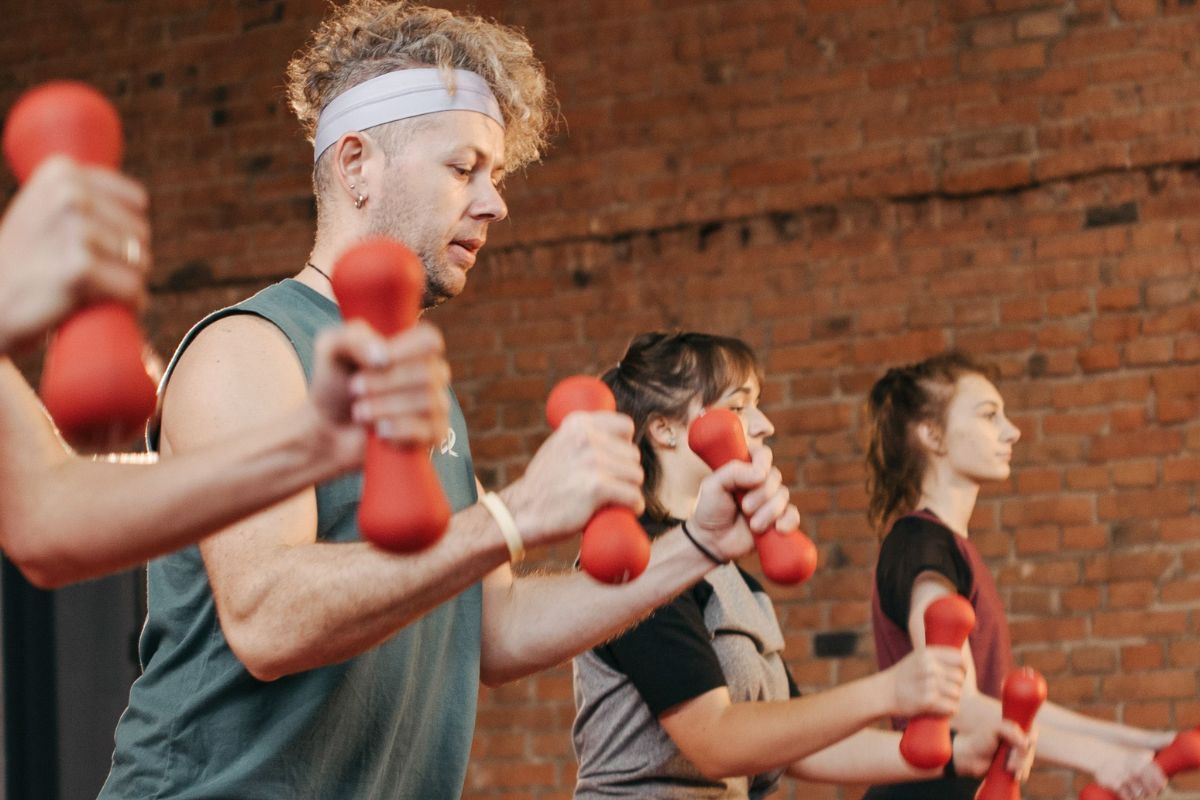
Source: Pavel Danilyuk on Pexels
Working out at home can be convenient, affordable, and surprisingly effective. Add a few friends, family members, roommates, or coworkers, and it can also become one of the most enjoyable ways to stay active. The best group exercises at home bring people together through movement while making it easier to build a consistent fitness routine.
You can clear a little space in the living room, move a few chairs aside, and start exercising. For people with busy schedules, limited budgets, or little gym experience, that simplicity can make a big difference.
Exercising with other people also helps you stay motivated. It is much harder to skip a workout when someone is already waiting for you.
Group members can encourage each other, share progress, and make challenging exercises feel more manageable. Even a basic circuit of squats, lunges, planks, and jumping jacks can feel more exciting when everyone completes it together.
When you want more variety, simple equipment such as resistance bands, dumbbells, jump ropes, or medicine balls can expand your options. Household items like water bottles, backpacks, sturdy chairs, and towels can work as alternatives too.
Before choosing your exercises, think about the people in your group. Consider their fitness levels, ages, physical limitations, and workout experience. You should also look at how much space you have, how many people will participate, and what equipment is available.
This article covers fun group workout ideas for beginners, experienced exercisers, families, friends, roommates, personal trainers, and virtual fitness groups. You will find bodyweight circuits, HIIT sessions, partner exercises, dance workouts, strength routines, fitness games, and low-impact options. You will also learn how to choose suitable exercises, organize a 30-minute session, avoid common mistakes, and keep everyone engaged.
Why group exercises at home are so effective
Exercising at home is convenient, but doing it with other people can make the experience much easier to maintain. When friends, relatives, roommates, or coworkers agree to work out together, each person has a reason to show up. You are no longer relying entirely on personal motivation. The group creates a shared commitment, which can help turn an occasional workout into a regular habit.
Group exercise also adds encouragement and energy to movements that might otherwise feel repetitive. A set of squats can become a friendly challenge. A short plank feels more manageable when everyone is counting down together.
Even simple activities such as stretching, dancing, or walking in place can feel more enjoyable when they become part of a shared routine. This social element matters because people are generally more likely to repeat activities they find rewarding and enjoyable.
The physical benefits depend on the exercises you choose, but a balanced group workout can support cardiovascular fitness, muscular strength, balance, mobility, and coordination. Regular movement can also improve sleep, support weight management, and reduce the risk of several chronic health conditions. According to the Centers for Disease Control and Prevention, some benefits of physical activity can begin after a single session, while consistent exercise provides broader long-term benefits.
Exercise can support mental well-being too. A good workout may help reduce stress, improve mood, and provide a welcome break from work, study, or household responsibilities.
When you exercise with people you enjoy, you also gain time to connect, laugh, and work toward a common goal. The World Health Organization recognizes regular physical activity as an important part of both physical and mental health.
Another advantage is flexibility. Home group workouts can be adjusted for children, adults, older family members, complete beginners, and experienced fitness enthusiasts. One person might perform a full push-up while another uses a wall or sturdy table.
Someone may complete jumping jacks, while another chooses a lower-impact step jack. By offering easier and harder versions of each movement, everyone can participate without being forced to exercise at the same intensity.
Home workouts are also cost-effective. You do not need to pay for travel, rent a studio, or purchase several large machines. Many of the best group exercises at home use body weight, a timer, and a small open area. Resistance bands, light dumbbells, exercise mats, and household items can add variety, but they are optional.
This makes group exercise more accessible for families and friends who want to stay active without adding another major expense.
For personal trainers and instructors, home-based group sessions can also become a practical way to serve clients in person or online. Once sessions become regular, tools such as Rezerv’s group fitness management software can help organize schedules, participant bookings, payments, and attendance. Informal groups may only need a shared calendar or chat, but structured classes often benefit from having everything managed in one place.
Ultimately, group home workouts work because they combine convenience with social support. They remove many of the barriers associated with traditional fitness routines while giving people a clear reason to stay involved.
When the exercises match the group’s abilities and everyone feels included, working out becomes easier to repeat, and consistency is what produces meaningful progress over time.
How to choose the best group exercises at home
The best group exercises at home should feel challenging enough to be worthwhile while remaining safe and manageable for everyone involved. A workout that works well for two active friends may feel confusing or overcrowded for a family of six. Before planning the session, consider four practical factors: group size, fitness level, available space, and equipment.
You should also think about the group’s main goal. Some people want an intense calorie-burning workout, while others may prefer to improve mobility, build strength, or simply move more during the week. Once the goal is clear, choosing suitable exercises becomes much easier.
Group size
Partner workouts
Partner workouts are ideal when only two people are exercising. You can complete the same movement at the same time, alternate between exercises, or take turns working and resting.
For example, one person can perform squats while the other holds a plank. After 30 seconds, they switch roles. Partners can also perform medicine ball passes, resistance band rows, synchronized lunges, or high-five push-ups.
Choose movements that allow both people to maintain control. Large differences in body size or strength may make exercises such as partner carries and resisted sprints less practical. Timed exercises usually work better because each person can move at a comfortable pace without feeling pressured to match the other person’s repetitions.
Small
Circuit training works especially well for small groups. Create three to five exercise stations and assign one person to each station. After 30 to 60 seconds, everyone rotates.
A simple circuit could include:
- Bodyweight squats
- Incline push-ups
- Mountain climbers
- Reverse lunges
- Plank shoulder taps
This format keeps everyone moving without requiring several sets of equipment. It also gives the workout a clear structure, which helps reduce confusion between exercises.
Leave enough distance between stations so participants can move safely. Exercises involving wide arm movements, lateral jumps, or long lunges need more room than stationary movements such as wall sits or glute bridges.
Large family workouts
Large family workouts should use simple exercises that are easy to demonstrate and follow. Squats, step jacks, marching, toe touches, and short dance combinations are good starting points.
Children may lose interest during a traditional circuit, so include games, races, animal walks, or follow-the-leader activities. Older adults may prefer lower-impact alternatives with additional balance support.
Assign one person to lead the warm-up and explain each movement before the session begins. Avoid exercises that send people running in different directions unless you have a large, clear area. A well-organized family workout should feel energetic without becoming chaotic.
Virtual group sessions
Virtual workouts allow friends, remote teams, and fitness communities to exercise together from different locations. Choose movements that participants can perform within the space visible on camera.
Timed intervals are usually easier to manage than repetition-based rounds. Everyone can work for 30 seconds and rest for 20 seconds, regardless of individual speed. The leader should demonstrate each movement from an angle that clearly shows foot placement, posture, and range of motion.
Keep verbal instructions short and specific. Internet delays can make synchronized movements difficult, so participants should follow the timer rather than trying to move at exactly the same pace.
Fitness levels
Beginner-friendly exercises
Beginners usually benefit from stable, familiar movement patterns. Good options include chair squats, wall push-ups, marching in place, standing knee lifts, glute bridges, and supported reverse lunges.
Start with short intervals, such as 20 seconds of movement followed by 30 to 40 seconds of rest. This gives participants time to understand the exercise and correct their form before fatigue builds.
Beginners should finish each round feeling capable of continuing. Intensity can increase gradually as their coordination, strength, and confidence improve.
Mixed-ability groups
Mixed-ability groups need flexible exercise options. Instead of assigning completely different routines, offer two or three versions of the same movement.
For example:
- Wall push-up, incline push-up, or floor push-up
- Chair squat, bodyweight squat, or jump squat
- Standing knee drive, slow mountain climber, or fast mountain climber
- Forearm plank from the knees or a full forearm plank
Time-based circuits allow everyone to select a suitable variation and complete as many controlled repetitions as possible. This approach keeps the group together while respecting individual ability.
Encourage participants to focus on movement quality rather than competing over speed. Someone using a beginner variation may still be working at the right intensity for their current fitness level.
Intermediate and advanced options
More experienced participants can increase difficulty by adding resistance, using longer work periods, reducing rest time, or choosing more complex variations.
Split squats, single-leg deadlifts, decline push-ups, squat jumps, burpees, and dumbbell thrusters can make a circuit more demanding. Slower repetitions can also increase muscular tension without requiring heavier weights.
Advanced movements should only be added when participants can maintain proper form. Increasing speed or resistance too early can turn a productive session into an uncomfortable or unsafe one.
The CDC’s physical activity guidance recommends combining aerobic activity with muscle-strengthening exercise throughout the week. A varied group program can support both goals by alternating cardio sessions, strength circuits, and lower-intensity mobility workouts.
Available space
Living room workouts
A living room can support many effective exercises when the area is arranged carefully. Move coffee tables, loose rugs, electrical cords, and fragile objects before starting.
Give each participant a personal workout zone roughly large enough to lie down with their arms and legs extended. Stationary movements such as squats, push-ups, glute bridges, planks, and marching work well in limited indoor spaces.
Avoid fast lateral movements when people are positioned close together. A smaller range of motion is safer than colliding with another participant or nearby furniture.
Garage workouts
Garages usually provide more space for dumbbells, resistance bands, jump ropes, and larger circuit stations. They can also accommodate exercises that create more noise, such as jumping or medicine ball work.
Check the floor for slippery areas, tools, storage boxes, or sharp objects. Ventilation matters too, especially during warm weather. Keep doors or windows open when possible and place equipment where participants can reach it without crossing through another person’s station.
Outdoor home spaces
A garden, driveway, patio, or backyard gives you more freedom to include shuttle runs, relay races, obstacle courses, and agility drills. Outdoor spaces are particularly useful for family workouts and larger groups.
Inspect the ground before beginning. Uneven paving, wet grass, stones, and loose objects can increase the risk of slipping or tripping. Weather should also influence workout length, exercise intensity, hydration breaks, and sun protection.
Apartment-friendly options
Apartment workouts should minimize jumping, stomping, and dropped equipment. Low-impact exercises can still raise the heart rate when performed continuously.
Try step jacks, fast marching, standing punches, controlled squats, reverse lunges, dead bugs, and slow mountain climbers. Resistance bands also work well because they provide added difficulty without creating much noise.
A yoga mat can reduce floor contact sounds, although it will not fully absorb the impact of repeated jumping. Choose controlled movements when exercising above other residents.
Equipment availability
No-equipment workouts
Bodyweight exercises are the easiest option for most groups. They require minimal preparation and allow participants to exercise almost anywhere.
A balanced no-equipment circuit can include a squat, a pushing movement, a lunge, a core exercise, and a cardio movement. For example, combine chair squats, wall push-ups, reverse lunges, plank holds, and step jacks.
Changing the tempo, range of motion, and work interval can make the same movements easier or harder.
Resistance bands
Resistance bands are portable, affordable, and useful for strength and mobility exercises. Groups can perform rows, chest presses, lateral walks, biceps curls, shoulder presses, and assisted stretches.
Inspect each band for small tears or worn areas before use. Secure anchored bands to a stable object and avoid aiming stretched bands toward another participant’s face. Each person should have enough space to extend the band without hitting someone nearby.
Dumbbells
Dumbbells can add resistance to squats, deadlifts, rows, presses, lunges, and carries. When equipment is limited, participants can share one pair by rotating through stations.
Choose weights that allow controlled repetitions. Place unused dumbbells against a wall or at the edge of the workout area rather than leaving them in walking paths.
Medicine balls
Medicine balls work well for partner passes, rotational movements, weighted squats, and controlled core exercises. Slams should only be performed with balls designed for repeated impact and on a suitable surface.
Check the ceiling height before including overhead throws. Partner passes should begin at a slow pace so both people can become comfortable with the ball’s weight and movement.
Household alternatives
Common household objects can replace basic fitness equipment. Filled water bottles can act as light hand weights, while a backpack containing books can add resistance to squats or lunges. Towels can support stretching and certain partner drills.
Use sturdy, predictable objects. Chairs should remain stable and should never have wheels when used for balance or incline push-ups. Avoid glass bottles, unstable stools, and bags that cannot close securely.
For instructors running recurring home or virtual classes, clearly listing the required space, equipment, and exercise level can help participants prepare before each session. A platform such as Rezerv’s group fitness management software can support class scheduling, bookings, payments, and participant management in one place.
A little planning goes a long way. Match the exercises to the people in the room, create enough space to move safely, and provide alternatives whenever abilities differ. The workout will feel smoother, more inclusive, and far easier to repeat.
Best group exercises at home
The best group exercises at home are simple to organize, easy to modify, and engaging enough to keep everyone moving. You do not need complicated choreography or a room full of equipment. A few familiar movements, a timer, and a clear workout structure are often enough.
Variety matters, though. Repeating the same circuit every week can quickly become dull, even when the exercises are effective. Try alternating strength training, cardio, mobility, dance, and fitness games. This gives the body different challenges while allowing each person to find activities they genuinely enjoy.
Bodyweight circuit training
Bodyweight circuits are among the easiest group workouts to set up at home. Participants move through several exercises with limited rest, either completing a set number of repetitions or working for a fixed amount of time.
A balanced circuit may include squats for the lower body, push-ups for the chest and arms, lunges for balance and leg strength, mountain climbers for cardio, and planks for the core. Burpees can be added when the group wants a more intense full-body movement.
One simple format is to perform each exercise for 30 seconds, rest for 15 seconds, and then move to the next station. Complete the full circuit two to four times, depending on the group’s fitness level.
You can also create rotating stations around the room. For example:
- Station 1: Bodyweight squats
- Station 2: Incline or floor push-ups
- Station 3: Reverse lunges
- Station 4: Mountain climbers
- Station 5: Forearm plank
Station-based training is especially useful for groups of three to five people because everyone stays active without needing identical equipment. Offer easier variations, such as chair squats or wall push-ups, so beginners can follow the same circuit safely.
HIIT group workouts
High-intensity interval training, commonly known as HIIT, alternates short periods of demanding exercise with planned recovery. It can provide a challenging workout in a relatively short session, making it useful for busy friends, families, and remote teams.
A basic group HIIT workout might use 30 seconds of activity followed by 30 seconds of rest. More experienced participants can work for 40 seconds and recover for 20 seconds.
Exercises may include:
- High knees
- Squat jumps
- Fast mountain climbers
- Skaters
- Burpees
- Plank jacks
HIIT does not have to involve constant jumping. Step jacks, fast marching, bodyweight squats, standing knee drives, and controlled punches can create a lower-impact interval workout. These alternatives are helpful for beginners, apartment residents, or anyone managing joint discomfort.
Team challenges can make the session more engaging. One team might complete squats while another performs mountain climbers, then switch after each interval. Keep the focus on controlled movement rather than rewarding whoever moves fastest. Speed is only useful when participants can maintain good form.
HIIT can be demanding, so it should not dominate every workout. The CDC’s physical activity guidance recommends that adults combine aerobic activity with muscle-strengthening exercise during the week. Alternating HIIT with strength, mobility, and lower-intensity sessions creates a more balanced routine.
Partner workouts
Partner exercises add communication, cooperation, and a little friendly pressure. They are ideal for couples, roommates, siblings, or two friends training together.
Partner squats are a simple place to begin. Both people can face each other, hold hands for balance, and lower into a squat at the same time. They can also stand back-to-back and use gentle pressure to stay aligned, although this version requires good coordination.
High-five planks add interaction to a familiar core exercise. Both partners begin in a high plank facing each other, lift opposite hands, and exchange a controlled high five. The goal is to keep the hips steady rather than rushing through repetitions.
Wheelbarrow walks are more advanced. One person supports the other person’s ankles while the person on the floor walks forward using their hands. Because this exercise places significant demand on the shoulders, wrists, and core, it should only be used when both partners can maintain control. A short distance is enough.
Medicine ball passes are another effective option. Partners can perform chest passes, side-to-side rotational passes, or overhead passes if the room has enough space. When no medicine ball is available, use a soft cushion or lightweight ball instead.
Resistance partner drills can be performed with bands or gentle manual pressure. One partner may hold a resistance band while the other performs rows, presses, or controlled lateral steps. Agree on the resistance level before beginning and avoid sudden pulling.
Dance fitness sessions
Dance fitness turns cardio into a shared activity rather than a series of formal exercises. It can work particularly well for families, beginners, and people who find traditional workouts repetitive.
Choose a playlist with a steady rhythm and build a routine around simple movements such as side steps, knee lifts, arm reaches, hip movements, and bodyweight squats. You can follow a Zumba-inspired video, create a short choreographed routine, or let each participant choose one movement for the group to copy.
Keep the combinations short. A routine with four repeatable movements is easier to follow than a long sequence with frequent changes. Participants should be able to rejoin without feeling embarrassed when they miss a step.
For family sessions, use familiar songs and allow children to lead part of the workout. Freeze dance is another easy option: everyone moves while the music plays and holds a position when it stops.
Dance fitness can range from gentle to vigorous depending on the tempo, movement size, and amount of jumping. Encourage everyone to adjust the intensity rather than forcing the group to follow the same pace.
Yoga and stretching classes
Group yoga and stretching sessions provide a calmer way to improve mobility, body awareness, and movement control. They can be used as full workouts, recovery sessions, or a relaxing end to a more intense routine.
A simple group yoga flow might include cat-cow stretches, downward-facing dog, low lunges, warrior poses, seated forward folds, and gentle spinal rotations. Move slowly enough for participants to understand each position and avoid treating flexibility as a competition.
Partner stretching can add support, but both people must communicate clearly. Pressure should remain gentle, and the person being stretched should control how far the movement goes. Avoid bouncing or forcing a joint beyond its comfortable range.
Mobility sessions may focus on areas that often feel stiff after long periods of sitting, including the hips, ankles, shoulders, and upper back. Exercises such as hip circles, ankle rocks, shoulder rotations, and thoracic twists can fit into a 10- to 20-minute routine.
Finish with slow breathing or a brief relaxation period. This gives the group time to lower the intensity and leave the session feeling refreshed rather than rushed.
Strength training circuits
Strength circuits help participants train the major muscle groups without spending the entire session on one exercise. They can be performed with dumbbells, resistance bands, or weighted household objects.
An upper-body circuit may include dumbbell rows, shoulder presses, floor presses, biceps curls, and band pull-aparts. A lower-body session could combine goblet squats, Romanian deadlifts, reverse lunges, glute bridges, and calf raises.
For a full-body routine, choose one exercise from each main movement pattern:
- Squat: Goblet squat or chair squat
- Hinge: Dumbbell deadlift or good morning
- Push: Floor press, overhead press, or push-up
- Pull: Dumbbell row or resistance band row
- Core: Dead bug, plank, or suitcase hold
Perform eight to 15 controlled repetitions per exercise or use intervals of 30 to 45 seconds. Participants should choose resistance that feels challenging near the end of the set without causing their technique to break down.
When equipment is limited, divide the room into weighted and bodyweight stations. One person can use the dumbbells while another performs push-ups or glute bridges, then they switch. This keeps the workout moving without requiring a full set of equipment for everyone.
Cardio challenges
Cardio challenges are easy to organize and can create plenty of energy in a short session. Jumping jacks, high knees, skaters, jump rope, and stair workouts can all raise the heart rate without requiring much preparation.
Try setting a shared target, such as completing 300 jumping jacks as a team. Each person contributes as many controlled repetitions as they can before another participant takes over. This cooperative format allows people with different fitness levels to contribute without needing identical scores.
Jump rope challenges can be based on time, total jumps, or the longest continuous round. Make sure each participant has enough space around and above them. People who do not have a rope can perform imaginary jump rope movements or quick heel raises.
Stair workouts may include controlled step-ups, steady stair walking, or short climbing intervals. Participants should use a handrail when needed and avoid racing on narrow or slippery stairs. Running up and down stairs is unnecessary for most home workouts and may increase the chance of falling.
Low-impact alternatives such as marching, side steps, toe taps, and standing knee drives can still create an effective cardio session when performed continuously.
Functional fitness games
Functional fitness games combine exercise with tasks that involve coordination, balance, speed, and problem-solving. They are especially effective for family groups because they feel more like play than a structured workout.
Relay races can include bear crawls, crab walks, side shuffles, or carrying a lightweight object from one point to another. In smaller spaces, replace running with stationary challenges. One participant might complete 10 squats before tagging the next person.
A home obstacle course can use cushions, cones, towels, and sturdy chairs. Participants may step over a cushion, crawl beneath a safe barrier, walk along a taped line, and finish with five jumping jacks. Check every station carefully before starting and remove objects that could slide or tip over.
Balance challenges can include standing on one leg, walking heel-to-toe, or holding a light object while maintaining a stable position. Make the exercise harder by adding gentle arm movements rather than asking people to close their eyes.
Agility drills may use tape lines or small markers placed on the floor. Participants can step forward, backward, and sideways through the pattern while maintaining control. Fast feet are optional; accuracy should come first.
For team competitions, reward consistency, coordination, or cooperation rather than only speed. A workout becomes more inclusive when everyone has a realistic way to succeed.
Personal trainers and group fitness instructors who run recurring home, outdoor, or virtual sessions may need more than a timer and group chat. Rezerv’s group fitness management software can help instructors organize class schedules, bookings, participant information, and payments in one system.
The right format depends on the people participating. A group of active friends may enjoy HIIT and strength circuits, while a family may prefer dance, relays, and obstacle courses. Mix different formats throughout the week and pay attention to what keeps everyone involved. A workout that people enjoy is far more likely to become part of their regular routine.
.jpg)
Source: magnific
Best no-equipment group exercises at home
No-equipment workouts make group exercise simple. You can start almost anywhere, avoid sharing equipment, and adjust each movement to suit different ability levels. Bodyweight exercises can also combine aerobic activity with muscle-strengthening work, helping groups build a well-rounded routine without purchasing fitness gear.
For an easy circuit, choose five exercises and perform each one for 30 to 40 seconds. Rest for 15 to 30 seconds between movements, then repeat the circuit two or three times. Beginners can use shorter intervals, while experienced participants can increase the work period or complete more rounds.
Squats
Squats strengthen the legs and hips while practicing a movement you use in daily life, such as sitting down and standing up. They work well in group sessions because everyone can perform a variation that matches their ability.
Stand with your feet around shoulder-width apart. Push your hips back, bend your knees, and lower your body as though you are sitting into a chair. Keep your chest lifted and your knees moving in the same direction as your toes. Press through your feet to return to standing.
Beginners can squat toward a chair and lightly touch the seat before standing. More experienced participants can add a pause at the bottom, slow down each repetition, or perform squat jumps when the space and flooring allow it.
For a group challenge, ask everyone to complete controlled squats for 30 seconds. Count the group’s total repetitions, then try to improve the score during the next round without sacrificing form.
Push-ups
Push-ups train the chest, shoulders, arms, and core. The standard floor version can be difficult for beginners, so provide several options before starting.
Wall push-ups are the most accessible variation. Incline push-ups can be performed with the hands on a sturdy table, countertop, or stable chair. Participants with more experience can choose knee push-ups or full push-ups from the floor.
Whichever version you use, keep the body in a straight, supported position. Bend the elbows to lower the chest toward the wall or floor, then push away. Avoid allowing the hips to drop or the head to reach forward.
Partner groups can alternate between push-ups and a lower-body movement. One person performs push-ups while the other completes squats, then they switch after 30 seconds.
Lunges
Lunges strengthen the lower body while challenging balance and coordination. Reverse lunges are often easier to control in small home spaces because participants step backward rather than moving across the room.
Begin with your feet around hip-width apart. Step one foot backward, bend both knees, and lower your body under control. Push through the front foot to return to standing, then repeat on the other side.
Beginners can hold a wall or sturdy chair for support. They can also reduce the depth of the movement. Participants who need a greater challenge can add a knee drive, perform walking lunges in a larger area, or slow down the lowering phase.
Make sure each person has enough room to step without reaching another participant’s space. When the room feels crowded, keep everyone facing the same direction.
Plank challenges
Planks train the core while also requiring support from the shoulders, arms, and legs. They are easy to include in group workouts because participants can hold the position for a suitable amount of time.
A beginner can place their hands on a wall, table, or stable chair. Floor options include a plank from the knees, a forearm plank, or a high plank with the arms straight.
The body should form a controlled line from the head through the hips. Encourage participants to gently tighten the stomach and glutes while continuing to breathe. End the hold when the hips begin to drop or the lower back becomes uncomfortable.
Instead of asking who can hold the longest, set a shared goal. For example, the group can try to accumulate three total minutes of plank time, with participants resting and rejoining whenever needed.
Bear crawls
Bear crawls train the shoulders, arms, core, and legs while adding a coordination challenge. They can be fun for families, although they require more floor space than stationary exercises.
Begin on the hands and knees with the hands beneath the shoulders. Lift the knees slightly above the floor, then move one hand and the opposite foot forward. Continue using small, controlled steps.
In a narrow room, participants can crawl forward for two or three steps and then move backward. A beginner can practice holding the starting position instead of traveling.
More advanced participants can crawl around markers or complete short relay races.
Keep the movement slow at first. Fast crawling often causes the hips to rise and makes it harder to control the hands and feet.
Crab walks
Crab walks challenge the arms, shoulders, core, and hips. They also add a playful element to family workouts and team games.
Sit on the floor with your knees bent and your feet planted. Place your hands behind you, lift your hips slightly, and move by coordinating the hands and feet.
Use short distances because the exercise can quickly tire the wrists and shoulders. Participants can also hold the raised position for several seconds instead of traveling.
Anyone with wrist or shoulder discomfort should choose another movement, such as a glute bridge or seated knee lift. The goal is to keep the group active, so substitutions should feel normal rather than like a penalty.
Jumping jacks
Jumping jacks provide a quick cardio burst and require very little preparation. Start with the feet together and the arms by the sides. Jump the feet apart while raising the arms, then return to the starting position.
For a low-impact option, step one foot to the side while lifting the arms overhead. Return to the center and repeat on the other side. Step jacks work well for beginners, older adults, and apartment-friendly workouts.
Try using jumping jacks between strength exercises. For example, the group can complete 30 seconds of squats, 20 seconds of jumping jacks, and then rest. These short cardio intervals keep the session energetic without requiring a separate running area.
High knees
High knees raise the heart rate while training coordination and lower-body movement. Participants can perform them as a fast run in place or as a controlled march.
Stand tall and bring one knee toward the chest, then switch sides. Use the arms naturally and land softly. The knees do not need to reach a specific height, especially when moving quickly.
Beginners can march at a steady pace. Intermediate participants can increase the tempo, while advanced exercisers can use short, fast intervals of 15 to 30 seconds.
A call-and-response format can make this exercise more engaging. The workout leader calls “slow,” “medium,” or “fast,” and everyone adjusts their pace while maintaining control.
Mountain climbers
Mountain climbers combine core work with cardiovascular exercise. Begin in a high plank with the hands beneath the shoulders. Bring one knee toward the chest, return it to the starting position, and switch sides.
Beginners can move slowly and place each foot down between repetitions. They can also perform standing mountain climbers by raising one knee while reaching the opposite arm forward or overhead.
More experienced participants can increase their speed, but the shoulders should remain above the hands and the hips should stay relatively steady. Stop the interval when the lower back begins to sag or the movement becomes uncontrolled.
Mountain climbers work well in short rounds. Try 20 seconds of work followed by 20 to 30 seconds of rest, especially when the circuit already includes other demanding exercises.
Burpees
Burpees combine squatting, plank work, and cardio in one full-body movement. They can raise the intensity quickly, so explain the available variations before beginning.
For the standard version, squat down, place your hands on the floor, jump or step the feet back into a plank, return the feet toward the hands, and stand or jump upward.
Beginners can place their hands on a sturdy raised surface and step back one foot at a time. They can also remove the push-up and jump. This step-back version still creates a useful full-body exercise with less impact.
Keep burpee intervals short, such as 15 to 30 seconds. Encourage each participant to follow their own pace instead of trying to match the fastest person. Clean, consistent repetitions provide more value than rushing through a large number.
Turning these exercises into a group circuit
You do not need to use all 10 movements in one workout. Choose a combination that covers different movement patterns and intensity levels.
A simple circuit could include:
- Squats
- Incline or floor push-ups
- Reverse lunges
- High knees or marching
- Plank hold
- Mountain climbers
Perform each movement for 30 seconds and rest for 20 seconds before moving on. After one complete round, rest for one or two minutes. Repeat the circuit two or three times.
For mixed-ability groups, ask participants to select their variation before the timer begins. This keeps transitions smooth and prevents people from feeling pressured to choose a version that is too difficult.
Personal trainers and instructors who regularly run home, outdoor, or virtual group circuits may also need a reliable way to manage schedules and participants. Rezerv’s group fitness management software supports class bookings, scheduling, payments, and participant management, making recurring sessions easier to organize.
No-equipment exercise works best when the workout feels accessible and well organized. Give everyone enough space, demonstrate each movement clearly, and provide modifications without making them seem like lesser options. When people can exercise at an appropriate level, they are more likely to enjoy the session and return for the next one.
Best group exercises at home for families
Family workouts work best when they feel less like a formal exercise class and more like active time together. Children may enjoy games and imaginative movements, while adults may prefer a little more structure. A good family session combines both. It keeps everyone moving without expecting every person to perform the same exercise at the same speed.
Keep the workout short at first, especially when younger children are joining. A lively 15- to 20-minute session can be more successful than a longer routine that becomes tiring or repetitive. Choose simple movements, explain one activity at a time, and build in regular water breaks.
Physical activity needs also vary by age. The CDC recommends that children ages three to five stay active throughout the day, while children and teenagers ages six to 17 should get at least 60 minutes of physical activity daily. A home workout can contribute to that total alongside walking, cycling, sports, playground time, and other active play.
Family fitness games
Fitness games are an easy way to get the whole household involved because the activity has a clear purpose beyond completing repetitions. Instead of telling everyone to perform 20 squats, turn the movement into part of a game.
Try a “movement jar” filled with small pieces of paper. Write one activity on each piece, such as:
- Five frog jumps
- Ten marching steps
- A 15-second balance hold
- Six wall push-ups
- A bear crawl across the room
- A short dance move
Each person takes a turn choosing an activity for the family to complete. Younger children can draw pictures of the movements instead of writing them.
Follow the leader is another simple option. One family member leads for 30 to 60 seconds while everyone copies their movements. Rotate leaders so children and adults each get a turn. The routine might include marching, side steps, arm circles, knee lifts, or playful animal movements.
You can also play freeze dance. Put on an upbeat song and let everyone move freely. When the music stops, participants freeze in a squat, balance pose, or funny position. This keeps the activity light while still developing coordination and body control.
Kid-friendly workouts
Children usually respond better to variety than to long, repetitive sets. Change activities every 30 to 60 seconds and use familiar themes to make the movements easier to understand.
Animal exercises are particularly useful:
- Frog jumps: Squat down and jump or reach upward.
- Bear crawls: Move forward on the hands and feet.
- Crab walks: Travel with the hips lifted and the hands behind the body.
- Penguin walks: Take small steps with the heels together and toes turned outward.
- Flamingo balances: Stand on one leg and hold the position.
- Inchworms: Walk the hands into a plank and then bring the feet forward.
Let children help choose the animals or create their own movements. Accuracy does not need to be perfect. The main goal is to encourage safe, active play.
Avoid making children exercise as punishment for losing a game or making a mistake. Movement should remain a positive experience. Praise effort, creativity, and participation rather than focusing only on speed or athletic ability.
Parent-child exercises
Parent-child exercises add cooperation to the workout. Choose movements that allow adults to guide and encourage children without placing too much body weight or resistance on them.
Start with synchronized squats. Stand side by side or face each other, then squat and stand at the same pace. You can add a high five at the top of each repetition.
For mirror movements, one person becomes the leader while the other copies them. Move side to side, reach overhead, march, squat, or balance on one leg. Switch roles after one minute.
Other accessible options include:
- Plank high fives: Face each other in a wall, incline, knee, or full plank and tap opposite hands.
- Back-to-back wall sits: Stand against the same wall and see whether both partners can maintain the position.
- Balloon taps: Keep a balloon in the air using the hands, elbows, or knees.
- Towel pulls: Each person gently holds one end of a towel while practicing controlled pulling and balance.
- Partner passes: Pass a soft ball or cushion from side to side.
Adults should adjust their range of motion and pace rather than expecting children to match them. Avoid partner carries, forceful pulling, or exercises where one person’s safety depends entirely on the other person’s strength.
Balance and coordination games
Balance and coordination activities help family members practice movement control without needing a large space. They can also give the group a lower-intensity break between faster exercises.
Create a straight line on the floor with removable tape and ask everyone to walk along it heel to toe. Add simple challenges, such as carrying a soft object, walking backward slowly, or pausing on one leg.
A cushion pathway can become a miniature obstacle course. Place cushions, towels, or floor markers a safe distance apart and ask participants to step between them without touching the surrounding floor. Make sure every object lies flat and cannot slide.
You can also try a balance countdown:
- Stand on one leg for 10 seconds.
- Switch legs.
- Repeat while reaching the arms overhead.
- Make small arm circles while maintaining the position.
Children may enjoy pretending that the floor is lava, while adults can focus on posture and controlled movement. Keep a wall or sturdy chair nearby for anyone who needs support.
Hand-eye coordination games can involve tossing a soft ball, rolling it toward a target, or passing it around a circle. Start with slow, predictable movements before adding speed or distance.
Fun fitness competitions
A little competition can make family workouts more exciting, but the format should give everyone a fair chance to contribute. Younger children will struggle to compete directly with adults in strength or speed, so use team goals, chance-based games, or age-appropriate scoring.
One option is a family relay. Each participant completes a different task before tagging the next person:
- Walk quickly to a marker.
- Complete five squats.
- Balance on one leg for five seconds.
- Return and tag the next participant.
For smaller homes, create a stationary relay. One person performs 10 step jacks, the next holds a plank, and another completes chair squats. The family tries to finish the full sequence together.
Fitness bingo is another inclusive choice. Fill a card with activities such as dancing for one song, taking a family walk, completing 10 lunges, stretching for five minutes, or playing an outdoor game. Participants can work toward one row or try to complete the full card over a week.
Team challenges also reduce pressure on individuals. Set a shared target of 100 squats, 50 wall push-ups, or five total minutes of balancing. Each person contributes an amount that suits their ability. The family succeeds when the combined target is reached.
Keep rewards simple and non-food-based. The winner might choose the next playlist, select the following workout game, or become the next session leader.
A simple 20-minute family workout
Here is an easy format for a mixed-age household:
Warm-up — 3 minutes
March in place, circle the arms, reach from side to side, and complete a few slow squats.
Movement game — 5 minutes
Play follow the leader. Change leaders every minute and use simple movements that everyone can copy.
Family circuit — 8 minutes
Complete 30 seconds of each activity followed by 15 seconds of rest:
- Chair or bodyweight squats
- Wall push-ups
- Step jacks or jumping jacks
- Bear crawls or bear holds
- Balloon taps
- Single-leg balance
Repeat the circuit once if time allows.
Cool-down — 4 minutes
Walk slowly around the room, stretch the legs and shoulders, and finish with several relaxed breaths.
Adults can choose more demanding versions while children use simpler movements. For example, one person may perform floor push-ups while another uses a wall. Both are still participating in the same workout.
Keeping family workouts safe
Clear the workout area before starting. Remove toys, cords, slippery rugs, sharp furniture, and breakable objects. Children should have enough room to move without running into another person.
Demonstrate unfamiliar exercises before starting the timer. Encourage soft landings during jumping movements and replace jumps with steps when the surface, space, or participant’s ability makes impact unsuitable.
Watch for signs that someone needs a break, such as dizziness, unusual shortness of breath, pain, or a clear loss of coordination. Water should remain nearby, and no one should be pressured to continue an uncomfortable movement.
Most importantly, keep the atmosphere supportive. Family exercise should help people associate movement with connection, play, and progress. The CDC also encourages families to make physical activity part of their regular routine through activities such as active games and family walks.
For fitness instructors who organize recurring family classes, scheduling can become more complicated when parents book on behalf of their children. Rezerv’s Family Account feature allows parents to create child profiles and manage bookings or packages for them. Its group fitness management software can also support class scheduling, participant management, payments, and attendance.
The most effective family workout is one people are happy to repeat. Keep it flexible, rotate activities often, and let everyone contribute ideas. When the session feels enjoyable and achievable, staying active together becomes a natural part of family life.
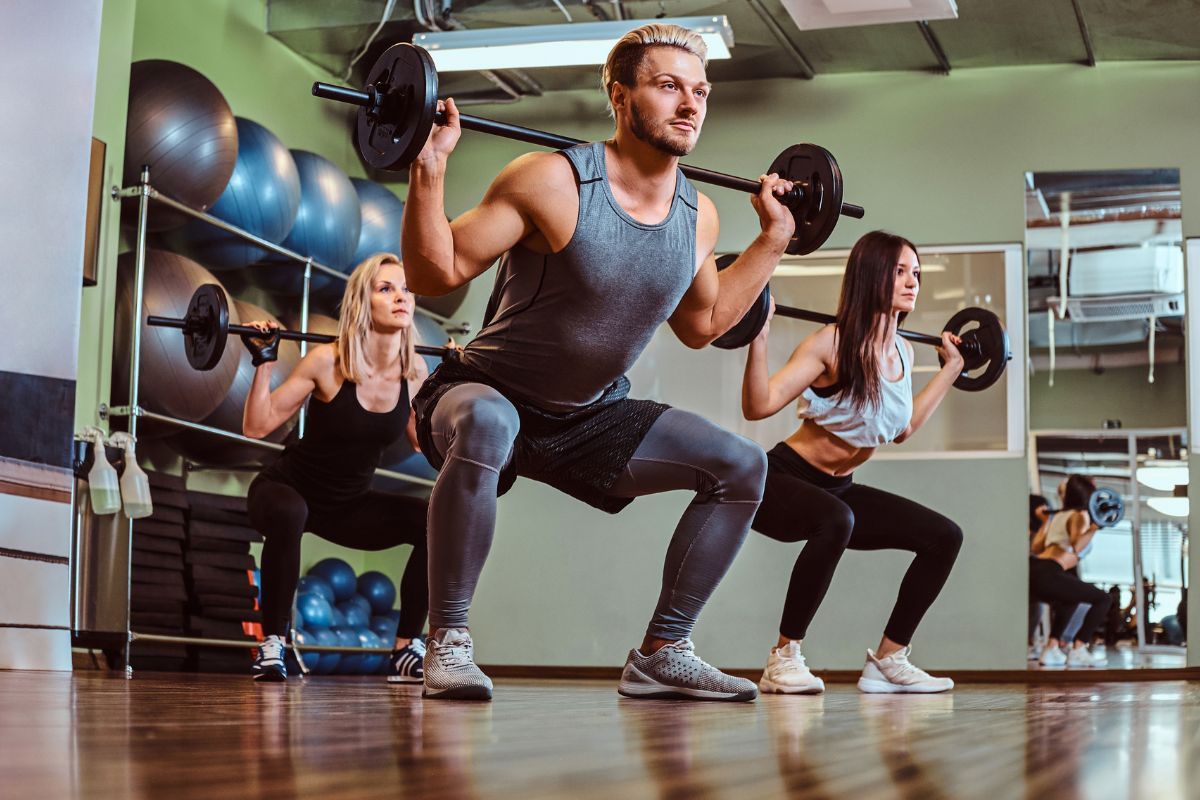
Source: fxquadro on magnific
Best group exercises at home for friends
Working out with friends gives you the social energy of a fitness class without the cost or travel. You can exercise in a living room, garage, backyard, or over a video call. More importantly, you have people around you who can make the session feel less like another task on your schedule.
Friend workouts can be competitive, cooperative, or a mix of both. Some groups may enjoy racing against the clock, while others prefer working toward a shared target. The format matters less than choosing exercises everyone can perform safely. Agree on the difficulty level before starting, offer lower-impact alternatives, and keep the competition friendly.
Try to include both cardio and strength activities across your weekly sessions. Current CDC guidance recommends that adults aim for at least 150 minutes of moderate-intensity aerobic activity each week, along with muscle-strengthening activities on two or more days. Short group workouts can contribute to these goals when they happen regularly.
HIIT challenges
HIIT challenges are a good choice for friends who enjoy fast-paced workouts and clear time limits. These sessions alternate demanding exercise intervals with short recovery periods, allowing you to fit plenty of movement into 20 to 30 minutes.
Start with five or six exercises, such as:
- Squats or squat jumps
- Push-ups
- Mountain climbers
- Reverse lunges
- High knees
- Burpees
Perform each movement for 30 seconds, followed by 20 or 30 seconds of rest. Complete two to four rounds, depending on the group’s experience.
You can turn the workout into a shared challenge by tracking the group’s total repetitions. For example, everyone contributes to a goal of 200 squats or 100 burpees. Participants can use different exercise versions while working toward the same target. One friend might perform squat jumps, while another completes regular squats or chair-assisted squats.
Another option is a work-and-rest relay. One person completes a high-intensity exercise while the others recover. After 20 or 30 seconds, the next person takes over. This format works particularly well in small spaces because only one participant needs to perform a large movement at a time.
Avoid treating every interval as an all-out sprint. Participants should still be able to control their posture, breathing, and landings. Anyone new to HIIT can replace jumping exercises with step jacks, fast marching, alternating knee drives, or controlled bodyweight squats.
Circuit competitions
Circuit competitions add structure and variety without requiring everyone to perform the same exercise simultaneously. Set up several stations, assign one person to each, and rotate when the timer sounds.
A five-station circuit might include:
- Bodyweight squats
- Push-ups
- Plank shoulder taps
- Reverse lunges
- Jumping jacks
Work for 40 seconds, rest for 20 seconds, and rotate to the next station. After everyone completes each exercise, rest for one or two minutes before starting another round.
There are several ways to make the circuit competitive. Participants can count their repetitions at each station and try to match or improve their own score in the next round. This keeps the focus on personal progress instead of comparing people with different strength or experience levels.
You can also divide friends into teams and combine their scores. A team may earn one point for every completed station, one bonus point for maintaining proper form, or another point when every member finishes the round. This rewards consistency and teamwork rather than speed alone.
When equipment is limited, mix weighted and bodyweight exercises. One station might use a pair of dumbbells for rows, while the other stations use squats, push-ups, glute bridges, or core exercises. Each person eventually reaches the weighted station, so no one has to wait for equipment.
Write the circuit on a whiteboard or piece of paper before beginning. Clear instructions make transitions faster and prevent the workout from losing momentum.
Partner strength workouts
Partner strength workouts allow friends to train together while still working at their own level. One person can exercise while the other rests, counts repetitions, checks form, or prepares for the next movement.
A simple alternating strength session might include:
- Squats
- Push-ups
- Split squats
- Dumbbell or resistance band rows
- Glute bridges
- Plank holds
Partner A completes 10 to 12 squats while Partner B rests. They switch roles, then move to the next exercise. This format naturally creates recovery time without leaving either person unsure about what to do.
You can also pair two different movements. One friend performs dumbbell rows while the other holds a wall sit. After 30 seconds, they exchange exercises. Other useful pairings include:
- Push-ups and glute bridges
- Reverse lunges and plank holds
- Shoulder presses and bodyweight squats
- Resistance band rows and dead bugs
Interactive exercises can make the session more social. Try synchronized squats, high-five planks, medicine ball passes, or controlled resistance band drills. Each participant should understand the movement before adding speed or resistance.
Be cautious with exercises that require one person to support the other’s full body weight. Partner carries, wheelbarrow walks, and heavily resisted drills demand more strength and coordination than they may appear to. Use them only when both people have the necessary experience and feel comfortable performing them.
Fitness bingo
Fitness bingo turns a workout into a flexible game. It works well for friends who prefer variety or want a challenge that lasts several days rather than one intense session.
Create a bingo card with exercises, activity goals, and recovery tasks. Possible squares include:
- Complete 20 squats
- Hold a plank for 30 seconds
- Take a 20-minute walk
- Perform 10 push-ups
- Stretch for five minutes
- Try a new workout video
- Complete 30 step jacks
- Drink water before exercising
- Lead the group warm-up
- Finish a short mobility routine
During an in-person session, participants can draw exercises randomly and mark each completed square. The first person to complete a row wins. For a longer challenge, friends can work toward filling the entire card over a week or month.
Make the card balanced. If every square contains a demanding exercise, the challenge can become exhausting rather than motivating. Include a mix of strength, cardio, mobility, walking, and recovery activities.
Friends with different fitness levels can use personalized cards. One person might have floor push-ups, while another receives wall push-ups. The tasks can vary while the overall challenge remains fair.
Choose a simple reward that supports the social side of the activity. The winner might select the next workout, control the playlist, or choose where the group goes for a weekend walk.
Step count challenges
Step count challenges encourage friends to stay active beyond the scheduled workout. Participants can record their daily steps using a smartphone, fitness tracker, or pedometer and share the results in a group chat.
Set a target that reflects the group’s normal activity level. A person who currently walks 3,000 steps a day may benefit more from gradually reaching 4,000 or 5,000 than immediately chasing a much larger number. Encourage progress from each participant’s starting point rather than using one rigid target for everyone.
You can structure the challenge in several ways:
- Highest total number of steps in one week
- Most consistent daily step count
- Largest percentage increase from the previous week
- Shared group target
- Weekend walking challenge
A shared target is often more inclusive than an individual leaderboard. For example, five friends can work together to reach 200,000 total steps in seven days. Everyone contributes, even when their schedules and starting fitness levels differ.
Steps can come from neighborhood walks, household chores, walking meetings, stair use, dancing, or marching during television breaks. The challenge should encourage more daily movement without pushing people to ignore fatigue, pain, or recovery needs.
Keep in mind that step counts do not capture every form of exercise. Cycling, yoga, swimming, and strength training may contribute little to the total despite offering meaningful physical benefits. Treat steps as one useful activity measure rather than a complete score of someone’s fitness.
A simple 25-minute workout for friends
Here is an easy session for three to five people:
Warm-up — 4 minutes
March in place, perform arm circles, complete alternating knee lifts, and finish with slow squats and lunges.
Circuit competition — 10 minutes
Complete each exercise for 40 seconds and rest for 20 seconds:
- Squats
- Push-ups
- High knees or fast marching
- Reverse lunges
- Plank shoulder taps
Repeat the circuit twice.
Partner challenge — 7 minutes
Pair up and alternate between:
- 10 squats each
- 8 to 12 push-ups each
- A 20-second plank each
- 10 alternating lunges each
When the group has an odd number of participants, create one group of three and rotate after every exercise.
Cool-down — 4 minutes
Walk slowly, stretch the legs and upper body, and finish with controlled breathing.
Each person can choose an appropriate variation. Friends who want more intensity can add jumps, resistance, or faster intervals. Beginners can reduce the range of motion, use a wall or chair for support, and take longer breaks.
Keeping friend workouts enjoyable
Friendly competition can boost the energy of a workout, but it should never pressure someone to continue through pain or use a movement beyond their ability. Decide in advance whether the session will focus on repetitions, time, teamwork, or personal improvement. Clear expectations reduce the temptation to sacrifice form just to win.
Rotate who leads each workout. One friend might plan a HIIT session, another could lead yoga, and someone else may organize a walking challenge. Sharing responsibility keeps the routine varied and prevents one person from doing all the planning.
Music can also shape the mood. Create a shared playlist and let everyone contribute a few songs. For timed workouts, choose tracks with a steady beat and keep the volume low enough that participants can still hear exercise instructions.
For trainers or instructors who turn informal group workouts into recurring classes, administrative tasks can quickly take up more time than the workouts themselves. Rezerv’s group fitness management software supports scheduling, online bookings, payments, and customer management in one system. It can also help instructors manage attendance and keep recurring sessions organized.
Working out with friends should give you another reason to meet, move, and enjoy each other’s company. Choose challenges that fit the group, celebrate individual progress, and change the format regularly. The best session is rarely the one with the highest score. It is the one everyone wants to do again.
Best group exercises at home for beginners
Starting a group workout can feel intimidating when you have little exercise experience. The good news is that beginner sessions do not need fast movements, heavy weights, or complicated routines. A few basic exercises performed at a comfortable pace can help you improve strength, coordination, mobility, and cardiovascular fitness.
The best beginner workouts focus on control. Participants should have enough time to learn each movement, adjust their position, and rest when needed. Short sessions also make it easier to build confidence. Start with 15 to 25 minutes, then gradually add exercises, longer intervals, or extra rounds as the group becomes more comfortable.
Some physical activity is better than none, especially for people who are currently inactive. The World Health Organization’s physical activity guidelines encourage adults to begin with manageable amounts of movement and gradually increase their frequency, intensity, and duration.
Low-impact exercises
Low-impact exercises keep at least one foot on the floor, reducing the force placed on the joints. They work well for beginners, older adults, apartment residents, and anyone who finds jumping uncomfortable.
A low-impact group workout may include:
- Marching in place
- Step jacks
- Side steps
- Heel taps
- Standing knee lifts
- Chair squats
- Wall push-ups
- Slow reverse lunges
- Standing punches
Low impact does not always mean low effort. Marching quickly while moving the arms can raise the heart rate, especially when performed for several minutes. Wider side steps, deeper squats, and longer intervals can also increase the challenge without adding jumps.
Use the talk test to help participants judge their effort. During moderate-intensity activity, a person should usually be able to speak in short sentences, although singing would feel difficult. Beginners who cannot speak comfortably should slow down, reduce their range of motion, or take a break. The CDC explains that moderate aerobic activity increases breathing and heart rate while remaining manageable for most people.
Simple movement patterns
Beginner workouts become easier to follow when they use movements people already recognize from daily life. Sitting down, standing up, reaching overhead, stepping backward, and pushing away from a wall all translate naturally into exercise.
A balanced routine can use five basic movement patterns:
- Squat: Sit toward a chair and stand back up.
- Push: Perform push-ups against a wall or stable counter.
- Hinge: Push the hips backward while keeping the back controlled.
- Step: March, step sideways, or perform supported lunges.
- Core stabilization: Hold a wall plank or practice controlled standing knee lifts.
Demonstrate one movement at a time. Give the group a few practice repetitions before starting the timer. Beginners often need time to understand where their feet should go and how the exercise should feel.
Keep instructions simple. For a squat, you might say, “Push your hips back, bend your knees, and stand tall.” Long explanations can make an unfamiliar exercise seem more complicated than it is.
Beginner circuits
Circuit training gives beginners a clear structure without requiring them to memorize a long routine. Choose four to six exercises and perform them in order. Each movement should train a different part of the body or provide a different level of intensity.
Here is a simple circuit:
- Chair squats
- Wall push-ups
- Marching in place
- Standing side leg raises
- Wall plank
- Step jacks
Perform each exercise for 20 to 30 seconds, followed by 30 seconds of rest. Complete one round, rest for one or two minutes, and decide whether the group feels ready for another.
Beginners do not need to chase a specific number of repetitions.
A timed format allows everyone to move at their own pace. One person may complete eight chair squats while another completes five. Both can focus on controlled technique.
As the group progresses, increase only one element at a time. You might extend the work interval from 20 to 30 seconds, shorten the rest slightly, or add another round. Changing everything at once makes it harder to tell whether the new workload is appropriate.
Walking workouts
Walking is one of the most accessible ways to begin exercising. A group can walk around the neighborhood, use a backyard, climb stairs carefully, or follow an indoor walking routine when outdoor space is unavailable.
An indoor walking workout can include:
- Marching in place
- Side steps
- Forward and backward steps
- Heel digs
- Knee lifts
- Gentle arm reaches
- Short periods of faster marching
Start with two minutes of easy marching. Add 30 to 60 seconds of side steps, heel taps, or knee lifts, then return to a comfortable pace. Continue alternating movements for 10 to 20 minutes.
Music can help the group maintain a steady rhythm. Choose songs that feel energetic without forcing participants to move too quickly. The workout leader can call out changes every 30 seconds so everyone knows what comes next.
For outdoor walks, choose a route with an appropriate surface and distance. Beginners may feel more comfortable with a short loop close to home, since anyone can finish early without being left behind.
Walking contributes to weekly aerobic activity. The CDC recommends that adults work toward at least 150 minutes of moderate-intensity aerobic activity per week, along with muscle-strengthening activities on two or more days. Beginners can divide that activity into shorter sessions and build up gradually.
Chair-assisted exercises
A sturdy chair can provide support, improve confidence, and make several exercises more accessible. It is particularly useful for participants who have limited balance, reduced lower-body strength, or difficulty getting down to the floor.
Choose a chair without wheels and place it on a stable, nonslip surface. Useful chair-assisted movements include:
- Sit-to-stand squats
- Supported calf raises
- Standing side leg lifts
- Supported reverse lunges
- Seated knee extensions
- Seated marches
- Incline push-ups
- Supported balance holds
For a sit-to-stand exercise, sit near the front of the chair with both feet firmly on the floor. Lean forward slightly, press through the feet, and stand. Lower back toward the chair with control.
Participants can use their hands on the chair or thighs when needed. Over time, they may progress toward standing without assistance or lightly touching the seat instead of sitting fully.
Seated cardio can also raise the heart rate. Try alternating knee lifts, arm punches, overhead reaches, and heel taps. Increase the pace gradually while keeping the upper body tall and relaxed.
Make sure participants do not pull forcefully on the chair or use a lightweight chair that could tip over. Place the back of the chair against a wall when extra stability is needed.
Stretching routines
Stretching can help beginners become more aware of how their bodies move. A short routine also provides a gentle introduction to group exercise for people who feel nervous about faster workouts.
Begin with dynamic movements during the warm-up. These may include:
- Shoulder rolls
- Arm circles
- Ankle circles
- Gentle torso rotations
- Hip circles
- Alternating knee lifts
- Slow side reaches
Dynamic stretches use controlled movement to prepare the body for exercise. Save longer, stationary stretches for the end of the session, when the muscles are already warm.
A beginner cool-down might include a calf stretch against the wall, a seated hamstring stretch, a standing chest stretch, and a gentle upper-back stretch.
Hold each position for around 15 to 30 seconds without bouncing or forcing the body deeper.
Stretching should create mild tension, not sharp pain. Encourage everyone to breathe normally and adjust the position when it feels uncomfortable. Flexibility varies widely, so avoid comparing how far participants can reach.
A simple 20-minute beginner group workout
This routine works well for friends, families, remote teams, or new fitness clients.
Warm-up — 4 minutes
- March in place
- Shoulder rolls
- Side steps
- Gentle knee lifts
Beginner circuit — 10 minutes
Perform each exercise for 30 seconds, then rest for 30 seconds:
- Chair squats
- Wall push-ups
- Step jacks
- Supported reverse lunges
- Standing knee lifts
Repeat the circuit twice.
Walking interval — 3 minutes
Alternate between 30 seconds of easy marching and 30 seconds of faster marching.
Cool-down — 3 minutes
Walk slowly, stretch the calves and thighs, relax the shoulders, and finish with several controlled breaths.
The workout should leave beginners feeling successful rather than exhausted. Mild muscle fatigue is normal, but sharp pain, dizziness, chest discomfort, or unusual shortness of breath are reasons to stop.
People with health conditions, injuries, or concerns about starting exercise should ask a qualified healthcare professional which activities are appropriate for them. The CDC also recommends choosing activities based on your health, ability, skill level, and current fitness.
Helping beginners stay comfortable
A supportive environment can shape how beginners feel about exercise. Explain modifications before the workout begins so no one has to ask for an easier option in front of the group. Present each version as a valid choice rather than ranking movements as “good” or “bad.”
Avoid using exercise as punishment or calling out the slowest participant. Encourage people to measure progress against their own previous performance. Completing one extra repetition, taking fewer breaks, or moving with better control are all meaningful improvements.
It also helps to preview the session. Tell participants how long the workout will last, which exercises they will perform, and when they can expect rest breaks. Knowing what comes next reduces uncertainty and makes the session feel more manageable.
For instructors running recurring beginner or virtual classes, Rezerv’s group fitness management software can help manage schedules, participant bookings, payments, and class information. Instructors can clearly label beginner sessions and share important preparation details before participants arrive.
Beginner workouts should create momentum. Keep the movements familiar, provide plenty of guidance, and increase the challenge gradually. When people finish feeling capable and encouraged, they are much more likely to return for the next session.
Sample 30-minute group workout at home
A 30-minute workout is long enough to train the whole body without making the session difficult to fit into everyone’s schedule. This routine combines mobility, strength, cardio, and core exercises using little to no equipment. It works well for families, friends, roommates, remote teams, and beginner fitness groups.
You will need a timer, some drinking water, and enough room for each person to move comfortably. A sturdy chair is optional for anyone who needs extra balance support or an easier push-up variation.
For the main circuits, complete each exercise for 40 seconds, followed by 20 seconds of rest. Move at a pace that allows you to maintain good form. Beginners can work for 30 seconds and rest for 30 seconds, while experienced participants can choose a more challenging variation.
Warm-Up: 5 Minutes
A warm-up gradually increases your heart rate and breathing while preparing the muscles and joints for more demanding movements. Similarly, cooling down at a lower intensity helps the body transition out of exercise more gradually.
Perform each warm-up movement for approximately one minute.
1. March in place
Begin with a relaxed march. Swing your arms naturally and gradually lift your knees higher as your body warms up. Participants who want more intensity can increase their pace without turning the movement into a sprint.
2. Side steps with arm reaches
Step to the right and bring the left foot toward it. Repeat in the opposite direction while reaching the arms forward or overhead. Keep the movement controlled and avoid crossing the feet.
3. Bodyweight good mornings
Stand with your feet around hip-width apart and place your hands across your chest. Soften your knees, push your hips backward, and lean forward slightly while keeping your back controlled. Squeeze the glutes as you return to standing.
4. Alternating knee lifts
Lift one knee toward your chest, lower it, and switch sides. Add an opposite-arm reach to warm up the shoulders and improve coordination.
5. Squat and reach
Lower into a comfortable squat, then stand and reach both arms overhead. Reduce the squat depth when needed. Participants with balance concerns can squat toward a sturdy chair.
By the end of the warm-up, everyone should feel warmer and more mobile without feeling tired.
Circuit 1: 10 Minutes
The first circuit focuses on basic strength and movement control. Complete all five exercises, rest briefly, and then repeat the circuit once.
1. Bodyweight squats
Stand with your feet around shoulder-width apart. Push your hips backward, bend your knees, and lower your body as though you are sitting down. Press through your feet to stand.
Keep your knees moving in the same direction as your toes. Beginners can squat toward a chair, while advanced participants can add a pause at the bottom or perform controlled squat jumps.
2. Push-ups
Place your hands slightly wider than shoulder-width apart. Lower your chest with control, then push back to the starting position.
Choose the version that suits your current ability:
- Wall push-up
- Incline push-up against a stable table
- Knee push-up
- Full floor push-up
Keep the head, hips, and upper body aligned. A smaller range of motion with good control is more useful than a deeper repetition with poor form.
3. Reverse lunges
Stand tall and step one foot backward. Bend both knees, lower under control, and push through the front foot to return to standing. Alternate legs with each repetition.
Participants who need support can hold a wall or chair. Another beginner-friendly option is a split squat, where the feet remain in place throughout the set.
4. Plank shoulder taps
Begin in a high plank with your hands beneath your shoulders. Lift one hand and tap the opposite shoulder, then switch sides. Try to keep your hips steady.
Beginners can perform the exercise with their hands against a wall or raised surface. A knee plank is another option. More experienced participants can slow down each tap to make the core work harder.
5. Glute bridges
Lie on your back with your knees bent and feet flat on the floor. Press through your feet, lift your hips, and squeeze your glutes. Lower slowly before repeating.
Keep your ribs controlled rather than arching the lower back. For an added challenge, pause for two seconds at the top of each repetition.
After completing the five exercises, rest for one minute. Drink water if needed, then repeat the circuit.
Circuit 2: 10 Minutes
The second circuit adds more cardiovascular movement while continuing to train the legs, upper body, and core. Complete each exercise for 40 seconds, rest for 20 seconds, and repeat the circuit twice.
1. Step jacks or jumping jacks
For step jacks, step one foot to the side while lifting your arms overhead. Return to the center and repeat on the other side.
Participants who are comfortable with impact can perform regular jumping jacks. Land softly and keep a slight bend in the knees. Apartment residents may prefer the step version to reduce noise.
2. Mountain climbers
Start in a high plank and bring one knee toward your chest. Return the foot and switch sides.
Move slowly at first. Beginners can place their hands on a stable table or perform standing knee drives instead. Experienced participants can increase the pace while keeping their shoulders above their hands.
3. Alternating side lunges
Step one foot to the side, push your hips backward, and bend the stepping knee. Keep the other leg straighter, then return to the center and switch sides.
Use a comfortable step width. Anyone who finds side lunges difficult can replace them with side steps or regular chair squats.
4. Standing punches
Stand with your feet comfortably apart and your hands near your chest. Punch one arm forward, return it, and alternate sides. Rotate gently through the upper body while keeping your movements controlled.
Increase the pace for more cardio intensity. You can also add a shallow squat or side step between punches.
5. Burpees or step-back burpees
From standing, lower into a squat and place your hands on the floor or a raised surface. Step or jump your feet backward, return them toward your hands, and stand.
The beginner version removes both the jump and push-up. Experienced participants can add either movement, but only when they can maintain control throughout the interval.
After the first round, rest for one minute before repeating the five exercises.
Cool down: 5 Minutes
The cool-down should gradually lower the intensity rather than stopping suddenly. Move slowly, breathe normally, and avoid forcing any stretch.
1. Slow march — 1 minute
Walk or march gently in place. Let your breathing settle and relax your shoulders.
2. Standing quadriceps stretch — 30 seconds per side
Hold a wall for balance, bend one knee, and bring the heel toward the glutes. Hold the ankle only when it feels comfortable. You can also place the foot on a low, stable surface behind you.
3. Calf stretch — 30 seconds per side
Step one foot backward and press the back heel gently toward the floor. Keep the toes pointing forward and the back leg relatively straight.
4. Chest and shoulder stretch — 1 minute
Clasp your hands gently behind your back or place one hand against a wall and rotate away slightly. Keep the stretch comfortable rather than pulling aggressively.
5. Side reach and relaxed breathing — 1 minute
Reach one arm overhead and lean gently to the opposite side. Switch after a few breaths. Finish by standing tall, inhaling slowly, and exhaling while lowering your arms.
How to adapt the workout for your group
A mixed-ability group does not need separate workouts. Give everyone two or three versions of the same movement and allow them to choose.
One person might perform full push-ups while another uses the wall. Someone may complete jumping jacks while another performs side steps. Both participants are still following the same session.
You can also adjust the workout by changing the timing:
- Beginners: 30 seconds of work and 30 seconds of rest
- Intermediate groups: 40 seconds of work and 20 seconds of rest
- Advanced groups: 45 seconds of work and 15 seconds of rest
Avoid increasing the speed, interval length, and exercise difficulty all at once. Change one element at a time so participants can progress without losing control of their technique.
People should stop exercising if they experience sharp pain, dizziness, chest discomfort, or unusual shortness of breath. Participants with an injury, medical condition, or concern about starting a new routine should seek personalized guidance from a qualified healthcare professional.
For informal groups, a shared calendar and messaging app may be enough to organize weekly sessions. Trainers and fitness instructors running recurring classes may benefit from Rezerv’s group fitness management software, which brings scheduling, online bookings, payments, and participant management into one platform.
This routine can be repeated once or twice a week or rotated with walking, yoga, dance, and strength-focused sessions. Keep the structure familiar, change a few exercises regularly, and let each person progress at a manageable pace.
.jpg)
Source: magnific
Tips for making group home workouts more fun
A workout can be effective on paper and still lose everyone’s interest after a few sessions. Enjoyment matters because people are more likely to participate consistently when they look forward to the experience.
You do not need to reinvent the routine every week. Small changes can create fresh energy. A new playlist, a rotating leader, a shared challenge, or a simple team goal may be enough to make familiar exercises feel more engaging.
The key is to understand your group. Some people enjoy competition, while others feel more comfortable with cooperative challenges. Pay attention to what brings out positive energy and avoid formats that make less-experienced participants feel judged.
Create friendly competitions
Friendly competition can add excitement to a group workout, especially when participants enjoy having a clear target. Keep the focus on effort, consistency, or personal improvement rather than deciding who is the strongest or fastest.
For example, ask participants to count how many controlled squats they can complete in 30 seconds. During the next round, they can try to match or slightly improve their own score. This format allows everyone to compete against their previous performance.
You can also use team-based competitions, such as:
- Reaching 200 total squats as a group
- Completing a circuit before a shared timer ends
- Accumulating five minutes of plank holds together
- Finishing a movement relay with proper form
- Earning points for completing each workout station
Team challenges are useful for mixed-ability groups because every participant can contribute. A beginner may complete five repetitions while an experienced person completes 15, yet both still help the group reach its target.
Avoid rewarding rushed repetitions or extreme effort. Make technique part of the challenge. A repetition only counts when it is performed with reasonable control, and anyone should be able to take a break without feeling that they have let the group down.
Rotate workout leaders
When one person plans every session, the routine may begin to feel predictable. Rotating workout leaders brings new ideas into the group and gives everyone a sense of ownership.
Each leader can choose the warm-up, main workout, music, or final challenge. One person may organize a bodyweight circuit, while another leads a dance session or gentle yoga flow. A third person might prefer an outdoor relay or walking workout.
New leaders do not need professional coaching experience. Give them a simple structure to follow:
- Choose four to six familiar exercises.
- Decide how long each interval will last.
- Include easier variations.
- Plan rest breaks.
- Finish with a short cool-down.
Participants should avoid introducing complex exercises they cannot demonstrate safely. When someone wants to try an unfamiliar movement, the group can practice it slowly before using it in a timed circuit.
Rotating leadership also reduces the planning burden. Instead of one person constantly reminding everyone and creating new routines, responsibility becomes part of the shared experience.
Use music playlists
Music can immediately change the mood of a workout. A lively song may help a cardio circuit feel more energetic, while slower music can create a calmer atmosphere for stretching or yoga.
Create a shared playlist and ask each participant to add a few songs. This gives everyone something familiar to look forward to and prevents one person’s taste from controlling every session.
Match the playlist to the workout format. Steady, upbeat songs work well for dance sessions, circuits, and walking workouts. Strength training may feel better with music that has a clear rhythm but does not encourage participants to rush their repetitions. Save slower tracks for mobility work and the cool-down.
Keep the volume at a level where everyone can still hear the leader, timer, and safety instructions. This becomes especially important during circuits with multiple stations or exercises that require quick transitions.
For virtual workouts, one person can play music quietly in the background. Participants may also use the same playlist individually to avoid delays or poor sound quality during the call.
Set weekly challenges
A weekly challenge keeps the group connected between scheduled sessions. It gives participants a simple goal to work toward without requiring everyone to exercise at the same time.
Challenges can focus on movement, consistency, or recovery. Examples include:
- Complete three 20-minute workouts
- Take a walk on four days
- Perform 100 squats across the week
- Stretch for five minutes each morning
- Try one new bodyweight exercise
- Attend every scheduled group session
- Increase the group’s total step count
Choose targets that feel realistic for the people involved. A challenge should encourage additional activity without requiring participants to ignore fatigue, pain, work commitments, or recovery needs.
Mixed-ability groups can use flexible targets. Instead of requiring everyone to complete the same number of push-ups, ask each participant to choose a personal goal. Someone may aim for 20 wall push-ups across the week, while another works toward 50 floor push-ups.
You can share progress in a group chat, use a simple checklist, or mark completed activities on a fitness bingo card. Keep updates supportive. A participant who completes part of the challenge has still made progress.
Change the focus regularly. One week can emphasize strength, while the next covers walking, mobility, balance, or sleep-friendly evening stretching. Variety prevents the challenges from becoming repetitive.
Track progress together
Tracking progress gives the group evidence that regular exercise is making a difference. The results do not need to involve body weight or appearance. Performance, confidence, mobility, and consistency can be more useful measures.
Your group could track:
- Workouts completed each week
- Total active minutes
- Plank duration
- Number of controlled squats or push-ups
- Walking distance or step count
- Resistance band or dumbbell progress
- Exercise variations completed
- Energy or mood after each session
Choose only a few measurements. Tracking too many details can make a casual group workout feel like an administrative task.
A shared spreadsheet or calendar can work well for friends and families. Each participant can add a check mark after completing a session or record one personal achievement.
Keep individual health information private unless someone willingly chooses to share it.
Progress should be reviewed over several weeks rather than after every workout. Day-to-day performance naturally changes based on sleep, stress, meals, and recovery. Look for broader patterns, such as improved consistency, better movement control, or less rest needed between rounds.
Personal trainers and instructors running recurring group sessions may need a more organized system. Rezerv’s group fitness management software can help manage class schedules, bookings, customer information, payments, and attendance in one platform.
Celebrate milestones
Celebrating progress gives participants a reason to feel proud of their effort. A milestone could be completing the first month of workouts, reaching a shared activity target, learning a new exercise, or simply attending consistently.
Keep celebrations connected to the group experience. You might:
- Let someone choose the next workout theme
- Create a special celebration playlist
- Hold an outdoor workout or active game day
- Award playful titles or digital certificates
- Take a group photo after completing a challenge
- Plan a relaxed stretching or recovery session
- Let the group vote on the next fitness goal
Milestones should recognize different types of progress. One participant may complete their first full push-up, while another becomes more consistent with weekly walks. Someone else may gain the confidence to lead a warm-up. Each achievement deserves acknowledgment.
Avoid celebrating only the person who loses the most weight, performs the most repetitions, or completes the hardest variation. Those measures can favor participants who already have more experience. Recognizing effort, improvement, teamwork, and attendance creates a more inclusive environment.
Group workouts become more enjoyable when people feel involved. Give participants choices, change the format occasionally, and make room for both effort and laughter. A well-designed session can the format occasionally, and make room challenge the body while still feeling like quality time with people you enjoy.
Common mistakes during group home workouts
Group workouts at home may seem easy to organize, but small planning mistakes can affect the entire session. An exercise that is too advanced can discourage beginners. A crowded room can make simple movements unsafe. Even an enjoyable workout may become difficult to maintain when the group skips recovery.
Most of these problems are easy to prevent. Plan the session around the people who are actually participating, explain the exercises before starting, and leave enough flexibility for everyone to move at an appropriate pace.
Skipping the warm-up
It can be tempting to start the main circuit immediately, especially when the group only has 20 or 30 minutes. However, moving straight from sitting or resting into fast burpees, jumping jacks, or lunges can make the first round feel unnecessarily difficult.
A warm-up gradually increases heart rate and breathing while preparing the body for more demanding activity. According to the Physical Activity Guidelines for Americans, warm-ups commonly involve performing an activity at a slower speed or lower intensity before progressing into the main session.
You do not need an elaborate routine. Spend three to five minutes on simple movements such as:
- Marching in place
- Arm circles
- Side steps
- Alternating knee lifts
- Slow squats
- Gentle torso rotations
Match the warm-up to the planned workout. Before a lower-body circuit, include squats, hip movements, and controlled lunges. Before an upper-body session, add shoulder rolls, arm reaches, and easy wall push-ups.
The group should feel warmer and more prepared by the end, but no one should already feel tired.
Choosing exercises that are too difficult
A challenging workout is not automatically a better one. When exercises are too advanced, participants may rush, copy movements they cannot control, or stop enjoying the session altogether.
Burpees, jump lunges, wheelbarrow walks, and decline push-ups may suit an experienced group. They are rarely the best starting point for beginners or mixed-ability participants.
Choose a basic version first, then provide optional progressions. For example:
- Chair squat → bodyweight squat → squat jump
- Wall push-up → incline push-up → floor push-up
- Marching → high knees → sprinting in place
- Step-back burpee → regular burpee → burpee with push-up
- Knee plank → full plank → plank shoulder taps
This progression keeps the group together without forcing everyone to use the same difficulty. The CDC recommends starting slowly and gradually working toward longer or more challenging activities.
Watch how participants move during the first round. When several people struggle to complete an exercise with control, simplify it rather than encouraging them to push through poor repetitions.
Ignoring proper form
Group energy can make people move faster than they normally would. Participants may also focus on keeping up with friends instead of paying attention to posture, balance, or range of motion.
Before starting the timer, demonstrate each movement and give one or two clear instructions. For a squat, remind participants to push their hips back and keep their knees moving in the same direction as their toes. For a plank, ask them to maintain a stable position without letting the hips drop.
Avoid giving too many corrections at once. People may struggle to apply five technical instructions while completing a fast circuit. Start with the most important safety point, let the group practice, and add more guidance when needed.
It also helps to include a short transition between exercises. Ten or 15 seconds gives everyone time to change position safely instead of rushing from standing exercises to the floor.
Competition should never reward poor technique. When counting repetitions, only controlled movements should contribute to the score. Participants should stop or switch variations when they can no longer maintain reasonable form.
Failing to adapt the workout for different fitness levels
People in the same group may have very different levels of strength, mobility, coordination, and exercise experience. Giving everyone one rigid version can leave beginners overwhelmed while experienced participants feel underchallenged.
Provide at least two options for demanding movements. During jumping jacks, for example, participants can choose regular jumps or low-impact step jacks. During push-ups, they can work against a wall, table, or floor.
You can also adjust intensity through:
- Movement speed
- Range of motion
- Work interval length
- Rest duration
- Resistance
- Exercise complexity
Time-based circuits are especially helpful for mixed groups. Everyone works for the same period but completes repetitions at their own pace. This removes the pressure to finish a fixed number as quickly as someone else.
Avoid describing modifications as weak or inferior. A wall push-up may be the correct challenge for one participant, just as a full floor push-up is appropriate for another. Both versions train a similar movement pattern.
Participants with injuries, health conditions, or concerns about beginning a new exercise routine may need individual guidance from a qualified healthcare or fitness professional.
Overcrowding the workout space
A living room can support an effective group workout, but only when each person has enough room to move. Exercises such as skaters, side lunges, bear crawls, and jumping jacks require more space than planks or stationary squats.
Clear the area before the session begins. Remove:
- Loose rugs
- Electrical cords
- Toys and bags
- Glass objects
- Unstable chairs
- Low tables
- Dumbbells left in walking paths
Ask everyone to stand in their assigned position and extend their arms to the front, sides, and overhead. Participants should be able to move without hitting another person or nearby furniture.
When space is limited, organize the workout in stations or use exercises that remain mostly in one position. Squats, wall push-ups, glute bridges, dead bugs, and standing knee drives work well in smaller rooms.
You can also alternate participants. One half of the group completes a movement while the other half rests, holds a stationary exercise, or performs a smaller-space alternative.
Avoid fast relay races or backward movements in crowded indoor areas. Save traveling exercises for a backyard, garage, or other clear space.
Neglecting recovery and hydration
A group workout should include appropriate rest. Cutting every break may make the session feel intense, but it can also cause form to deteriorate and make less-experienced participants feel pressured to continue when they need recovery.
Build short rests into the workout rather than waiting until everyone is exhausted. A beginner circuit might use 30 seconds of exercise followed by 30 seconds of rest. A more experienced group may prefer 40 seconds of work and 20 seconds of recovery.
Encourage participants to take additional breaks whenever needed. Resting for one interval is better than continuing with dizziness, pain, or a clear loss of control.
Water should remain easy to reach, particularly during long sessions, warm weather, or outdoor workouts. Exercising in hot conditions increases the risk of dehydration and heat-related illness. The CDC advises stopping activity and moving to a cooler place when someone feels faint or weak.
Recovery also continues after the workout. Avoid scheduling intense sessions for the same muscle groups every day. Alternate demanding circuits with walking, yoga, mobility work, or lighter activity. Regular rest can help participants return feeling more prepared for the next session.
Finish with a brief cool-down rather than ending immediately after the hardest interval. Slow marching, gentle mobility movements, and relaxed breathing can help the body gradually transition out of the workout.
Making the session easier to manage
Many workout mistakes happen because the session is improvised at the last minute. Before everyone arrives, decide:
- Which exercises the group will perform
- How long each interval will last
- Which modifications are available
- Where each person will stand
- When the group will rest
- Who will lead the session
For a casual workout with friends or family, a written circuit and a phone timer may be enough. Instructors managing recurring in-person or virtual classes may need a more organized system. Rezerv’s group fitness management software supports class scheduling, online bookings, payments, and participant management, helping instructors spend less time organizing sessions manually.
A successful group workout should challenge people without creating confusion or unnecessary pressure. Warm up properly, choose manageable exercises, make room for different abilities, and treat rest as part of the workout. These simple habits create a safer session—and one people will be more willing to attend again.
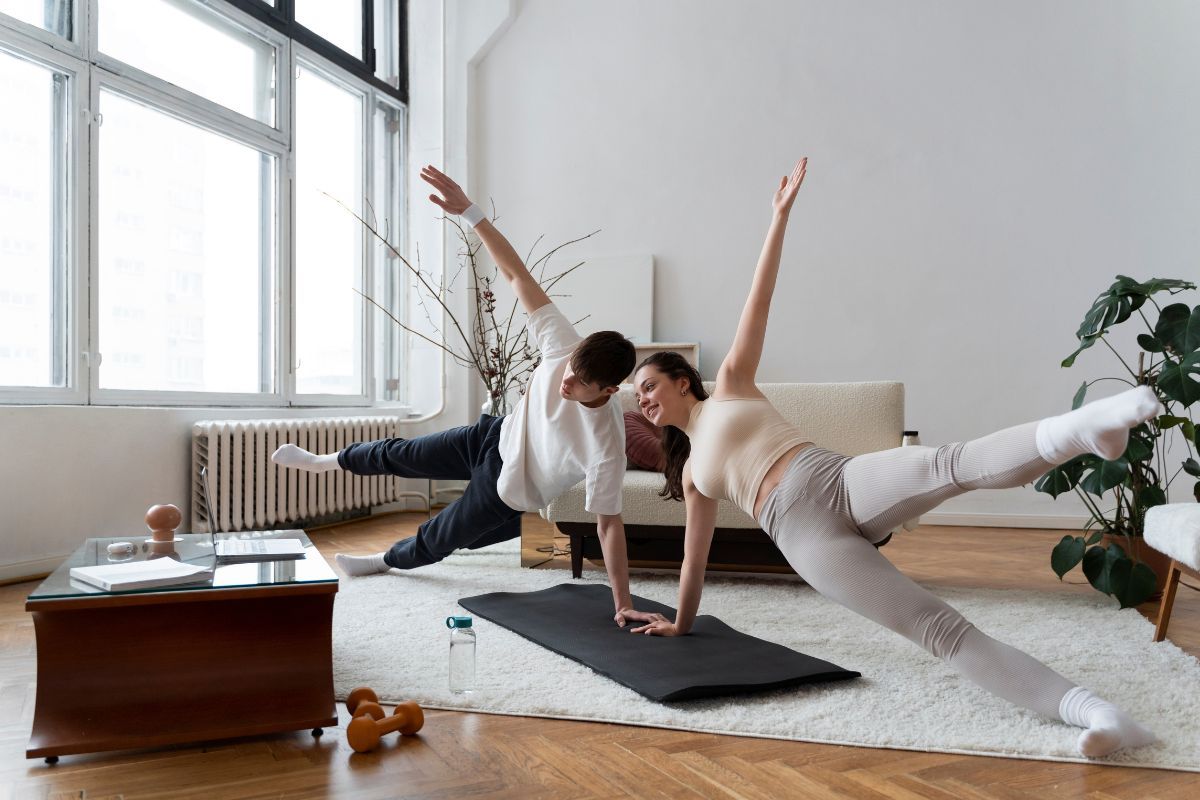
Source: magnific
Finding the best group exercises at home
The best group exercises at home are the ones your group can perform safely, enjoy together, and repeat consistently. Bodyweight circuits, partner drills, dance workouts, yoga, HIIT, strength training, and fitness games can all be effective when they suit the people taking part.
You do not need a large workout space or expensive equipment to get started. A cleared living room, a timer, and a few familiar movements may be enough for a complete session. Squats, push-ups, lunges, planks, step jacks, and mountain climbers can improve strength, endurance, balance, and coordination when practiced regularly.
Choose exercises based on your group’s fitness levels, goals, available space, and preferred workout style. Offer easier and harder variations so beginners and experienced participants can train together without feeling pressured to move at the same pace. Keep the session organized, allow enough rest, and make proper form a priority.
Variety can help the routine stay enjoyable. Alternate between strength circuits, cardio challenges, walking workouts, mobility sessions, dance, and friendly fitness games. You can also rotate leaders, create shared playlists, track progress, and set realistic weekly challenges to keep everyone involved.
Consistency will have a greater impact than trying to make every workout extremely intense. A manageable 20- to 30-minute session completed regularly can support long-term progress and help exercise become part of the group’s normal routine.
Friends and families may only need a shared calendar or group chat to stay organized. Personal trainers and fitness instructors managing recurring sessions can use Rezerv’s group fitness management software to organize schedules, bookings, attendance, payments, and participant communication.
Start with a few simple exercises, see what your group enjoys, and build from there. When workouts feel accessible, social, and rewarding, people have more reasons to keep showing up.
Cheers,
Friska
Read more: A girl’s guide to staying consistent with fitness