Running Clinical Pilates programs in your studio
Learn how pilates studios run clinical and rehabilitation pilates programs, including client assessments, instructor qualifications, and structured training plans.
More studio owners are starting to offer clinical pilates programs to support clients who need more than a regular fitness class. These programs are often designed for people recovering from injuries, managing chronic pain, or working on movement limitations with closer guidance and more structured progression.
For studio owners, adding this service can open the door to a more specialized client base and a stronger business offering. In this article, we’ll look at what clinical pilates programs are, who they are for, how they are structured, and what it takes to run them safely in a studio setting.
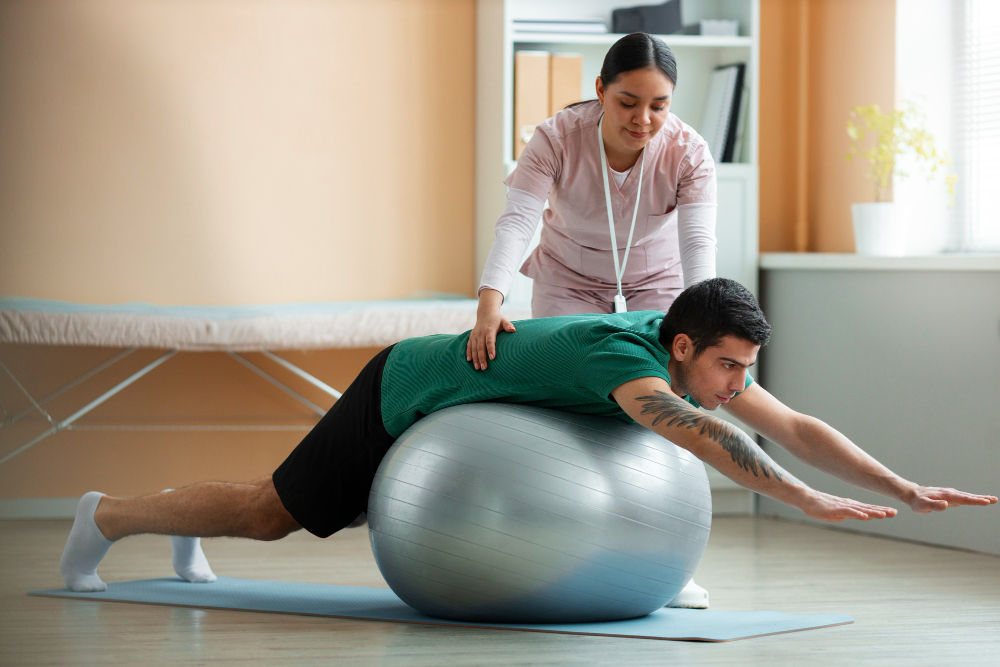
Source: Freepik
I. What is Clinical or Rehabilitation Pilates?
Clinical Pilates, sometimes called rehabilitation Pilates, is a more tailored form of Pilates designed for people dealing with pain, injury, movement limitations, or recovery after treatment.
Instead of following a standard class format, the exercises are chosen based on what the client can do safely at that stage. Rehab-based Pilates methods such as APPI are built around gradual progressions, so clients do not need a high fitness level to begin.
The biggest difference from general fitness Pilates is the goal. A regular Pilates class usually focuses on strength, flexibility, posture, and overall body conditioning. Clinical Pilates focuses more on restoring movement, improving control, and helping clients move with less pain or less compensation.
It is often used for people who need a gentler, more structured approach. HSS notes that Pilates can be especially helpful for people with pain or injuries because it is low impact and supports mobility, core strength, and body awareness.
A simple way to look at it is this:
- General Pilates supports fitness, strength, and flexibility
- Clinical Pilates supports recovery, movement retraining, and safer progression
- General classes often follow a shared plan
- Clinical sessions are adjusted to the individual client’s condition and limitations
In clinical Pilates, the same exercise may be changed in several ways. The instructor might reduce the range of motion, lower the resistance, slow the tempo, or use equipment for extra support.
That matters because recovery is rarely linear. A client with back pain, post-surgery weakness, or joint instability may need a very different starting point from someone joining Pilates for general fitness. APPI’s training approach specifically breaks exercises into levels so instructors can scale them up or down safely.
Controlled movement and proper alignment are central to these programs. Clients are not pushed to move fast or chase intensity. The focus is on moving well, activating the right muscles, and building stability around the spine and joints.
For studio owners, this means clinical Pilates is not just another class style to add to the timetable. It usually requires closer supervision, more thoughtful progressions, and a stronger assessment process at the start. That extra structure is exactly why it appeals to clients who want safe, guided support instead of a one-size-fits-all session.
II. Common conditions addressed in Clinical Pilates
Clinical Pilates is often used for clients who need more support than a standard class can provide. In many studios, that includes people dealing with ongoing pain, recovering from injury, or rebuilding strength and mobility after a physical setback.
Because the exercises can be adjusted so precisely, clinical Pilates works well for clients who are not ready for fast-paced group sessions but still need guided movement.
Back and spinal issues
Back-related concerns are some of the most common reasons clients look for rehabilitation-based movement. This may include lower back pain, poor posture, weak core support, or reduced spinal stability.
In these cases, the goal is usually not to make clients move harder. It is to help them move better. That often means improving deep core control, reducing strain, and building strength around the spine in a gradual way.
Clinical Pilates can also be useful for clients with postural imbalances. Some clients spend years sitting for long hours, moving poorly, or compensating around pain. Over time, that can affect alignment, muscle activation, and overall movement quality. A more controlled Pilates approach gives instructors room to slow everything down and retrain those patterns properly.
Post-injury rehabilitation
Another common group includes clients recovering from sports injuries or surgery. These clients often need to rebuild strength step by step instead of jumping straight back into regular exercise. They may still have stiffness, weakness, poor control, or a fear of re-injury. Clinical Pilates gives them a more structured progression, starting with supported, low-load exercises before moving into more demanding work.
This is one reason rehabilitation clients usually do better in private sessions or very small groups first. Their needs are often too specific for a general class setting. They may need extra cueing, closer supervision, and modifications that would be difficult to manage in a larger group.
Joint and mobility limitations
Clinical Pilates is also often used for joint-related and mobility-related issues, including shoulder instability, hip restrictions, and knee rehabilitation. These clients may not be dealing with a major injury, but they still need exercises that improve control, stability, and range of motion without adding unnecessary strain.
Pilates equipment and carefully scaled movements can help instructors work around those limitations while still keeping clients active.
For studio owners, this matters because not every client walking into a Pilates studio is looking for the same thing. Some want fitness. Others want a safe path back to movement.
Clinical Pilates programs help you serve that second group with more care and more structure, especially when recovery takes time and progress needs to be measured more carefully.
III. Initial assessments for rehabilitation clients
Before a client joins a clinical Pilates program, they need a proper starting point. An initial assessment helps you understand how they move now, what is affecting them, and what kind of exercises are safe to begin with.
In rehabilitation-focused settings, that first check is important because clients often arrive with pain, weakness, stiffness, limited mobility, or a history of injury that makes a standard class approach too broad.
A good assessment usually looks at a few key areas:
- Mobility and range of motion so you can see where the client is restricted or overly loose.
- Posture and alignment to spot imbalances that may be adding strain or changing how they move.
- Movement patterns and functional control such as how they sit, stand, bend, balance, or walk.
- Injury history and symptoms including pain triggers, surgery history, medical advice, and any current limitations or precautions.
This process helps you identify a safe entry point. Some clients may be ready for light reformer work right away. Others may need very basic mat-based exercises, supported positions, or one-on-one guidance first. The goal is to match the program to the client’s actual condition, not the version of them they hope to get back to immediately.
Assessments also help you decide who should not go straight into regular classes yet. A client may look fine at first glance, but still have poor control, pain with certain movements, or recovery limits that only show up during testing.
Starting them in a regular class too early can lead to frustration, poor technique, or slower progress. A structured assessment gives you a clearer plan, helps clients feel more confident, and sets the tone for a safer rehabilitation journey inside your studio.
IV. Structuring Clinical Pilates programs
A strong clinical Pilates program needs more than a list of exercises. It needs a clear progression. Clients in rehabilitation usually move through stages, starting with what feels safe and manageable, then building toward better strength, control, and confidence over time.
A structured plan also helps your studio deliver a more consistent experience, especially when different instructors are involved.
Private or small group sessions
Most clinical Pilates programs begin with private sessions, or at least very small groups. That setup gives instructors enough time to watch movement closely, correct technique, and make adjustments based on pain, mobility, or injury history.
It also gives clients a more supportive environment at the start, which matters when they are still cautious about moving. In some cases, private sessions are the safest way to begin before joining a broader class setting.
Gradual progression of exercises
Progression should be steady, not rushed. Most clients need to begin with low-load movements that improve control and stability before they move on to harder exercises, more resistance, or more complex sequences.
In rehabilitation, the goal is usually to build a solid base first. Better movement quality comes before intensity. When clients progress too fast, they are more likely to compensate, lose form, or flare up symptoms.
A simple progression often looks like this:
- Start with supported, low-load exercises
- Build control, alignment, and confidence
- Increase range, resistance, or coordination gradually
- Move into more functional and demanding exercises when the client is ready
This kind of step-by-step structure makes it easier to match the program to the client’s recovery stage instead of pushing everyone through the same path.
Transitioning clients to regular classes
As clients improve, some can move into regular Pilates classes. That transition should happen carefully. The client needs enough control, strength, and movement confidence to keep up safely in a less individualized setting.
For studio owners, this is where program design matters. A clinical pathway should not end abruptly. It should guide clients from one-on-one rehabilitation work into mainstream classes at the right time, with the right level and the right instructor support.
When this structure is done well, it benefits both the client and the studio. Clients get a safer recovery experience with a clearer sense of progress. Studios create a service that feels more professional, more intentional, and easier to manage long term.
V. Instructor qualifications for Clinical Pilates
Running clinical Pilates programs calls for more than general teaching experience. Clients in rehabilitation often need movement support that is more specific, more cautious, and more closely supervised than a standard fitness class. That is why instructors should have formal Pilates training plus additional education in rehabilitation-focused methods.
Clinical Pilates systems are commonly taught through structured certification pathways that include exercise progressions, observation, practice teaching, and assessment.
A strong instructor also needs a solid understanding of how the body works. That includes anatomy, biomechanics, movement patterns, and the way common injuries affect exercise selection.
In a rehabilitation setting, it is not enough to know how to demonstrate an exercise. The instructor needs to understand why an exercise is appropriate, when it should be modified, and when it should be avoided altogether.
Collaboration matters too. Some rehabilitation clients come in with guidance from a physiotherapist, doctor, or other healthcare provider. In those cases, the instructor should be able to work within those recommendations and communicate clearly when needed.
A studio does not need to operate like a clinic, but it does need instructors who can stay within their scope and support the wider recovery plan rather than guess their way through it.
For studio owners, this affects hiring, training, and service quality. An instructor with the right background can deliver safer sessions, build more trust with clients, and handle progression with better judgment.
That becomes especially important when your studio is working with clients who have pain, mobility restrictions, post-surgery limitations, or long recovery timelines.
A simple checklist for clinical Pilates instructors looks like this:
- Certified Pilates training
- Additional rehabilitation-focused education
- Strong knowledge of anatomy and injury mechanics
- Confidence in exercise modification and progression
- Ability to work alongside healthcare professionals when needed
VI. Equipment used in Rehabilitation Pilates
Equipment plays a big role in clinical Pilates because it helps instructors adjust exercises to the client’s condition. Instead of forcing everyone to do the same movement the same way, equipment makes it easier to add support, reduce load, control resistance, and guide better movement patterns. That is especially useful for clients recovering from pain, injury, or surgery.
Reformer
The reformer is one of the most commonly used pieces of equipment in rehabilitation Pilates. It uses springs for resistance, which allows exercises to feel more controlled and easier to adjust than many bodyweight movements on the mat. For rehabilitation clients, that control matters. Instructors can make movements lighter, smaller, and more supported while still helping clients build strength, coordination, and stability.
Cadillac
The Cadillac, also called the trapeze table, is especially useful for clients who need more support. Its frame, bars, springs, and straps allow for assisted and fully supported movement, which can be helpful when a client is not ready for more demanding exercises. In a rehabilitation setting, it gives instructors more ways to support recovery while still keeping the session active and structured.
Chair and Barrel
The chair is often used for targeted strength, balance, and control work. In a clinical setting, it can be useful for both seated and standing exercises, which makes it a practical tool for helping clients progress from basic rehabilitation work into more functional movement.
The barrel is often used to support spinal movement, flexibility, posture, and core work. It can also make certain positions more comfortable for clients who need extra support.
For studio owners, the main point is not just having more equipment. It is knowing how each piece helps you modify exercises for different bodies and different recovery stages. That is what makes clinical Pilates feel more precise, more adaptable, and safer for clients who need a more careful approach.
VII. Managing Clinical Pilates programs in a studio
Running clinical Pilates programs is not just about delivering sessions. It involves planning, tracking, and staying consistent across the client’s entire journey. Compared to general classes, rehabilitation clients usually need more structure, more communication, and closer monitoring over time.
1. Scheduling private rehabilitation sessions
Most clinical clients start with private sessions, so your schedule needs to support that. You may need to block out dedicated time slots for one-on-one or small group sessions, separate from your regular class timetable.
It also helps to:
- leave buffer time between sessions for notes or adjustments
- avoid overloading instructors with back-to-back rehab clients
- group similar types of sessions to keep operations smoother
A well-organized schedule makes it easier to manage both rehabilitation clients and general fitness classes without overlap or confusion.
2. Tracking client progress
Progress tracking is a key part of clinical Pilates. Clients are often working toward specific goals, such as reducing pain, improving mobility, or returning to normal activity. Without tracking, it is hard to know if the program is actually working.
You do not need anything overly complex, but you should have a system to record:
- initial assessment results
- session notes and exercise progressions
- changes in pain, mobility, or strength
- milestones or readiness for the next stage
This also helps instructors stay aligned if multiple team members are working with the same client.
3. Maintaining communication
Some clients may be working with physiotherapists or other healthcare providers. In those cases, clear communication becomes important. This might include following exercise guidelines, respecting movement restrictions, or updating progress when needed.
Even when no external provider is involved, communication with the client matters. They need to understand what they are working on, what progress looks like, and what to expect next. That helps manage expectations and builds trust.
VIII. Common challenges in running Clinical Pilates programs
Clinical Pilates can be a valuable service for your studio, but it also comes with added demands. These programs usually need more planning, closer supervision, and a slower pace than regular classes. That is why many studio owners run into a few common challenges as they grow this side of the business.
1. Balancing rehab clients with regular classes
One of the biggest challenges is managing two very different types of clients at the same time.
Rehabilitation clients often need private sessions or very small groups. They may need more support, more exercise adjustments, and more time with the instructor. Regular fitness clients, on the other hand, are usually part of a larger class schedule with a faster pace.
This can create pressure on your timetable. If the schedule is too full, instructors may not have enough time to review client notes, prepare modifications, or switch smoothly between rehab sessions and regular classes.
2. Making sure instructors are properly trained
Clinical Pilates clients need more than a general class instructor. They need someone who understands injuries, movement limitations, and how to progress exercises safely.
That can be a challenge for studios because:
- not every Pilates instructor has rehab-focused training
- qualified instructors may be harder to find
- extra training takes time and money
For studio owners, this means building a strong clinical Pilates program often depends on hiring carefully and investing in staff development.
3. Managing slower progress
Rehabilitation clients usually progress more slowly than general fitness clients. Some may improve steadily, but others may need longer periods of basic work before they are ready for the next step.
That can be difficult to manage because clients sometimes expect faster results. They may want to return to normal activity quickly, even when their body still needs more time.
Studios need to be prepared for this slower pace. Clinical Pilates is often about steady improvement, not quick transformation.
4. Setting realistic expectations
Clear communication is a big part of running these programs well. Clients need to understand what the process may look like from the beginning.
This includes explaining:
- why they may need private sessions first
- why progress may take weeks or months
- why some exercises need to stay simple at the start
- when they may be ready to move into regular classes
When expectations are not clear, clients can feel frustrated or discouraged. When expectations are managed well, clients are more likely to trust the process and stay committed.
FAQs
What is the difference between Pilates and clinical Pilates?
Clinical Pilates is a more tailored form of Pilates designed for injury recovery, pain management, and movement improvement. Regular Pilates focuses more on general fitness, strength, flexibility, and posture.
Can Pilates help with injury rehabilitation?
Yes. Clinical Pilates can support injury rehabilitation by improving core strength, alignment, stability, and controlled movement. It is often used for back pain, post-injury recovery, and mobility issues.
Do clinical Pilates classes require private sessions first?
In many cases, yes. Private sessions or an initial assessment help instructors understand the client’s condition and choose safe starting exercises before moving into group classes.
Who should teach rehabilitation Pilates programs?
Rehabilitation Pilates should be taught by qualified Pilates instructors with additional training in clinical or rehab-focused Pilates, anatomy, and exercise modification.
How long does a clinical Pilates program usually last?
The length of a clinical Pilates program depends on the client’s condition, goals, and progress. Some clients need a few weeks, while others may need ongoing support over several months.
.jpg)
