First time booking a fitness class? Here’s what to expect
Booking your first fitness class? Here’s what to expect before, during, and after your session, plus simple tips to help you feel more prepared and confident.
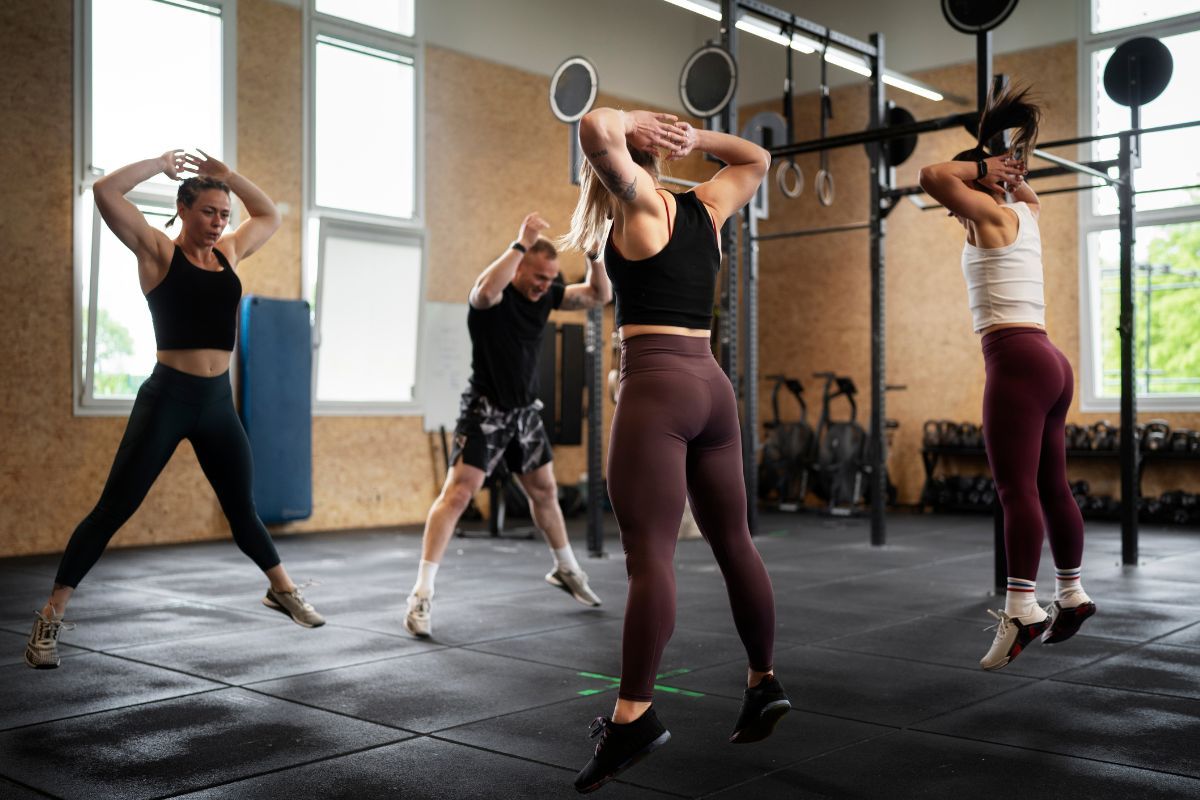
Source: Freepik
New to fitness classes? Start here
Booking your first fitness class can feel exciting, but let’s be honest, it can also feel a little intimidating. You might be wondering what the class will be like, what you should bring, whether everyone else will be more experienced, or what happens if you can’t keep up.
Those thoughts are completely normal, especially when you’re trying something new.
Fitness classes are not only for people who already know what they’re doing.
In fact, many people join group classes because they want guidance, structure, and motivation. Instead of figuring everything out alone, you get an instructor to lead the session, a set schedule to follow, and a group environment that can make working out feel less boring.
Your first class doesn’t have to be perfect. You don’t need to have the “right” fitness level, the trendiest workout outfit, or know every movement before you walk in. What matters most is choosing a class that fits your goal, showing up prepared, and giving yourself permission to learn as you go.
In this article, we’ll walk you through what to expect before, during, and after booking your first fitness class.
Before you book
Before you book your first fitness class, take a few minutes to understand what kind of class you’re signing up for. Not every class has the same pace, intensity, or structure.
A yoga class, for example, will feel very different from a HIIT class. Pilates may focus more on controlled movements and core strength, while strength training usually involves resistance exercises, weights, or bodyweight movements.
If you’re new to fitness classes, start by checking the class description. Most studios will mention the class type, duration, difficulty level, and what you can expect during the session. Look for words like “beginner,” “intro,” “foundation,” “low-impact,” or “all levels.” These classes are usually more suitable if you’re still building confidence or getting used to group workouts.
It also helps to think about your personal goal. Do you want to build strength, improve flexibility, move more during the week, reduce stress, or simply try something fun? If your goal is relaxation and mobility, yoga or stretching classes may be a good start.
If you want to improve strength without jumping into something too intense, beginner strength, barre, or Pilates can be easier to follow. For cardio, look for low-impact or beginner-friendly conditioning classes before trying more advanced sessions.
You don’t need to choose the hardest class to make progress. In fact, choosing a class that matches your current level can make your first experience much better. When the class feels manageable, you’re more likely to enjoy it, finish it safely, and feel motivated to book again. Fitness should challenge you, but it should not leave you feeling lost, overwhelmed, or discouraged on your first try.
If you’re unsure, check the studio’s website or booking page before making a decision. Platforms like Rezerv make it easier for studios to show class schedules, session details, memberships, and booking options in one place, so customers can choose a class that fits their schedule and comfort level. You can also contact the studio directly and ask which class they recommend for beginners.
For a broader guide on physical activity, you can refer to the American College of Sports Medicine’s physical activity guidelines. But for your first class, keep it simple, pick something that feels approachable, read the details carefully, and give yourself room to learn.
What happens after you book a class
Once you’ve chosen a class that fits your level and schedule, the next step is usually pretty simple: you select the time slot, confirm your booking, and follow the instructions from the studio. Depending on the studio, you may need to create an account, log in to your existing profile, purchase a drop-in class, or use an active package or membership to reserve your spot.
After your booking is confirmed, you’ll usually receive the important details you need before showing up. This may include the class date and time, studio location, instructor name, arrival instructions, cancellation policy, and anything you need to bring. Don’t skip this part.
Even if you already know where the studio is, the booking confirmation can tell you small but useful things, like whether you need grip socks, whether mats are provided, or how early you should arrive.
Many fitness studios now use online booking systems to make this process easier for customers. Instead of calling the studio or sending a message just to check availability, you can view the schedule, choose a class, and secure your spot in a few clicks.
One thing you should always check after booking is the cancellation or rescheduling policy. Some studios allow you to cancel a few hours before class, while others may have stricter rules, especially for popular classes with limited spots.
This matters because if you cancel too late or don’t show up, you may lose a class credit or be charged a no-show fee. It’s not meant to scare you, it simply helps studios manage capacity and give other customers a chance to join.
If the class is full, you may also see a waitlist option. This means you can still register your interest, and if someone cancels, the studio may offer the spot to the next person in line. If you join a waitlist, keep an eye on your email, app notification, or message from the studio so you don’t miss the update.
Before the class day, it’s a good idea to save the booking details somewhere easy to access. Check the address, estimate your travel time, and make sure you know how the check-in process works. A little preparation can make your first visit feel much less stressful, especially if you’re going to a new studio or attending during a busy time.
The main thing to remember is that booking a class is not just about reserving a spot. It also helps you plan ahead, understand what to expect, and show up feeling more prepared. Once the booking is done, you’ve already taken the first real step. Now, you just need to get there.
What to prepare before your first class
A little preparation can make your first fitness class feel much smoother. You don’t need to bring your whole closet or buy every trending workout accessory, but you do want to show up with the basics covered. The goal is simple: feel comfortable, move safely, and avoid last-minute stress before class starts.
Start with your outfit. Wear something you can move in easily, whether that’s leggings, shorts, a breathable top, or a simple workout set. You don’t have to dress like a fitness influencer.
Just choose clothes that stay in place, feel comfortable when you stretch or bend, and won’t distract you during the session. For shoes, check the type of class first. Strength, HIIT, dance, and conditioning classes usually need proper training shoes, while yoga, Pilates, and barre may require bare feet or grip socks.
Next, bring a water bottle and a small towel. Even if the class looks low-impact, you may still sweat more than expected, especially if it’s your first time moving in a structured class environment. Staying hydrated helps you feel better during the session, but don’t overthink it. Drink water throughout the day, take small sips when needed, and listen to your body.
You should also check whether the studio provides equipment. Some classes include mats, dumbbells, resistance bands, boxing gloves, or reformer machines, while others may ask you to bring your own mat or rent specific items.
This is why it’s worth reading the booking confirmation carefully. If the studio uses a booking platform like Rezerv, you may be able to see class details, schedule information, and booking instructions before you arrive.
Food timing matters too. Try not to come on a completely empty stomach, but avoid eating a heavy meal right before class. A light snack, such as a banana, yogurt, toast, or a small smoothie, can be enough if you need energy. If you’re taking a more intense class, give your body enough time to digest so you don’t feel uncomfortable during movement.
Lastly, plan to arrive 10 to 15 minutes early. This gives you time to find the studio, check in, use the restroom, fill your water bottle, and settle into the space. It also gives you a chance to tell the instructor that it’s your first class, which is always a good idea.
They may offer modifications, explain the flow of the session, or help you feel more at ease before things begin.
Think of preparation as your way of removing small worries before class starts. When you already know what to wear, what to bring, where to go, and when to arrive, you can focus on the actual experience instead of feeling rushed or unsure.
What to expect when you arrive
Arriving at a fitness studio for the first time can feel a bit awkward, especially if you don’t know where to go or what to do first. But in most studios, the process is simple. You’ll usually check in at the front desk, mention your name, and confirm the class you booked.
Some studios may also ask you to fill out a short waiver, especially if it’s your first visit.
If the studio uses an online booking system, your reservation may already be in their system before you arrive. This makes check-in faster because the staff can quickly confirm your class, package, or membership.
With platforms like Rezerv, fitness businesses can manage bookings, customer profiles, class schedules, and memberships in one place, helping customers move from booking to check-in more smoothly.
Once you’re checked in, the staff may show you where to place your belongings, where the restroom is, and which room or area your class will be in. If you need equipment, such as a mat, dumbbells, boxing gloves, resistance bands, or grip socks, this is the time to ask. Don’t feel embarrassed about asking basic questions. Studios are used to welcoming first-timers, and it’s always better to ask than to spend the first few minutes feeling unsure.
Before class starts, the instructor may ask if anyone is new, has injuries, or needs movement modifications. Be honest here. You don’t need to explain your full fitness history, but it helps to say if it’s your first class or if there’s anything they should know.
For example, if you have knee pain, back discomfort, or you’re returning to exercise after a long break, the instructor may suggest easier options or remind you which movements to adjust.
It’s also a good idea to choose a spot where you can clearly see and hear the instructor. You don’t have to stand in the front row if that makes you nervous, but try not to hide too far in the back either. A middle or side spot usually works well because you can follow along without feeling like everyone is watching you.
And honestly, most people are not paying attention to what you’re doing. They’re focused on their own workout, their breathing, their form, or simply trying to get through the class too. So if you miss a step, grab the wrong weight, or take a break, it’s fine. That’s part of being new.
If you have a health condition, injury, or you haven’t exercised in a long time, it may also be worth checking general exercise safety guidance from trusted sources like the American College of Sports Medicine before starting a new routine.
But for most first-timers, the best thing you can do when you arrive is simple, check in, ask questions when needed, tell the instructor you’re new, and give yourself a few minutes to settle in.
During the class
Once the class starts, the most important thing to remember is this: you’re not there to perform. You’re there to learn, move, and get a feel for the class. It’s completely normal if you don’t know every exercise, miss a transition, or need to look around before you understand what to do next. Everyone has a first class, even the people who now look like they know exactly what they’re doing.
Most fitness classes follow a simple structure. You’ll usually begin with a warm-up, move into the main workout, and end with a cool-down or stretch. The warm-up helps prepare your muscles and joints for movement, while the main session focuses on the class goal, whether that’s strength, cardio, flexibility, endurance, or technique. The cool-down gives your body time to slow down gradually before you leave.
During the session, listen closely to the instructor’s cues. They may explain how to position your body, how fast to move, when to breathe, or how to make an exercise easier or harder. If they offer modifications, use them.
Choosing a lighter option does not mean you’re doing badly. It means you’re training smart and adjusting the workout to your body, which is exactly what you should do as a beginner.
If something feels challenging, that’s normal. If something feels painful, stop. There’s a big difference between muscle effort and sharp discomfort. You may feel your heart rate increase, your muscles work, or your body get tired, but you should not ignore pain, dizziness, or anything that feels wrong. Take a break, drink water, or let the instructor know if you need help.
Try not to compare yourself with the people around you. Some may have attended the class for months. Others may already be familiar with the movements. But their pace is not your pace. Focus on your own form, breathing, and comfort level. You’ll get much more out of the class when you pay attention to how your body feels instead of worrying about how you look.
It can also help to use a simple effort check during class. Ask yourself: “Can I still breathe properly? Can I control my movement? Can I keep going without forcing it?” If the answer is no, slow down. Trusted fitness resources like the American Council on Exercise often emphasize safe, sustainable movement over pushing too hard too soon, especially when you’re still building consistency.
And if you booked your class through an online system, remember that this first session is also part of learning what works for you. Maybe you’ll love the class and want to book again.
Maybe you’ll realize you prefer a different instructor, time slot, or workout style. That’s the benefit of browsing class schedules through platforms like Rezerv, where customers can explore available sessions and choose what fits their routine.
Your first class does not need to be your best class. You just need to show up, follow what you can, rest when needed, and finish with a better understanding of what your body enjoys. That’s already a win.
After the class
After the class ends, don’t rush out immediately. Most sessions finish with a short cool-down, stretching, or breathing exercise to help your body slow down after movement. This part may feel simple, but it matters. It gives your heart rate time to settle and helps you leave the class feeling more grounded instead of suddenly stopping after an intense workout.
Once the session is over, take a few minutes to hydrate, wipe down any equipment you used, and collect your belongings. Some studios may have specific post-class rules, especially if the class uses shared mats, dumbbells, reformer machines, boxing gloves, or other equipment. If you’re unsure what to do, just follow what other members are doing or ask the staff. Nobody expects you to know everything on your first visit.
You may also have a quick interaction with the instructor or front desk team after class. They might ask how you felt, suggest another class, or explain available packages and memberships.
This is a good time to ask questions while the experience is still fresh. For example, you can ask whether the class was suitable for beginners, which session you should try next, or how often you should attend based on your goal.
It’s also normal to feel sore the next day, especially if the class involved movements your body is not used to. This is often called delayed onset muscle soreness, or DOMS.
According to the Cleveland Clinic, this type of soreness usually appears one to three days after challenging exercise. Mild soreness is common, but sharp pain, swelling, dizziness, or discomfort that feels unusual should not be ignored.
After your first class, give yourself a moment to reflect. Did you enjoy the instructor’s style? Was the pace manageable? Did the schedule work for you? Did you feel comfortable in the studio environment? These small observations can help you decide whether to book the same class again or try a different one.
If you liked the experience, consider booking your next class before your motivation fades. This is where online booking can make consistency much easier. With platforms like Rezerv, customers can explore available sessions, book classes, and manage their schedule more conveniently, while studios can keep their class availability organized in one place.
Your first class is not only about the workout itself. It’s also about learning what kind of fitness routine fits your lifestyle. Maybe you’ll discover that morning classes help you start the day better. Maybe evening sessions work better after work. Or maybe you’ll realize that a specific instructor, class type, or studio atmosphere makes you more excited to come back.
The best next step is simple: recover well, notice how your body feels, and choose a class you can realistically attend again. Fitness becomes easier when it fits into your life, not when it feels like another stressful task on your calendar.
FAQ
1. Do I need to be fit before joining a fitness class?
No, you don’t need to be fit before joining a fitness class. That’s actually one of the reasons fitness classes exist: to help you move with guidance, structure, and support. Many studios offer beginner-friendly or all-level classes, so you can start from where you are instead of waiting until you feel “ready.”
The key is to choose a class that matches your current level. If you’re completely new, look for classes labeled “beginner,” “intro,” “foundation,” “low-impact,” or “all levels.” You can also tell the instructor it’s your first time so they can offer modifications when needed.
2. What should I bring to my first fitness class?
For most fitness classes, you’ll need comfortable workout clothes, a water bottle, and a small towel. Depending on the class, you may also need grip socks, a yoga mat, boxing gloves, or training shoes. The exact requirements can vary, so always check the class details before you go.
If the studio uses an online booking platform like Rezerv, you may be able to view the class schedule, session details, and booking instructions before your visit. This can help you prepare better and avoid showing up without something important.
3. How early should I arrive before class?
Try to arrive 10 to 15 minutes early, especially for your first class. This gives you enough time to check in, find the studio, use the restroom, store your belongings, and settle into the space before the session starts.
Arriving early also gives you a chance to speak with the instructor. You can let them know you’re new, ask where to stand, or mention any injuries or movement limitations. That small conversation can make the whole class feel less intimidating.
4. What if I can’t keep up with the class?
That’s completely normal. You’re not expected to keep up with everyone on your first try. Some people in the room may have been attending the same class for weeks or months, so don’t compare your beginning to someone else’s routine.
If the pace feels too fast, slow down. If a movement feels too difficult, use a modification. If you need a break, take one. A good fitness class should challenge you, but it should still feel safe and manageable for your body.
5. Is it okay to join a fitness class alone?
Yes, it’s absolutely okay to join alone. Many people attend fitness classes by themselves, especially if they’re trying a new studio, building a routine, or fitting workouts into their own schedule.
At first, walking in alone may feel a little awkward. But once the class starts, most people are focused on their own workout. You may even find that group classes are a nice way to feel connected without needing to bring someone with you.
6. Can I cancel or reschedule after booking?
This depends on the studio’s cancellation policy. Some studios allow you to cancel or reschedule a few hours before class, while others have stricter rules for late cancellations or no-shows. Always check the policy before booking, especially if your schedule changes often.
Cancellation rules help studios manage limited class spots. If you cancel early enough, someone else may be able to take your place. If you cancel too late, you may lose a class credit or be charged a fee, depending on the studio’s terms.
7. What type of fitness class is best for beginners?
The best beginner class depends on your goal and comfort level. If you want something slower and more controlled, yoga, Pilates, barre, or stretching classes can be a good starting point. If you want to build strength, try a beginner strength or foundation class. If you prefer something energetic, look for low-impact cardio or beginner dance fitness.
Don’t choose a class just because it looks popular online. Choose one that feels realistic for your body, schedule, and confidence level. You can always try something more advanced later once you feel more comfortable.
8. Will I feel sore after my first fitness class?
You might feel sore after your first class, especially if your body is not used to the movements. This kind of soreness is common after new or challenging exercise and may show up one to three days later. Light movement, hydration, rest, and gentle stretching may help you feel better.
However, soreness should not feel like sharp pain or serious discomfort. If you feel intense pain, swelling, dizziness, or symptoms that don’t improve, it’s better to stop exercising and seek professional advice.
9. How do I know if I should book the same class again?
After class, ask yourself a few simple questions. Did you like the instructor? Was the pace manageable? Did the class match your goal? Did the schedule work for you? Did you feel comfortable in the studio?
You don’t have to love every class you try. Sometimes, the first class simply helps you understand what you prefer. If the experience felt positive and realistic for your routine, booking again can help you build consistency.
Conclusion
Booking your first fitness class can feel like a big step, especially when you don’t know exactly what to expect. But once you understand the process, it becomes much less intimidating. You choose a class, confirm your spot, prepare the basics, arrive a little early, and follow along at your own pace. That’s really it.
You don’t need to be the strongest, most flexible, or most experienced person in the room. You just need to start with a class that fits your level and give yourself permission to learn. The first session is not about doing everything perfectly. It’s about getting familiar with the environment, understanding how your body feels, and discovering what kind of workout you might actually enjoy.
The more prepared you are, the easier the experience becomes. Reading the class description, checking what to bring, understanding the cancellation policy, and telling the instructor you’re new can make a big difference. These small steps help you walk into the studio with more confidence and less uncertainty.
And once you find a class that works for you, booking again becomes easier. A consistent fitness routine often starts with one simple decision: choosing a session and showing up. Online booking platforms like Rezerv can help make that process smoother by allowing customers to view schedules, book classes, and manage their sessions more conveniently.
So, if you’ve been thinking about trying a fitness class for the first time, take this as your sign to start simple. Pick a beginner-friendly class, prepare what you need, and focus on showing up. Your first class doesn’t have to be perfect. It just has to be the first step.