How fitness studios are building powerful communities (and why it’s the secret to client retention in 2026)
Events that give members a story to share. Coaches who remember the details. Tech that keeps the conversation going. And spaces that invite people to stay awhile.
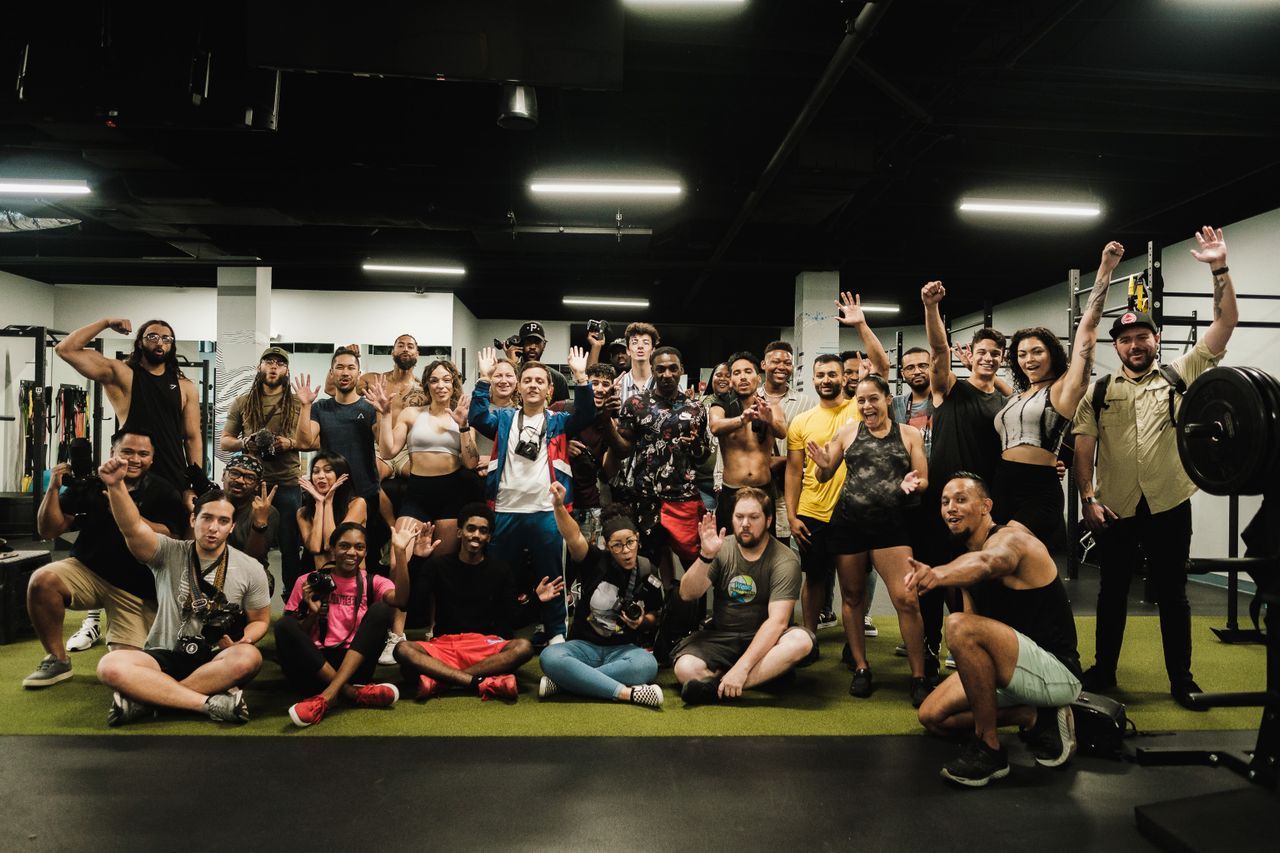
Walk into a fitness studio in 2026, and you'll feel it right away. The floor might hum with rowers and air bikes. But what actually powers the room is connection.
Post-pandemic habits reshaped how people move. Home workouts got better. Hardware got smarter. And streaming classes found their rhythm. That raised the bar for every in-person experience.
Now studios can't just sell access to equipment or a clever program. They need to offer something members can't download: a sense of belonging.
Community isn't just a nice extra anymore. It's the secret engine of client retention. Studios that understand this are finding that results follow when relationships come first.
Keep reading to learn how to improve your fitness studio and build a strong community.
Source: Pexels
The importance of community in fitness studios
Most people don't struggle with knowing what to do. They struggle with doing it consistently.
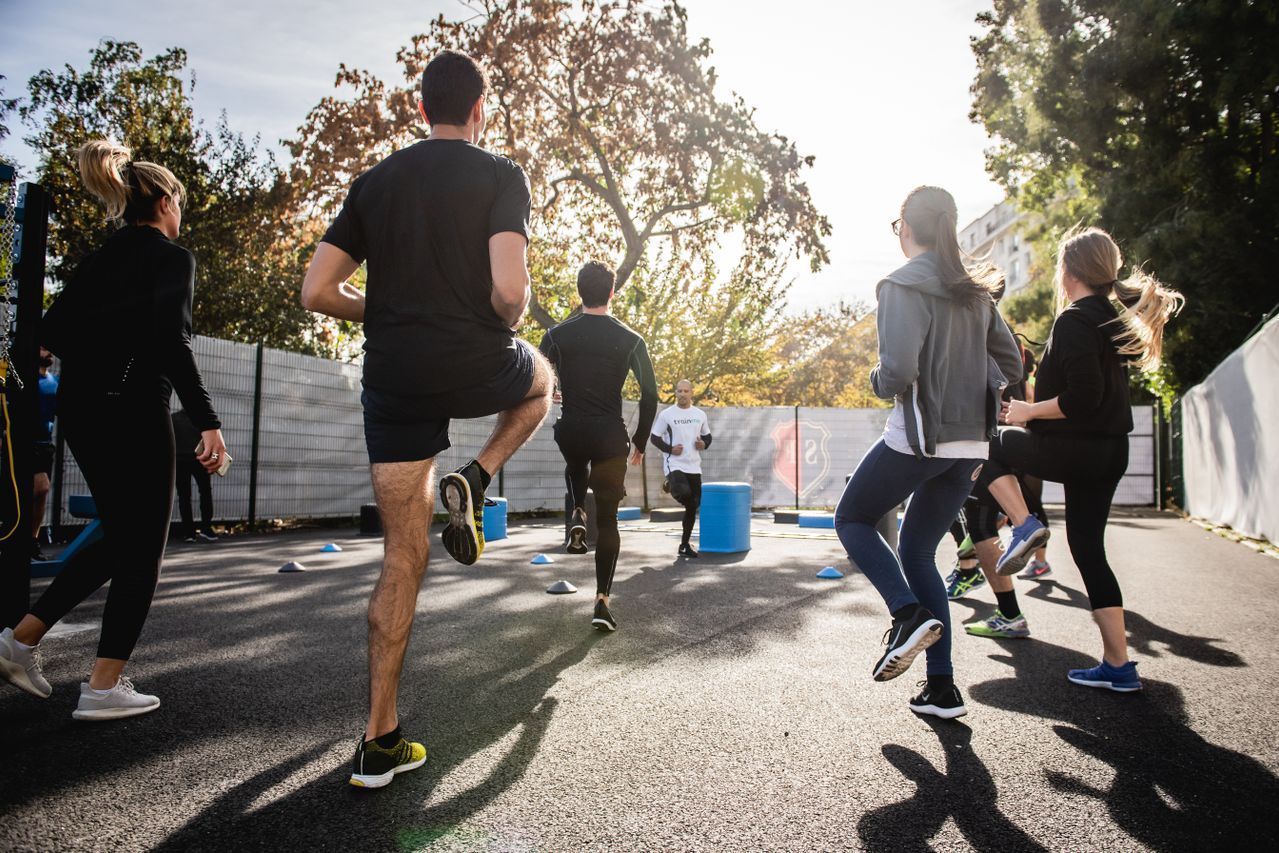
A strong community changes that. When you're part of a group, motivation stops relying on willpower alone. Pep talks fade by Wednesday. Peer support has staying power.
Bryan Henry, President of PeterMD, understands the importance of ongoing support in helping people stay committed to their health and wellness goals.
From his health perspective, fitness studios can create a similar sense of accountability by giving members a community that supports them beyond the workout itself.
Henry says, "Health goals are easier to maintain when people feel supported rather than left to figure everything out on their own.”
He adds, “Fitness studios can build that same kind of support by creating an environment where members know they're recognized and encouraged. That sense of connection can turn a workout routine into a lasting commitment."
Research backs this up: socially supported exercise programs show better adherence and improved wellbeing.
Group-based activity has been shown to reduce stress and improve quality of life compared with going it alone. Especially when the program builds camaraderie and shared goals.
When members feel seen and supported, they stick to the plan. They celebrate progress and bring friends along. You can feel that loyalty when the class fills up five minutes before start time.
Source: Pexels
Fitness studio strategies: How to build strong communities
1. Offer exclusive member events and workshops
Community grows when people have reasons to connect beyond the daily sweat. Beyond fitness classes, hold curated events like monthly challenges, guest speaker nights, and weekend workshops.
Events are where the real bonds form. A monthly challenge or a weekend workshop gives members a shared goal and a story to tell together afterward. Those moments of camaraderie are what turn a roster of strangers into a genuine community.
Monthly challenges with friendly leaderboards work well:
- Doing guest talks on sleep or nutrition
- Special interest workshops for runners or new parents
- Member-led hikes or charity workouts for shared purpose
Members come for the event and leave with inside jokes and new training partners. More importantly, one more reason to show up next week.
Read also: Gym event ideas to boost engagement and retention
2. Incorporate tech for community engagement
Strong studios not only promote physical fitness but also make the community portable. The connection doesn't end when the last cooldown stretch does.
Digital spaces should extend the in-studio experience. Not replace it. Use apps and social channels to keep the conversation alive after members leave the floor.
A group chat celebrating someone's personal record or a leaderboard for a monthly challenge keeps people engaged and connected around the clock. So, the community never really closes its doors.
Simple tools go a long way:
- Class group chats
- Goal-tracking streaks
- Small-group DMs and post-class recaps
- Even a quick push notification
3. Create a welcoming physical environment
Layout tells a story before anyone says a word. If members funnel in and out without space to pause or post their next goal, you miss key moments where relationships form.
Physical layout directly shapes how much members interact. Design either invites conversation or shuts it down. So, don’t just build a fitness studio but an accessible, inclusive wellness center for everyone.
When you add comfortable lounge areas and a well-placed community board, you give people a reason to linger and connect. A space that encourages people to stay is a space that builds relationships.
Small changes help:
- Adding a communal table where members can stretch or sip coffee
- Keeping a visible board for PRs and member spotlights
- Placing check-in and retail in areas that spark natural hellos rather than hurried exits
Source: Pexels
4. Encourage instructor-client relationships
Coaches are culture carriers. The good ones connect with people first, programming second.
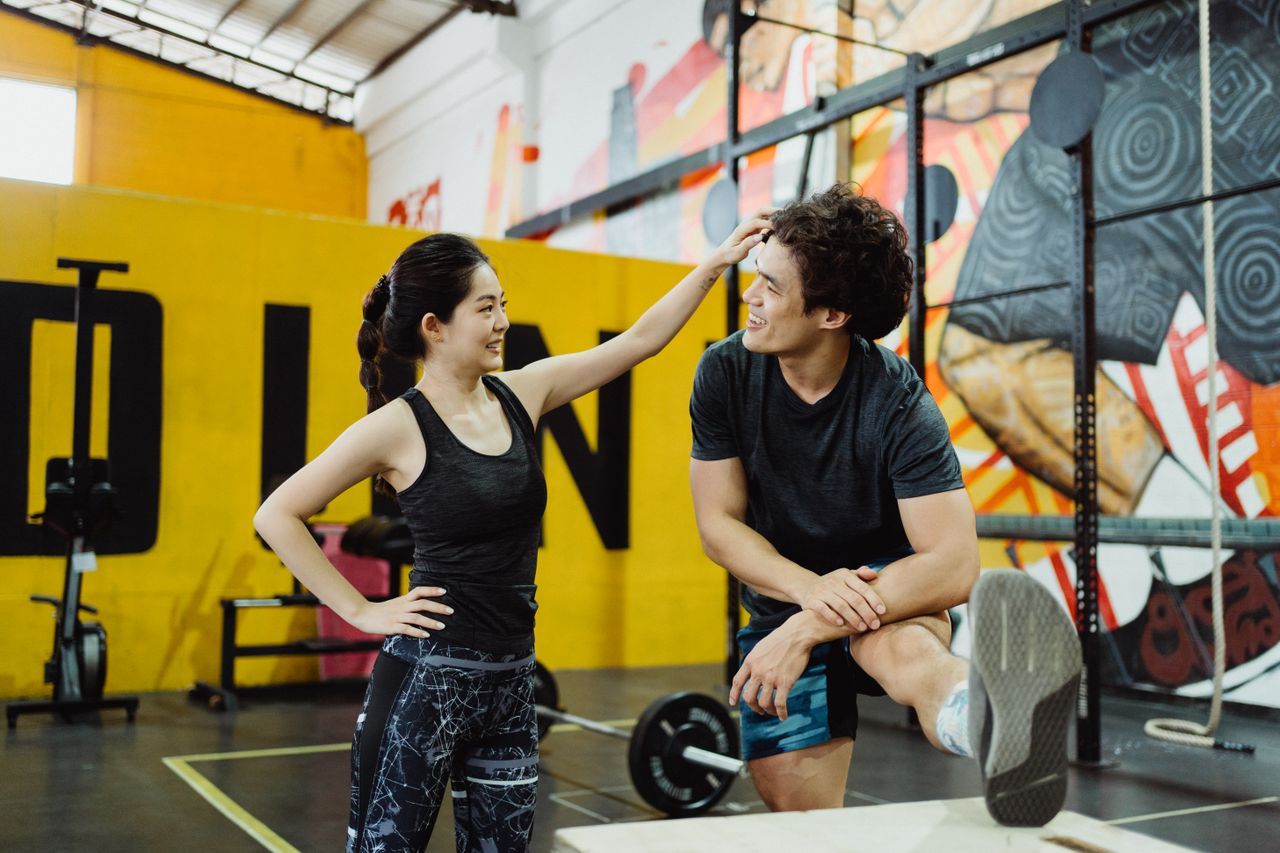
It’s best to invest heavily in your teaching staff so they can connect on a personal level. A personal trainer remembers more than your form. They remember your name, your goals, your motivations, and your frustrations. Even the injury you mentioned last month.
For example, trainers can partner with an e-commerce apparel business to source blank apparel for custom studio merchandise.
Members could vote on designs for challenge shirts, with the finished products sold through the studio’s online store or member portal. This gives members a shared identity while creating an additional e-commerce revenue stream for the studio.
That said, train your coaches to check in personally with every client. Why? Because that individual attention is what makes someone feel like they truly belong here.
Remember: coach-led check-ins matter. So does using people's names and following up with a quick message after a tough session. People don't forget how you made them feel when they were trying something hard.
Case studies: successful community-centric fitness studios
1. Breathe Pilates (Singapore)
They celebrate their community anniversary every year and regularly hold teacher-training spotlights, workshops, etc., where Pilates veterans interact with new members to improve socialization and welcome them into the Pilates world.
2. Sana Studio (Indonesia)
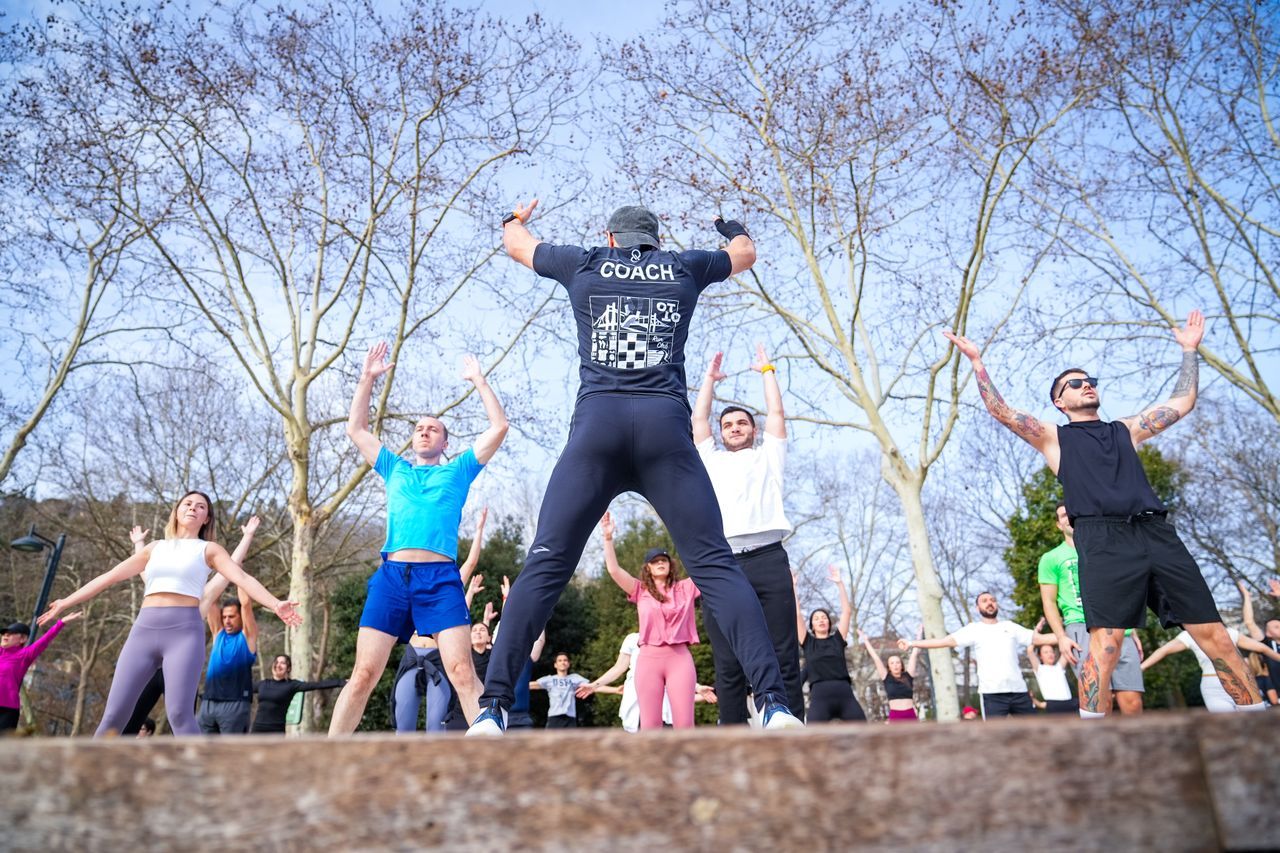
They conduct community runs on weekends and bring presenters of Zumba Instructor Network (ZIN) to turn routine cardio sessions into literal dance parties. Their mission seems to be turning Zumba into a big occasion with EDM beats, loud outfits, and building an interactive environment.
3. Anytime Fitness (G Village, Malaysia)
Anytime Fitness runs special weekend drives and hosts interactive events. On weekends and public holidays, they host team bootcamps and welcome neighbors who are not active members of the gym. By offering free access, music, and door gifts, they attract lots of fitness enthusiasts from the neighborhood.
Source: Pexels
Future trends: The role of community in the fitness industry
The community isn't static. It's getting smarter and more seamless.
That said, expect hybrid models to keep evolving. Your training partner might be across town or across time zones. Yet they still show up on your phone with a nudge right before class.
Conrad Wang, Managing Director of EnableU, works at the intersection of technology and business enablement. Where digital tools help organizations create more connected and efficient experiences.
He sees a similar opportunity for fitness studios as technology becomes more integrated into the member experience. And it’s about more than leveraging fitness trackers for a community-based studio.
Wang explains, "Tech can make fitness communities more connected without taking away the human element. The most successful studios will use digital tools to keep members engaged between sessions, encourage accountability, and make it easier for people to participate.
He concludes, “When technology supports real relationships instead of replacing them, it can turn a fitness studio into a community that members stay connected to every day."
Several shifts are already in motion:
- Smaller, values-based subgroups within a large membership are forming.
- Always-on channels let members swap tips and rideshares.
- Member-led programming gives clients ownership and voice.
- Spaces designed for learning and celebrating are replacing the quick-in, quick-out model.
Studios that treat connection like part of the program design will have an edge. This, as new tech and changing schedules keep rewriting routines.
Final words: building community into your studio
People stick to places where they feel known.
Events that give members a story to share. Coaches who remember the details. Tech that keeps the conversation going. And spaces that invite people to stay awhile. These are what make a studio hard to leave.
It doesn't have to be complicated. Pick something simple and act on it this month.
For one, host a new-member coffee. Start a five-day streak challenge with a friendly team leaderboard. Ask coaches to message three members a day with a quick check-in. Track engagement the same way you track attendance.
Remember: community makes fitness human. When you get the human part right, retention follows.
If you need an all-in-one platform to optimize your fitness studio for a stronger community, Rezerv can help. Book a demo to start a one-month free trial!
Read next: What is a gym community & how to build one?
