How to calculate your daily calorie needs for weight loss or gain
You must find your daily energy needs first to control your weight.
If you're looking to lose weight, gain weight, or maintain your weight, your daily calorie requirement is important. Calories are the unit of energy your body requires daily for function, movement and survival.
Each person needs a different number of calories. It will depend on your age, height and weight, gender and activity level. You burn calories while you sleep too. This is the amount of energy you use at rest (Basal Metabolic Rate – BMR). The total daily energy expenditure (TDEE) is the sum of all your daily activities.
When the calories consumed are less than what the body requires, weight loss occurs. More = More weight. You will maintain your weight if you consume the same amount of food. However, the correct number varies from person to person.
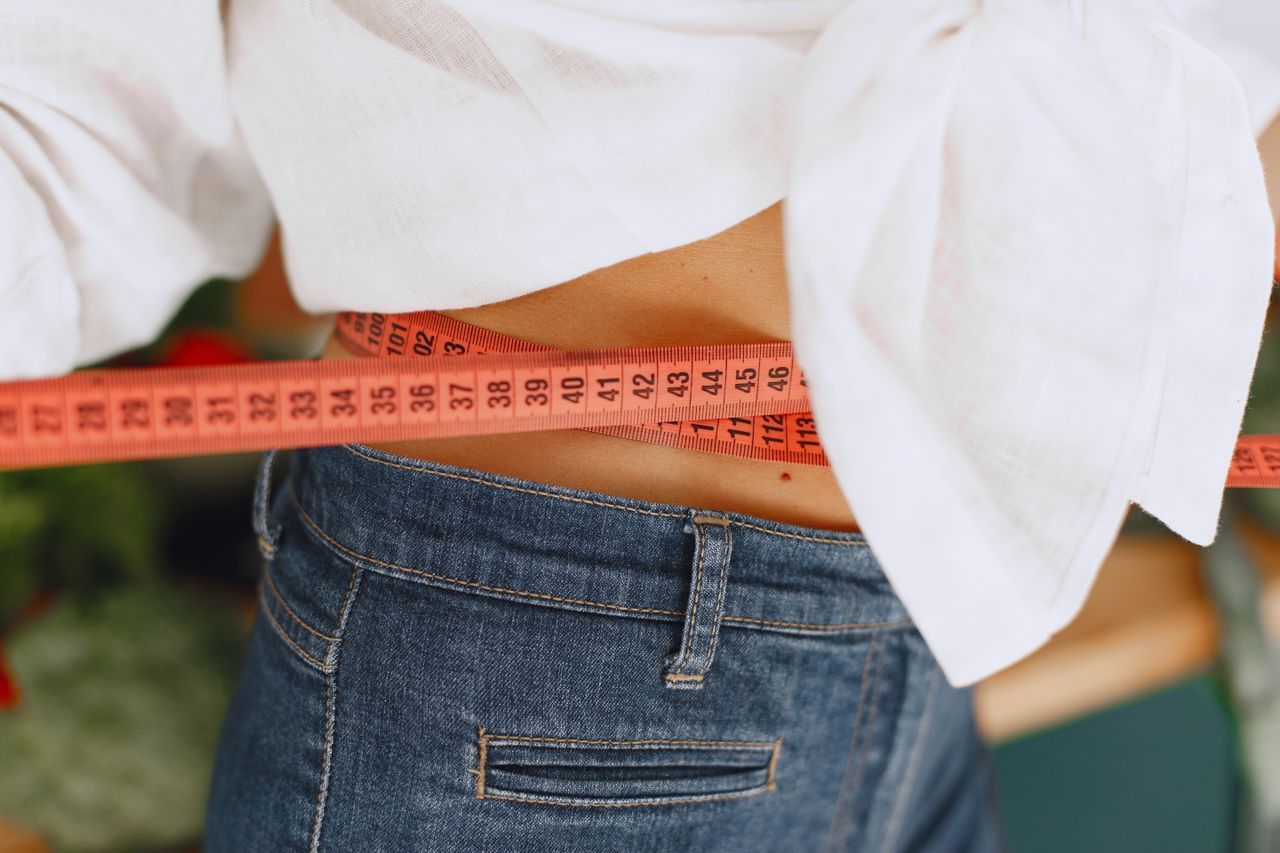
Here are the steps to calculate your daily calorie needs and how to use this number for your health goal.
Source: Pexels
What are calories?
Calories are a measurement of energy that is provided by food and drink.
Your body burns this fuel to stay alive and move every second. Every internal organ requires a constant supply of energy to survive. Your heart pumps blood continuously through this fuel. Your brain processes thoughts, and your lungs breathe through the same energy source.
Food provides the essential raw materials for your physical energy. Macronutrients include three main groups. You get protein, carbohydrates, and fats from your food.
Fats provide the highest energy density. Protein and carbohydrates give less energy per gram. Both still play an important role in your health.
You store extra energy when you consume more fuel than you burn. The body converts this extra fuel into fat tissue for later use. You utilize stored tissue when you consume less food. This simple balance determines your success on the scale. You must understand this balance to master your physical transformation.
Daily calorie needs explained
Your daily calorie need is the total energy you burn in twenty-four hours. Health professionals call this number your Total Daily Energy Expenditure. You stay at the exact same weight when you match this intake.
This total number comes from three distinct areas of your daily life.
- Your body burns energy to maintain basic survival functions first. This process occurs even when you rest in bed all day.
- Second, you burn fuel to process and digest the nutrients you eat.
- Third, your regular physical movement and workouts consume a major portion of energy.
Many people think only workouts burn fuel. However, your automatic body functions consume the largest share of your energy. Your liver, brain, and kidneys work non-stop every day. They need constant fuel to keep you safe and healthy. You must feed this baseline demand before you plan your exercise goals.
For more detailed information on the best pre-workout food, see our comprehensive guide.

Source: Pexels
Key factors that change your calorie needs
No single calorie number fits everyone perfectly. You have a unique body, and your daily energy needs depend on your personal lifestyle choices. All these distinct elements combine to create your total requirement. You can look at the main reasons below to understand how your body spends energy.
1) Age
Your body burns less energy as you get older. Because your internal metabolism naturally slows down over time. You lose a little bit of muscle mass each decade. You need less food to maintain your weight in your later years.
2) Gender
Men need more calories than women on average. This difference exists because male bodies tend to possess more natural muscle mass. Muscle tissue uses far more energy than fat tissue does. Women naturally hold more fat tissue for biological reasons. So their baseline energy needs remain lower.
3) Body size
Larger bodies require more energy to function every day. A taller and heavier person burns more total calories than a smaller individual. Your organs must work harder to sustain more physical tissue. You need extra fuel to move a heavier frame across the room.
4) Muscle mass
Muscle tissue acts like a hot furnace in your body. It burns a high amount of calories even when you sit or rest. A person with high muscle mass requires a larger intake of food. High body fat percentages create a much lower daily energy demand.
5) Activity level
Greater physical movement increases your total calorie burn immediately. Active jobs or frequent gym workouts raise your fuel needs significantly. Desk jobs leave your requirements at a much lower level. You must match your daily food intake directly to your physical effort.
6) Sleep and stress
Poor sleep and high stress levels impact your metabolism negatively. They alter your internal appetite signals fast. These tough conditions change how your body utilizes and stores food energy. Rest protects your weight journey.

Source: Pexels
How to calculate your daily calorie needs
The average number of calories you require in a day can be easily calculated by using an online calorie counter. Provides you with an accurate prediction of what you should consume daily, depending on your profile. Follow the following simple steps:
- Click here: https://www.perfcalculator.com/calorie-calculator to open the calorie calculator:
- Fill in your age, sex, height, and weight to make it easier for the calculator to interpret you.
- Pick your activity level (sedentary, lightly active, active, or very active).
- See your individual weight loss, maintenance, or gain statistics, depending on your weight loss goal.
- Use these results to plan your meals, keep track of your calories, and make better diet and fitness decisions.
Why you should calculate your daily calorie needs
Accurate calculations give you a clear understanding of your daily energy burn. You gain complete power over your health and weight. A clear baseline number removes all confusion from your meal plans. You no longer need to guess what to eat for your specific weight goals.
Solid numbers protect you from accidental overeating and undereating. Excess food increases your body fat, while extreme restrictions drain your physical energy. Real data allows you to create a safe and predictable routine. You can adjust your food portions precisely to drop fat or build new muscle tissue.
You should know about your total control in diet, weight, and health. So you can make smart adjustments and achieve permanent results.
Practical tips to control your calories naturally
Healthy habits make food management simple and stress-free. Body goals do not require extreme diets and constant hunger.
1. Focus on whole foods
Whole foods keep the stomach full for hours. Lean meats, fresh vegetables, and whole grains pack a lot of good nutrients. These items do not have a high calorie density.
2. Drink plenty of water
A person might grab a quick snack when the body just needs fluids. A clean glass of water before a meal solves this problem. This simple routine stops extra snacking instantly.
3. Track your food portions
A kitchen scale helps measure meals for a few weeks. Visual guesses usually fail. Exact measurements show the true size of standard food portions. This practice builds long-term awareness.
4. Increase daily step count
Formal workouts represent only a small fraction of daily movement. Walk more during the normal routine. Take the stairs instead of the elevator. Move around during phone calls. These small actions increase energy expenditure effortlessly.
Conclusion
You must find your daily energy needs first to control your weight. This step allows you to plan for weight loss, weight gain, or weight maintenance. You do not need to guess your food portions anymore.
Calories are not simple numbers. They provide the vital energy your body requires to maintain life. You make better diet decisions after you understand your baseline metabolism.
A digital calculator offers a quick estimate of your needs. The tool counts your requirements based on your age, height, weight, and activity level. You get a clear starting point to plan meals and monitor progress.
Small changes in your food choices create big improvements over time. You reach your goals safely when you stick to your target.
Read next: What is cutting in fitness? Complete guide (2026)
.jpg)
