Pilates class packs vs Monthly memberships, which one saves you more money?
Pilates class packs or monthly memberships? Not sure which is worth it? Let’s compare the costs and find out which one saves you more money
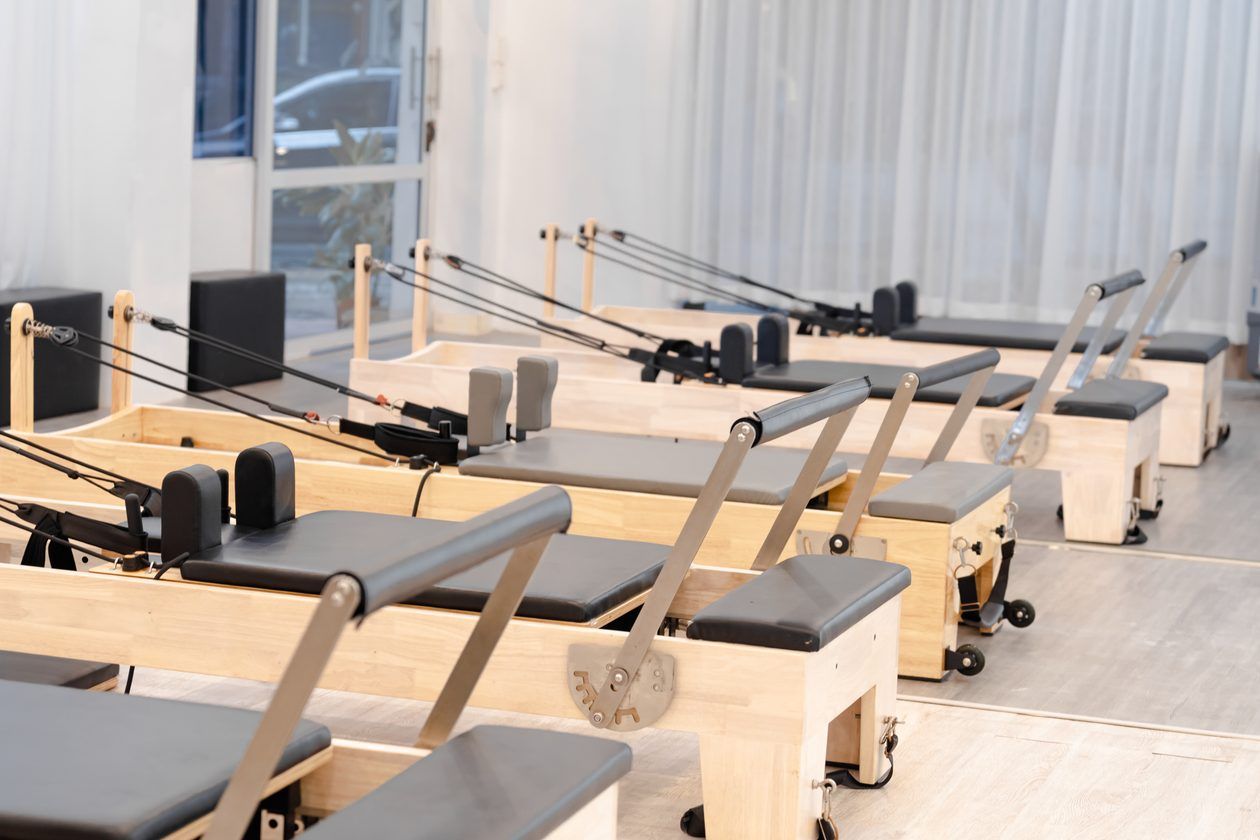
Source: Lê Đức on Pexels
So, you're thinking about getting a Pilates membership because it seems cheaper than buying individual classes. Sounds like a good deal, right? Well, not always. That unlimited membership might look great on paper, but if you only manage to show up four times a month, you could actually end up paying more per class.
Then there's the class pack option. You pay for a certain number of classes, use them when you want, and don't have to worry about a monthly subscription. Pretty convenient, except some packs come with expiration dates, so those unused credits could end up going to waste.
So, should you stick with class packs or go for a monthly membership? Let's break down the costs, compare a few real-life scenarios, and figure out which one gives you more value for your money.
What's the difference between Pilates class packs and monthly memberships?
Pilates class packs and monthly memberships seem pretty similar. Both let you book classes without paying the full drop-in price every time. The main difference is how you pay, how long you have to use your classes, and how much flexibility you get.
How Pilates class packs work
Think of a class pack as buying your Pilates sessions in bulk. Instead of paying for each class separately, you purchase a set number of credits upfront, usually in bundles of 5, 10, or 20 classes.
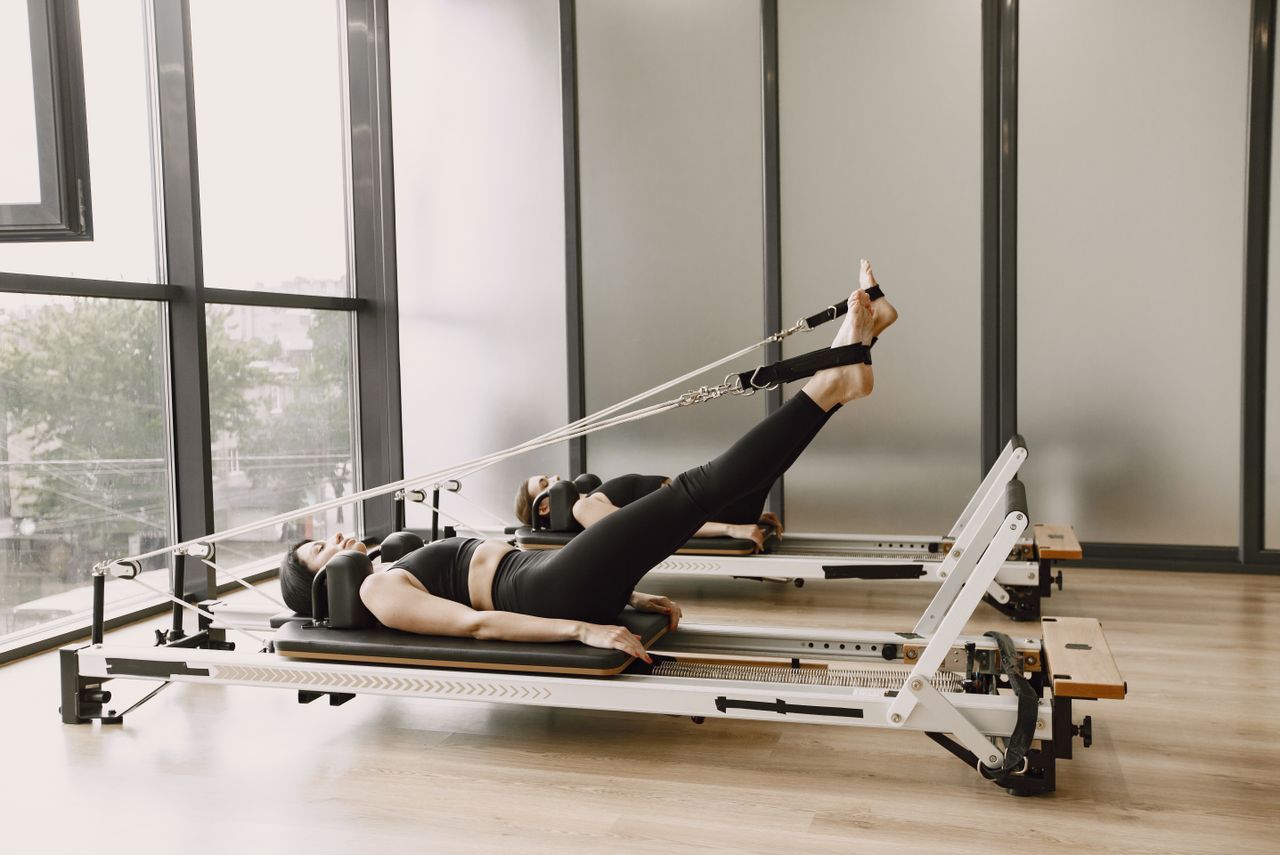
Source: Gustavo Fring on Pexels
For example, let's say your studio charges $40 for a single class but offers a 10-class pack for $320. That brings your cost down to $32 per class, saving you $80 compared to buying 10 individual sessions.
You can usually spread those classes across several weeks or months, depending on the studio's rules. You're not tied to a weekly schedule, which is great if your availability changes a lot.
Just keep an eye on the expiration date. Some class packs are valid for 30 days, while others give you several months to use your credits. If you don't finish your classes before the deadline, you could lose the remaining credits.
How monthly Pilates memberships work
A monthly Pilates membership works a little differently. You pay a recurring fee, and in return, you get access to a certain number of classes each month or an unlimited plan.
Most studios offer a few membership options, such as:
- 4 classes per month: Great if you plan to attend once a week.
- 8 classes per month: A good fit for a twice-a-week Pilates routine.
- Unlimited classes: Worth considering if you attend several times a week.
Memberships often come with lower advertised rates per class, especially if you're consistent. Some studios also offer perks like priority booking or discounts on additional classes.
The downside is you're paying for the membership even during months when you barely attend. And depending on the studio, unused class credits might expire at the end of your billing cycle.
Memberships can also have minimum commitments, cancellation notice periods, or restrictions on how many classes you can book per day. For example, Gaon Pilates Club's pricing page shows both one-time class packs and automatically renewing memberships, each with different validity periods and conditions.
Pilates class packs vs monthly memberships
Here's a quick comparison to help you understand what you're paying for.

Pilates class packs vs memberships cost comparison
A membership might offer a lower price per class, but that only works in your favor if you use it enough. Meanwhile, class packs can be more affordable for occasional visits, provided you use all your credits before they expire.
Comparing the cost of Pilates classes
Let's say your local Pilates studio offers these four pricing options:

These are hypothetical prices for illustration. Actual Pilates pricing varies by studio and location.
Looking at this table, the 8-class membership seems like the obvious winner at just $27.50 per class. But that's only what you're paying if you actually attend all eight classes.
If you only make it to four sessions that month, your cost jumps to $55 per class. That's even more expensive than paying the $40 drop-in rate.
Of course, real studios have different pricing rules. For example, Gaon Pilates Club's pricing page shows class packs with different validity periods alongside recurring membership options. It's a good reminder to check how long your credits last before committing to a package.
So don't choose a Pilates plan based on the biggest advertised discount. Think about how many classes you can realistically attend each month, then calculate what each session will actually cost you.
Hidden costs to check before choosing a Pilates plan
Some studios have rules around unused credits, cancellations, and membership commitments that can end up costing you more than expected. Here's what to look out for.
Class expiration dates and unused credits
Class packs give you flexibility, but that doesn't mean you can keep those credits forever. Most studios set an expiration date, and any classes you haven't used by then may be forfeited.
For example, Gaon Pilates Club offers a 5-class group Pilates pack valid for 42 days from the first booking, while its 10-class pack gives you three months. So, even though buying more classes can lower the price per session, you'll need enough time to use them.
Monthly memberships can have similar restrictions. If your plan includes eight classes but you only attend five, the remaining three might disappear when your next billing cycle starts. Not every studio allows unused classes to roll over.
Before buying, check when your credits expire and if the studio offers extensions.
Late cancellation and no-show fees
Many studios require you to cancel several hours before class starts. If your schedule changes frequently, these policies are worth paying attention to. A cheaper membership won't feel like much of a bargain if you're regularly paying for classes you couldn't attend.

Source: Ivan S on Pexels
Membership cancellation and auto-renewal
Unlike class packs, monthly memberships often renew automatically. That's convenient when you're attending regularly, but it can become an unwanted expense if you decide to take a break.
Some studios let you cancel before your next billing date, while others require advance notice or a minimum commitment period. You might still owe another payment even after requesting cancellation.
Check how many days' notice you need to give, when your membership renews, and if there's a fee for ending your contract early. It's also worth finding out if you need to submit a cancellation form rather than simply stopping your bookings.
Membership freezes and pauses
Some Pilates studios let you freeze your membership temporarily, which can be useful when you know you won't be attending for a while.
However, freezes aren't always free or available whenever you need them. For example, Persona Pilates publishes specific freeze periods and associated fees.
If you travel often or have an unpredictable schedule, check the freeze policy before signing up.
Which Pilates payment option fits your lifestyle?.
Here's how to choose based on how often you actually go.
If you attend Pilates once a week
If Pilates is something you enjoy doing once a week, a class pack is usually a better starting point than an unlimited membership.
Let's go back to our earlier example. With a 10-class pack at $320, you're paying $32 per class instead of the regular $40 drop-in rate. If you attend once a week, that pack should last around 10 weeks, assuming you don't miss any sessions.
That's a pretty good deal, as long as the credits don't expire before you use them.
You can also look for smaller packs or a four-class monthly membership if your studio offers one. Just compare the total cost and check how much flexibility you get.
If you attend Pilates twice a week
Going to Pilates twice a week? This is where monthly memberships can start making more financial sense.
At around eight classes per month, our example $220 membership brings your cost down to $27.50 per session. That's cheaper than the $32 per class you'd pay with a 10-class pack.
Plus, if you already have your Pilates days planned out, sticking to a monthly membership shouldn't be too difficult.
Just remember that twice a week doesn't always mean exactly eight classes every month. Some months have an extra occurrence of your usual class day, so check what happens if you need a ninth session.
If you attend Pilates three or more times a week
If you're going to Pilates three or four times a week, an unlimited membership could give you the best value.

Source: Ahmet Kurt on Pexels
Using our example $300 unlimited plan, attending 12 classes brings your cost down to $25 per session. Make it to 16 classes, and you're paying just $18.75 each time.
Of course, there's no need to squeeze in extra classes just to make your membership feel worth it. Your workout frequency should still match your fitness goals and recovery needs.
If you're unsure how many sessions to aim for, check out our guide on how often you should do Pilates to see results.
If your schedule changes frequently
Maybe you travel a lot for work, have unpredictable shifts, or simply don't want to commit to the same Pilates schedule every week. In that case, class packs might be the more practical choice.
You can book classes when you have time without feeling pressured to use a monthly allowance. A pack with a longer validity period is especially helpful if you know some weeks will be busier than others.
But don't automatically assume class packs are cheaper. If you only attend once or twice during a month and your credits are close to expiring, even a discounted pack could end up costing more than individual drop-in sessions.
A good way to decide is to look at your actual attendance over the last two or three months. Count how many classes you managed to attend, including those busy weeks when your plans didn't work out. That number will give you a much better idea of which Pilates plan fits your lifestyle and budget.
So which one should you choose?
If you only attend occasionally or your schedule changes a lot, class packs are probably your best bet. You get more flexibility without committing to a recurring payment. Just make sure you can use all your credits before they expire.
On the other hand, a monthly membership can save you more money if you're consistent. If you're attending Pilates two or three times a week, the lower cost per class can really add up.
Still unsure? Try a few drop-in classes or buy a smaller class pack to see how Pilates fits into your weekly routine before committing to a membership.
Frequently asked questions
Is it cheaper to buy Pilates classes in bulk?
Usually, yes. Buying a Pilates class pack often brings down the cost per session compared to paying the drop-in rate. For example, if a single class costs $40 and a 10-class pack costs $320, you're saving $8 per class.
Is a Pilates membership worth it if I only go once a week?
It can be, especially if your studio offers a four-class monthly membership at a good price. But if you only attend once a week, an unlimited membership probably isn't worth the extra cost.
Do Pilates class packs expire?
Yes, many Pilates studios set expiration dates for class packs. Depending on the studio, you might have anywhere from a few weeks to several months to use your credits.
Always check the expiration date before purchasing, especially if you're buying a larger package.
How many Pilates classes per month make a membership worth it?
It depends on the studio's pricing. Using our earlier example, a $220 monthly membership becomes cheaper than a class pack costing $32 per session once you attend at least seven classes per month.
The easiest way to find out is to divide the monthly membership fee by the number of classes you realistically expect to attend, then compare that with your other options.
Can I cancel or pause my Pilates membership?
Many Pilates studios allow membership cancellations or temporary freezes, but the rules vary. Some require advance notice, while others have minimum commitment periods or charge fees for pausing your membership.
Before signing up, ask how cancellations work, how much notice you need to give, and if you can freeze your membership when you're away.
If you're still deciding, you can also read Gym membership vs class packages: Which one is better for you? for a broader comparison of fitness payment options.
Read more: CrossFit open gym vs. Classes: Which is better for beginners?
.jpg)
