Pilates software Indonesia: 5 Best studio platforms (2026)
Compare 6 Pilates software platforms in Indonesia for 2026. Explore reformer booking, bed selection, QRIS payments, class packages, and pricing.

Source: Blue Bird on Pexels
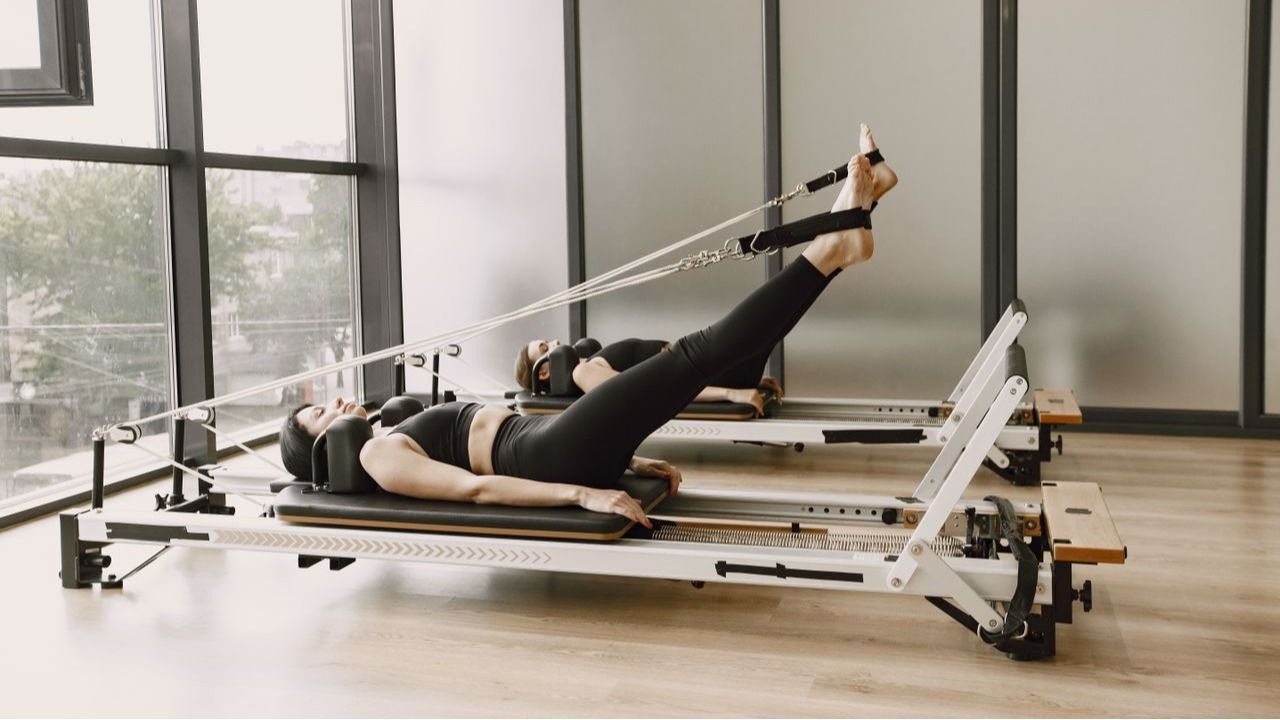
It's 6.45pm on a Tuesday, and five of the six beds in the 7.30pm reformer class are taken. A member asks on WhatsApp to use her package for the last bed, and a new client sends a QRIS screenshot for the same spot. Your admin still has to find that payment in the account statement, and if the replies cross, two people arrive for one reformer.
Equipment is what makes Pilates scheduling harder. A six-bed class holds six clients, and every empty bed is revenue the studio can't get back. A generic booking calendar shows the class time and a head count. It won't show which bed is free, whether a member's credits cover reformer or only mat, or whether a payment has come through.
Pilates software brings those answers together. Clients pick their own bed, credits come off the right package automatically, and a confirmed payment confirms the booking.
This article compares five Pilates software options for studios in Indonesia on reformer bed selection, credit rules, QRIS support, rupiah pricing and Bahasa Indonesia support. For the quick version, see the comparison table below.
Why managing a Pilates studio in Indonesia is different
Most Pilates studios start with the tools any small business in Indonesia already has: a WhatsApp Business number, an Instagram account, a bank account and a spreadsheet. With reformer equipment, that setup breaks down faster, because every booking is tied to a specific machine. These are the five places it usually breaks first.
When WhatsApp and Instagram DMs become the studio's booking system
Clients in Indonesia already live on WhatsApp. According to We Are Social's Digital 2026: Indonesia report, people spend an average of 1 hour 52 minutes a day on it. So that's where Pilates bookings start, and a reformer booking takes more back-and-forth than most. The admin has to check the class level, whether the client is new and needs an intro session first, whether a bed is free, and whether they've brought grip socks before.
Instagram adds a second inbox. The weekly schedule posted to Stories goes out of date the moment a bed is taken. When two admins share one WhatsApp number, both can confirm the last bed in the 7.30pm class to different clients within the same five minutes.
Managing reformer beds as limited booking resources
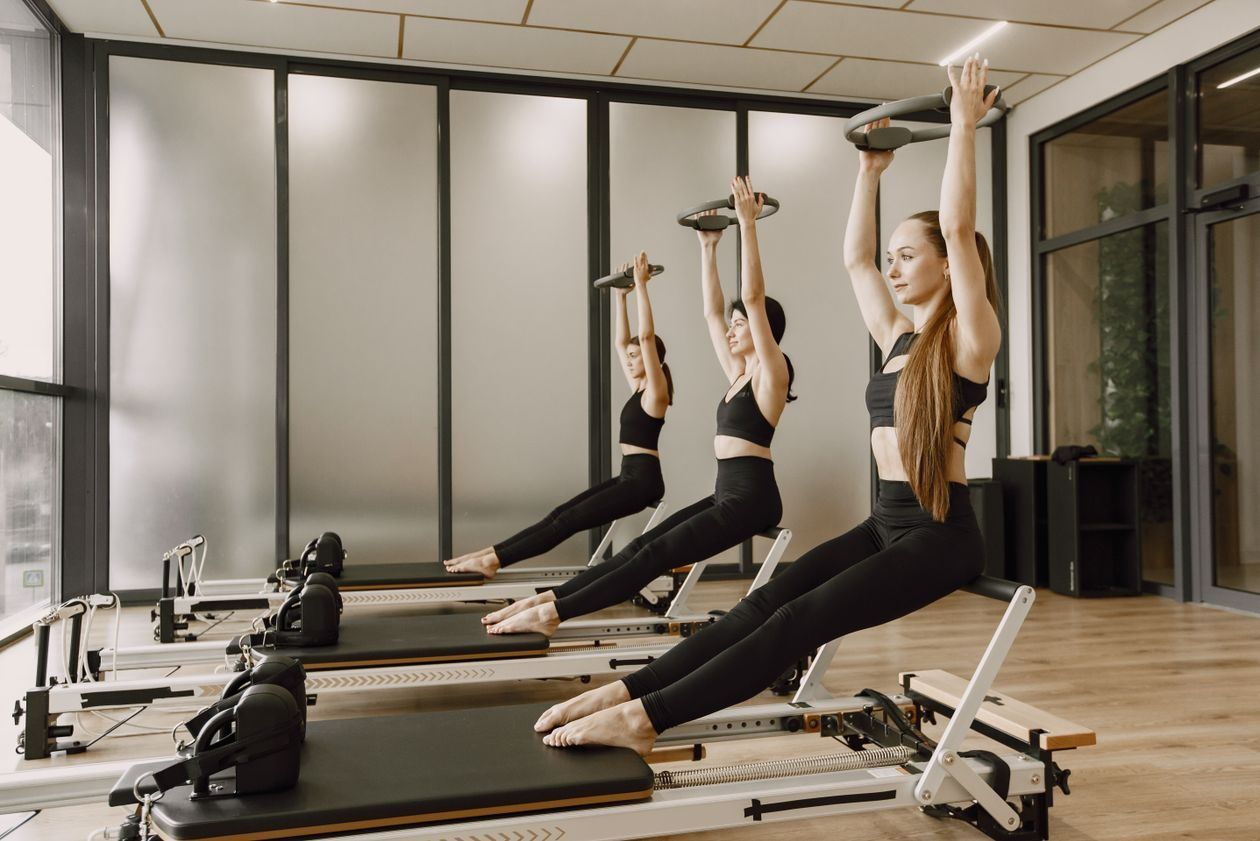
A reformer class can only hold as many clients as the studio has beds. Studio-grade reformers sold on Indonesian marketplaces are listed at around Rp24 million to Rp26 million each, with one listing on Tokopedia at Rp24,000,000. A six-bed studio has close to Rp150 million in equipment, and that equipment sets a hard limit on every class.
Source: Gustavo Fring on Pexels
That limit changes what a booking mistake costs. A double-booked bed means turning someone away at the door and refunding a session. A bed that's out of service for a spring repair cuts the class down to five, and every client already booked into that bed needs moving.
Tracking class packages, remaining sessions and expiry dates
Most studios sell sessions in packages: 5, 10 or 20 classes with an expiry date. Many price reformer, mat and private sessions differently, which means separate packages with separate credits. Tracking all of that by hand is where the errors creep in. A client uses a mat credit to book a reformer class. A 10-class package that expired last week still gets a booking. Two people sharing one package each think the other has used the last session.
Reformer sessions cost more than mat, so each of those mistakes costs more too. When a client asks how many sessions she has left, the answer shouldn't depend on which admin opens which spreadsheet.
Reconciling QRIS payments, bank transfers and unpaid reservations
Most clients pay by QRIS or bank transfer and send a screenshot as proof. The admin then opens the banking app, scrolls through the account statement and matches the amount and time to the right booking. That's manageable for a few bookings a day. It's slow when several clients book the same class from the same Instagram post.

Source: Tim Douglas on Pexels
Unpaid reservations make it harder. A client who books a bed and says "I'll transfer later" is holding a spot that someone else could have paid for. If the studio holds the bed, it risks an unpaid no-show. If it releases the bed, it risks turning away a client who did pay but hasn't sent the screenshot yet.
Handling cancellations without leaving reformer beds empty
In a six-bed class, one late cancellation takes away a sixth of that class's revenue. ClassPass's guide to cancellation policies calls a 12-hour window the common standard across fitness and wellness. Enforcing it by hand means checking message timestamps, deciding whether to deduct the credit and messaging the waitlist one by one.
Small classes leave less room to recover. If a client cancels at 6pm for a 7.30pm class, the admin has about an hour to fill the bed before it stays empty. An automatic waitlist that notifies the next client the moment a bed opens, like Rezerv's waitlist settings, turns that hour into a filled bed instead of a lost session.
Each of these problems takes a few minutes to deal with. Repeated across every class, they take up most of an admin's day. Section C covers the features that handle them automatically.
Features to compare in Pilates software for Indonesia
Section B covered the jobs that eat up a Pilates admin's day. These are the features that take them over, and what to check for each one when you compare platforms.
Reformer bed maps and real-time bed selection
Most booking tools limit how many people can book a class. Pilates software should also show which beds are taken. A bed map displays the studio layout with numbered reformers, and clients tap the one they want. Regulars who always take the bed by the mirror can book it again, and the front desk sees the room exactly as it will look at class time.
In a demo, ask the vendor to take one reformer out of service for a single class. The software should block that bed without cancelling the class or forcing you to rebuild the timetable. Rezerv's spot booking lets clients choose their spot when they book, and EasyWeek lets you set up individual reformers as bookable resources.
Class scheduling, capacity limits and instructor availability
Build the weekly timetable once and let it repeat, with an instructor assigned to each class and capacity set by equipment: six for the reformer room, twelve for mat. Booking should close automatically when the last bed goes.
Instructor availability matters more in Pilates than in most studios. Many instructors teach group reformer classes and private sessions in the same week, so the schedule needs to stop the same instructor being booked for both at 10am on Saturday.
Separate credit rules for reformer, mat and private sessions
A credit ledger tracks every session a client has bought, used and has left, by package type. Set the rules once, for example "reformer credits book reformer classes only" and "private credits book privates only", and the system enforces them at every booking. Expiry dates count down automatically, and clients can check their own balance without messaging the front desk.
Also check whether packages can be shared. Couples and friends who train together often buy one package and draw credits from it. Rezerv handles this with shareable packages.
QRIS, bank transfers and automatic payment verification
Ask how payments actually get confirmed. On some platforms, the client pays inside the booking flow and the system confirms the payment and the bed together. On others, the admin records each QRIS or transfer payment by hand, often with an uploaded screenshot as proof. Both are better than a spreadsheet, but only the first one removes the matching work completely.
Rezerv takes QRIS, GoPay, OVO and DANA at checkout through its payment partners, and offers manual QR payment as an add-on on Starter and Team. ForEach Pilates records payments manually by default and offers automatic QRIS confirmation as an add-on through your own Midtrans or Xendit account.
Automatic waitlists and cancellation rules
Set the cancellation window once, for example 12 hours before class, and let the software enforce it. A cancellation inside the window deducts the credit, and one outside it returns the credit to the package. When a bed opens, the waitlist should either offer it to the next client or book them in automatically.
Check the details for small classes. Can you set a shorter waitlist cut-off for evening classes, so a bed released at 7pm for a 7.30pm class still gets filled? Can you charge a no-show fee to clients on unlimited memberships, who have no credit to lose?
Booking from a link, a website or a branded app
New clients usually find you on Instagram, so a booking link in your bio and WhatsApp replies has to work in a phone browser without an app download. Regulars who book three reformer sessions a week tend to prefer an app that keeps their bed choice, balance and schedule one tap away.
Rezerv covers both: a booking website for link and browser bookings, and a shared app or a custom branded app with your logo and colours.
Member profiles, attendance history and health notes
Each client should have one profile with their packages, payment history, attendance and notes from instructors. Pilates studios also collect health information: injuries, surgery history, pregnancy and conditions an instructor needs to know before cueing an exercise.
That information falls under Indonesia's Personal Data Protection Law (UU No. 27 Tahun 2022), which has been fully in force since October 2024. Choose software that keeps health notes inside the client profile, with access limited by staff role, so they don't end up spread across WhatsApp chats and paper forms.
Separate access for owners, front desk and instructors
Each role needs different access. The owner sees revenue, packages and instructor pay. The front desk manages bookings and payments. Instructors see their own class lists and the health notes for clients in those classes.
Ask the vendor to log in as an instructor during the demo. If that view shows studio revenue or every client's phone number, the permission settings aren't detailed enough.
Revenue, bed occupancy and package usage reports
Pilates reports should answer equipment questions. What percentage of beds were filled at each time slot last month? Which classes sell out a week ahead, and which run at four out of six? How many prepaid reformer credits are unused across all active packages? That last figure is money already collected for sessions the studio still has to deliver.

Source: Atlantic Ambience on Pexels
Rezerv's insights dashboard shows bookings, attendees, the waitlist and the cancellation list in one place.
Bahasa Indonesia support and local customer service
Check the language in three places: the client booking flow, the staff dashboard and support. Front desk staff in Jakarta and Bandung usually prefer working in Bahasa Indonesia, while Bali studios also need an English booking flow for tourists.
Ask which hours support covers in WIB, which channels it uses and whether onboarding happens in Bahasa Indonesia. Rezerv has an Indonesian-language site, and ForEach offers its software in Indonesian or English, switchable at any time.
Every platform on this list handles basic class booking. Section D covers the Pilates workflows that separate them: instructor commissions, intro packages, peak pricing, multiple studios with different equipment, and more.
5 best Pilates software options in Indonesia in 2026
Each platform below is reviewed against the same points, with extra attention on how it handles reformer beds. Prices come from each platform's own website and were checked on 23 November 2026.
1. Rezerv
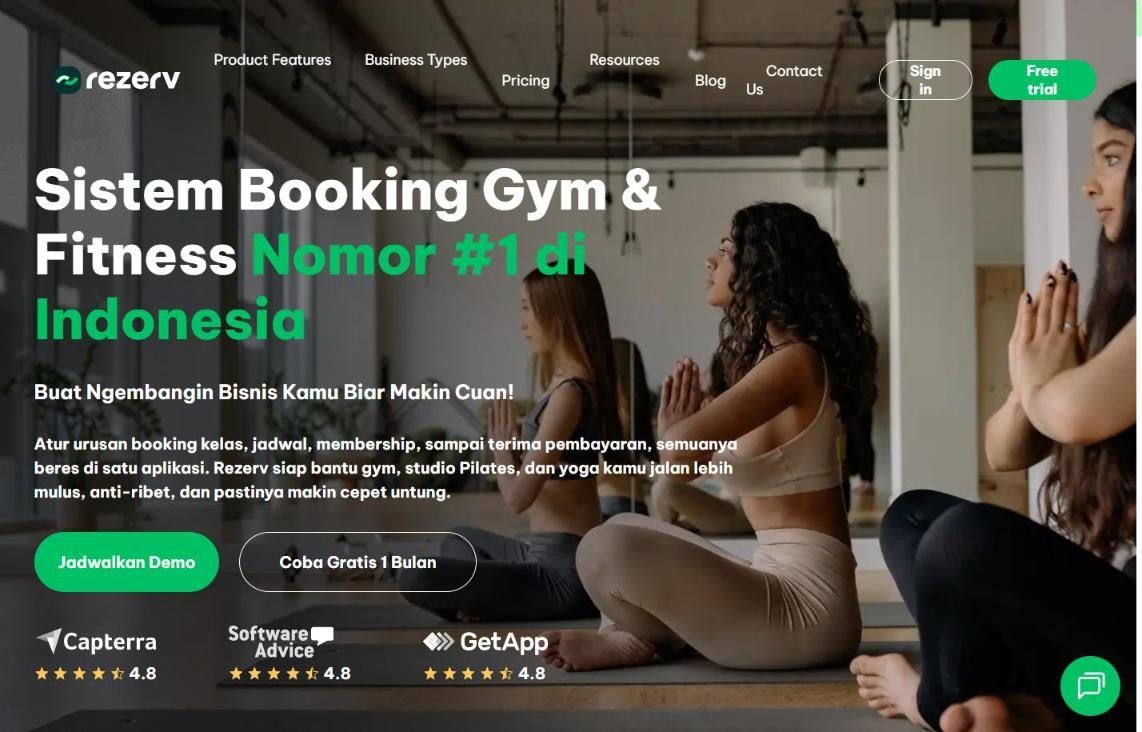
Rezerv is a Singapore-based fitness and wellness management platform. It runs group classes, private appointments, courses and events on one system, with local payment methods for Indonesia and other Southeast Asian markets.
Source: Rezerv website
Best for: Reformer studios that want clients to pick their own bed, with privates, duets, intro packages and multiple locations on one system.
Availability in Indonesia: Rezerv has an Indonesian-language website, and its payment partners include Xendit. It's also one of the booking platforms that integrates with ClassPass, which matters for Jakarta studios that get a share of their bookings there.
Reformer bed selection and capacity: Clients choose their spot when they book, and full classes open to an automatic waitlist that notifies and books the next client when a bed frees up.
Packages and credits: Class packages, recurring memberships, shareable packages for clients who train together, and family accounts.
Indonesian payment methods: QRIS, GoPay, OVO and DANA at checkout, plus card payments through Stripe for international clients. Manual QR payment is available as an add-on on Starter and Team.
Booking and cancellation: Clients book on a branded booking website, the shared Rezerv app or a custom branded app. The insights dashboard shows bookings, attendees, the waitlist and the cancellation list in one place.
Instructor and staff management: Unlimited staff accounts from the Team plan upward. Private sessions and group classes share one calendar, so instructors can't be double-booked across the two.
Pricing: Starter is USD48/month for one location. Team is USD152 and Business USD256, both per location per month, with 20% off annual billing. Every plan includes a 1-month free trial. See current pricing.
Trade-offs: Starter includes one owner account at one location, which suits an owner-instructor running a small studio alone. Studios with front desk staff need Team. The custom branded app is included on Business and costs extra on Starter and Team.
2. Olahrago
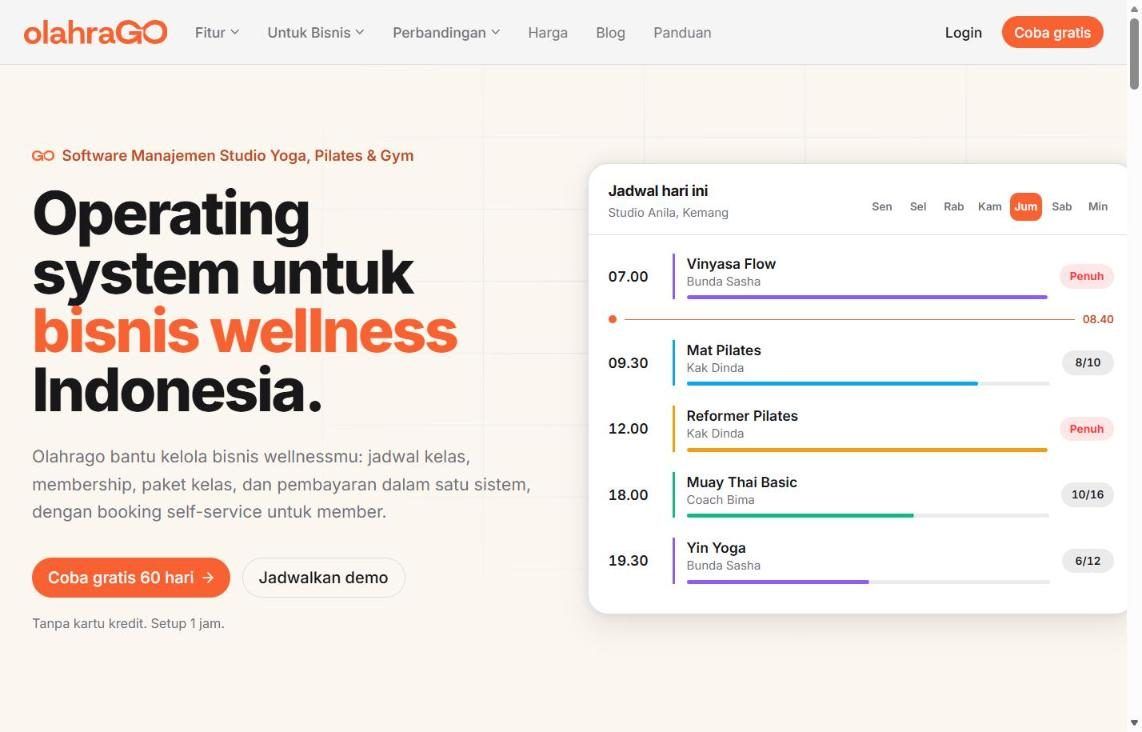
Olahrago is studio management software for yoga, Pilates and gym businesses. It's built in Jakarta and charges a flat price in rupiah.
Source: Olahrago website
Best for: Local studios that want flat rupiah pricing, a long free trial and payroll on the same plan.
Availability in Indonesia: It's an Indonesian company, and every plan includes support in Bahasa Indonesia. Setup, data migration and initial training are free.
Reformer bed selection and capacity: Recurring classes have automatic quotas, and full classes are marked as full. Bed selection isn't listed on its website, so ask in the demo.
Packages and credits: 10-class and 20-class packages with automatic quota tracking, subscription memberships and drop-ins.
Indonesian payment methods: QRIS, e-wallets, m-banking, cards, and bank transfer with virtual accounts. Olahrago charges no platform fee on transactions, but standard gateway fees still apply.
Booking and cancellation: Clients book and pay through your booking link, on a site with your colours and logo. Cancellations refund credits automatically, and class reminders go out by email.
Instructor and staff management: The Pro plan includes unlimited staff and instructors, payroll and staff management, and multi-location support.
Pricing: Solo (one account, one location) is Rp149,000/month, or Rp99,000/month billed annually. Pro is Rp499,000/month, or Rp349,000/month billed annually, and each extra location costs the same again. Prices exclude 11% PPN. The trial is 60 days with no credit card needed. See Olahrago pricing.
Trade-offs: The site doesn't mention a member app, WhatsApp reminders or bed selection. Courses and workshops launched in September 2026, so check how complete the newer features are before you rely on them.
3. ForEach Pilates
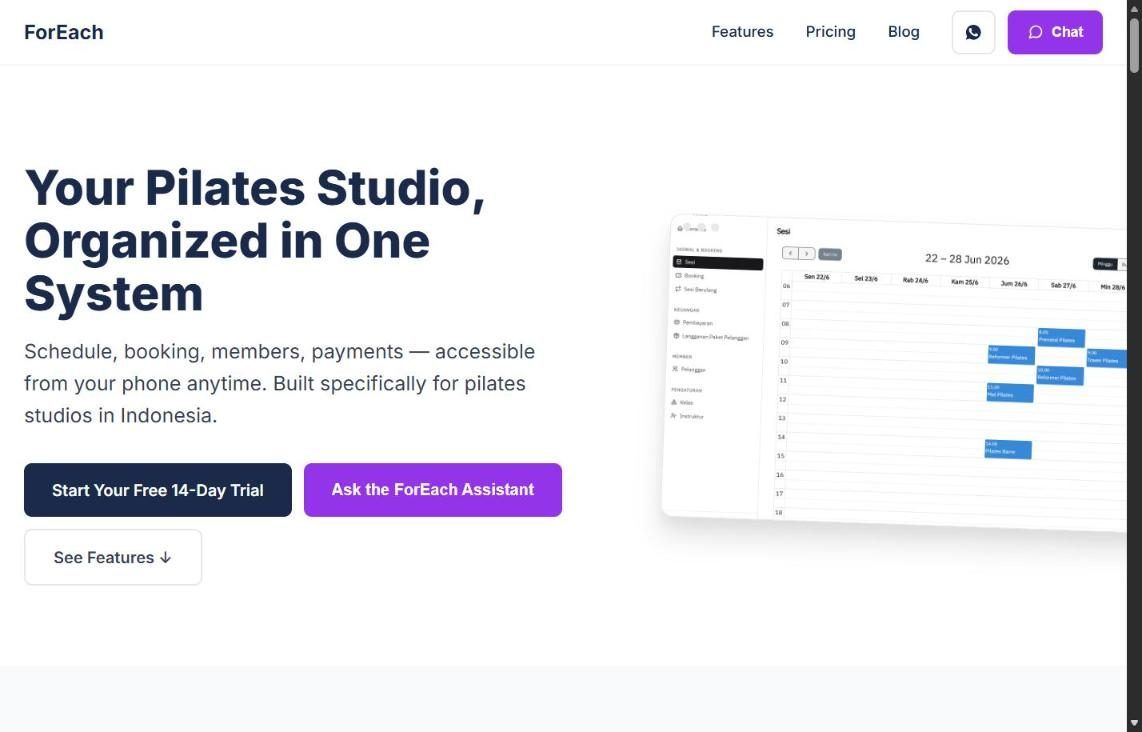
ForEach Pilates is studio management software built only for Pilates studios in Indonesia. It's the first product from ForEach, which builds software for Indonesian local businesses.
Source: ForEach Pilates website
Best for: Small Indonesian Pilates studios moving off spreadsheets and WhatsApp that want one flat monthly price.
Availability in Indonesia: It's an Indonesian product, available in Bahasa Indonesia or English. Support comes directly from the founder over WhatsApp, backed by an AI assistant.
Reformer bed selection and capacity: The admin dashboard tracks capacity for each class, and waitlists fill automatically, either by offering the spot or by booking the next client in. Bed selection isn't listed on its website.
Packages and credits: Class packages and subscriptions track remaining sessions, payment status and usage history. Deposits, instalment payments and discount codes are also supported.
Indonesian payment methods: By default, the admin records QRIS, bank transfer, cash and card payments with proof uploads. An optional add-on connects your own Midtrans or Xendit account so QRIS payments confirm automatically, with the gateway charging 0.7% MDR.
Booking and cancellation: Members book through a web page on their phone, with no app to download. Reminders go out by email and browser push. On iPhone, push requires adding the page to the home screen first.
Instructor and staff management: Admin and receptionist roles, with permissions set for each staff member. Reports cover verified income, outstanding payments, and breakdowns by package or class, with export to PDF, Excel or CSV.
Pricing: Rp300,000/month with all core features and no limits on members or classes. It's billed month to month with no long-term contract, and the trial is 14 days with no credit card needed.
Trade-offs: The website doesn't mention bed selection, package expiry rules or instructor payroll. Multi-location is a premium add-on. Packages have to be set up by hand, although member data can be imported from CSV.
4. Bukujanji
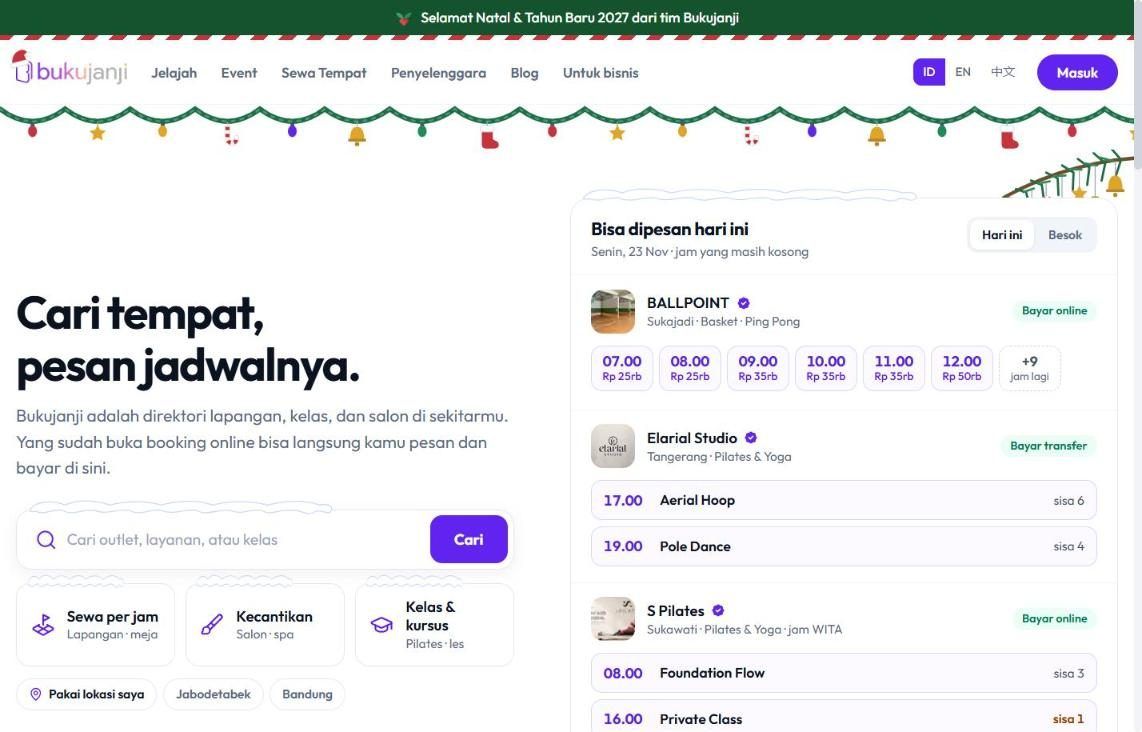
Bukujanji is an Indonesian booking platform for salons, spas, sports courts, and yoga and Pilates studios, with a consumer app where customers find local businesses.
Source: Bukujanji website
Best for: Single studios that want a low fixed monthly fee, QRIS payments and a free listing page.
Availability in Indonesia: It's an Indonesian company, and its Pilates and yoga page is in Bahasa Indonesia. Accounts are set up after a 30-minute demo with the team.
Reformer bed selection and capacity: You set a maximum for each class, for example 6 reformers or 12 mats, and the class closes when full. Bed selection isn't mentioned.
Packages and credits: Session packages and monthly memberships, with remaining sessions and validity tracked. Packages work across branches. The page doesn't describe separate credit rules for reformer, mat and private sessions.
Indonesian payment methods: QRIS, GoPay and bank transfer (BCA, BNI, BRI, Mandiri and Permata), with deposits supported. The Pilates page says there are no transaction fees.
Booking and cancellation: A free studio page on bukujanji.com, plus the option of a website on your own domain. WhatsApp reminders run on prepaid tokens.
Instructor and staff management: The weekly timetable repeats with an instructor assigned to each class.
Pricing: Starter is Rp249,000/month for one location, or Rp199,000/month billed annually. Pro is Rp549,000/month per outlet.
Trade-offs: It's a general booking platform, so Pilates-specific rules (bed selection, separate credits by equipment, intro restrictions) need checking in the demo. There's no self-serve free trial, and WhatsApp token prices aren't published.
5. EasyWeek
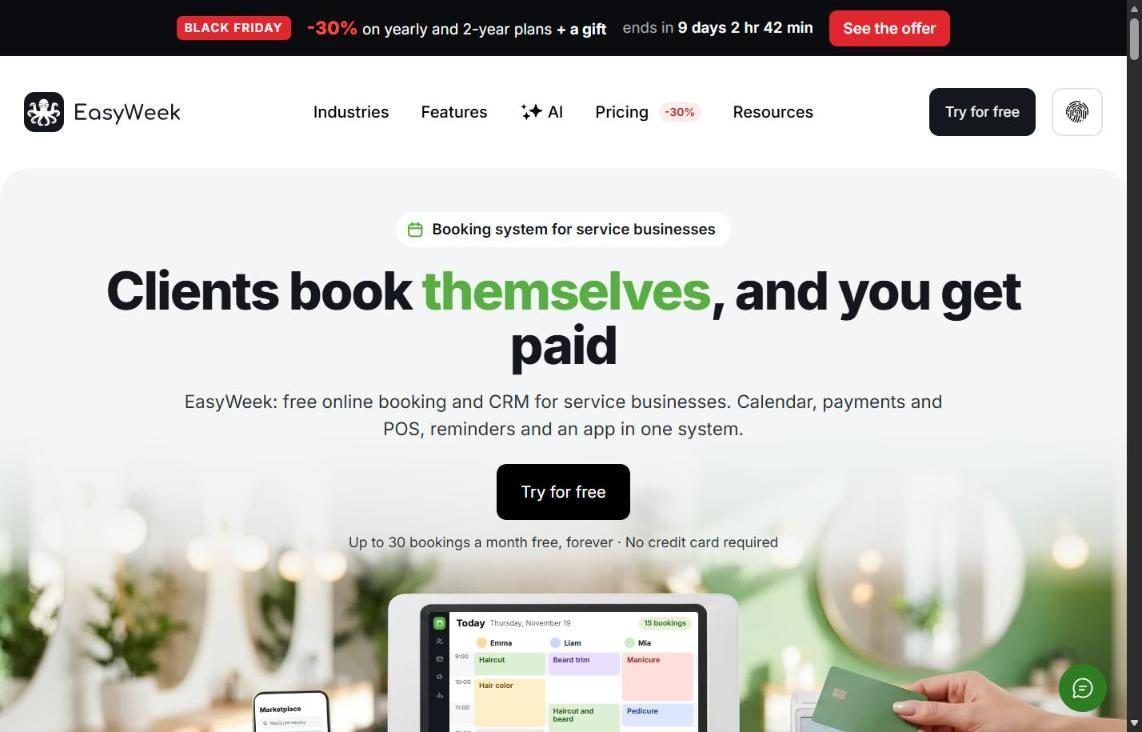
EasyWeek is an international online booking platform used by salons, studios and other service businesses, with a dedicated setup for Pilates studios.
Source: EasyWeek website
Best for: Studios that want a free starting plan and reformer-level resource booking, and can handle payments outside the app.
Availability in Indonesia: Its Pilates and pricing pages are in English, prices are in US dollars, and Bahasa Indonesia isn't mentioned.
Reformer bed selection and capacity: You can add individual reformers as resources and control their availability, which is useful when one bed is out of service.
Packages and credits: Custom packages and membership plans, so clients can buy several sessions or subscribe for a set period.
Indonesian payment methods: None listed. The pricing page mentions Stripe and PayPal fees and says it accepts all major credit cards. QRIS, Midtrans and Xendit aren't mentioned.
Booking and cancellation: Clients book classes and private sessions online, and can choose their instructor. Automated reminders need a paid plan.
Instructor and staff management: Instructors and students see a shared schedule, and the business app manages appointments, the team and clients.
Pricing: There's a free plan. Pro starts at USD8.33/month, with monthly, annual or 2-year billing. The trial is 14 days with no credit card needed.
Trade-offs: Without QRIS or Indonesian e-wallets, most local clients would still pay by transfer, and the admin would still match every payment by hand. EasyWeek fits best where most clients pay by card, such as studios with many international client

How to choose Pilates software based on your studio type
The right platform depends on how many beds you run, how you sell sessions and how many people work the front desk. Find the description closest to your studio, then start trials or book demos with the platforms listed for it.
For a small studio with three to six reformers
At this size, the owner usually teaches, takes bookings and checks payments. You need clients to book and pay without messaging you, package credits that track themselves, and a monthly cost that fits the studio's revenue.
ForEach Pilates suits this stage well: it's built only for Pilates, costs Rp300,000 a month with no long-term contract, and support comes directly from the founder over WhatsApp. Olahrago's Solo plan is cheaper at Rp99,000 a month on annual billing, with a 60-day trial. If you want clients choosing their own bed from day one and plan to hire front desk staff, Rezerv's Starter plan lets you move up to Team later without changing platforms.
For a boutique studio selling multi-session packages
Most of your revenue comes from 5, 10 and 20-class packages, and the front desk spends its day tracking credits, confirming payments and filling cancelled beds. Here you need credits that deduct and expire automatically, QRIS payments that confirm the booking, and waitlists that fill beds without anyone messaging clients.
Rezerv's Team plan fits this setup: bed selection, automatic waitlists, shareable packages for clients who train together, QRIS and e-wallet checkout, and unlimited staff accounts. Its ClassPass integration also matters if part of your timetable sells through ClassPass. Olahrago Pro is the local alternative, with flat rupiah pricing, automatic credit refunds on cancellation, and payroll on the same plan.
For studios offering both reformer and mat Pilates
Running both means two capacities (six reformers, twelve mats), two price points and usually two sets of packages. The software needs to keep mat credits out of reformer classes and schedule both rooms on one timetable without overlaps.

Source: Ahmet Kurt on Pexels
Check credit rules first, because platforms differ most here. Rezerv supports separate packages and spot booking for reformer classes. EasyWeek lets you set up each reformer as a bookable resource, though it doesn't list Indonesian payment methods. Bukujanji sets a capacity per class, but its page doesn't describe separate credit rules for reformer and mat, so test that in the demo.
For studios with private sessions and multiple instructors
Once privates, duets and group classes share the same beds and instructors, scheduling conflicts multiply. One calendar has to cover every booking type, and instructor pay has to account for group classes, privates and covered sessions at different rates.

Source: Kampus Production on Pexels
Rezerv runs appointments and classes on the same system, so a private booked on two beds takes them out of the group class at the same hour. Olahrago Pro includes payroll and staff management, which saves the end-of-month instructor pay calculation. ForEach offers admin and receptionist roles, but its site doesn't describe instructor payroll, so ask before you choose it for a team with commission-based pay.
For Pilates businesses with multiple locations
Each studio needs its own timetable, equipment setup and instructor team, while packages and reports work across all locations. Pricing per location adds up quickly, so compare the cost of your second and third studio as well as the first.
Rezerv supports unlimited locations on Team and Business, with a franchise model on Business for studio groups operating under one brand. Olahrago Pro covers multiple locations at the same price per location. Bukujanji Pro is priced per outlet and lets packages work across branches. ForEach offers multi-location as a premium add-on.
For studios expanding from WhatsApp bookings to online self-service
The hardest part of switching is getting existing clients to book themselves. The platform matters, but so does how you make the move. Pick software with a booking link that works in a phone browser, so clients don't have to download anything to make their first online booking. Then move existing clients and their remaining package balances across before launch, so nobody loses credits in the switch.
Setup support varies. Olahrago includes free setup, data migration and initial training. ForEach imports member data from a CSV file, and Bukujanji sets up your account and sample timetable right after the demo. Whichever you choose, put the booking link in your Instagram bio and WhatsApp auto-reply, and run both channels side by side for a couple of weeks while clients get used to booking themselves.
Once you have a shortlist, section H lists the questions to ask in each demo. To see how Rezerv handles your bed layout and packages, book a demo with the Rezerv team.
Frequently asked questions
What is the best Pilates studio software in Indonesia?
It depends on your studio's size and setup. Rezerv is our pick for reformer studios that want bed selection, privates and group classes on one calendar, and ClassPass integration. ForEach Pilates and Olahrago suit smaller studios that want flat rupiah pricing.
Can clients choose a specific reformer bed when they book?
On some platforms. Rezerv lets clients choose their spot when they book, and EasyWeek lets you set up individual reformers as bookable resources. Olahrago, ForEach Pilates and Bukujanji list class capacity limits but don't mention bed selection, so ask about it in the demo.
Which Pilates booking platforms accept QRIS?
Rezerv, Olahrago and Bukujanji accept QRIS at checkout. ForEach Pilates confirms QRIS payments automatically through an optional add-on that connects your own Midtrans or Xendit account, or you can record payments by hand. EasyWeek doesn't list any Indonesian payment methods.
How much does Pilates studio software cost in Indonesia?
Published prices range from a free plan (EasyWeek) and Rp99,000 a month (Olahrago Solo, billed annually) to Rp300,000 a month (ForEach Pilates) and per-location plans for larger studios. Add payment fees, add-ons and the cost of extra locations to get the real yearly figure. Section F walks through it.
Do studios pay a fee on QRIS payments for reformer packages?
Usually, yes. Under Bank Indonesia's rules from 1 October 2026, small and larger businesses pay 0.7% MDR on QRIS payments above Rp100,000, and most reformer packages cost more than that. Micro businesses pay 0% up to Rp500,000 and 0.3% above. The studio pays the fee, and it can't be passed on to clients.
Can Pilates software sync with ClassPass?
Some platforms can. Rezerv is listed among ClassPass's booking platform integrations, so ClassPass bookings appear in the same system as your own members. Without an integration, the admin has to copy ClassPass bookings into the class list by hand.
Do I need separate packages for reformer and mat classes?
Most studios that run both do, because reformer sessions cost more. Choose software that can restrict each package to the right class type, so a mat credit can't be used to book a reformer bed.
Is there Pilates software in Bahasa Indonesia?
Yes. ForEach Pilates can switch between Bahasa Indonesia and English at any time, and Olahrago includes Indonesian-language support on every plan. Rezerv has an Indonesian-language site. In the demo, check the language clients see when they book and the language of the staff dashboard.