Why fitness studios are moving from credit-based packages to wallet-based store value
Learn why more fitness studios are moving from credit-based packages to prepaid wallets for flexible pricing, smoother refunds, and repeat bookings.
.jpg)
Source: Freepik
Credit-based packages used to make perfect sense for fitness studios. A customer buys a pack, uses one credit per session, and comes back until the credits run out. Simple.
But booking behavior is no longer that straightforward.
Today, customers are not always booking just for themselves. They might book for a child through a family-linked account, add a guest who does not even have an account yet, or select different pricing types for different people in the same checkout.
On top of that, studios also want more control over how they price sessions, encourage repeat visits, and handle refunds without adding extra admin work.
That is why more fitness studios are replacing credit packages with prepaid wallets. Wallets are easier to use for flexible bookings and give studios more control over pricing and customer spend.
It is also the reason Rezerv has launched a new prepaid wallet feature built for these modern booking needs.
I. The problem with credit packages
Credit-based packages work best in a very specific setup. One customer buys a package, uses one credit per session, and repeats the same booking pattern over time.
That model can still work for some businesses. But once bookings become more flexible, credit-based pricing starts to create friction.
1. They are built for simple, one-person bookings
Credit packages are easiest to manage when one customer is booking for themselves and using the same type of session again and again.
That becomes harder when one booking includes multiple people. For example, a customer may book for:
- themselves
- a child under a family-linked account
- a guest who does not have an account yet
Once that happens, the booking is no longer a simple one-person transaction. It becomes a mixed booking with different attendee types and different pricing rules. Credit packages are usually too rigid for that kind of setup.
2. They do not handle mixed pricing types very well
Many studios need different prices inside the same booking.
An adult may pay one rate. A child may pay another. An accompanying adult may pay a lower price because they are not joining the session in the same way.
This is where credit-based logic starts to feel awkward. Instead of letting the booking flow naturally, the studio has to fit a more complex transaction into a payment model that was built for fixed usage.
That can make checkout harder to manage for both customers and staff.
3. They are too rigid for how customers book today
Customer behavior is more flexible now. People do not always book in a neat, repeatable pattern.
A customer might:
- book only for themselves one week
- bring a child the next week
- add a guest another time
- choose different services or pricing types across visits
Credit-based packages are not very good at adapting to that kind of flexibility. They are tied to a fixed number of sessions, not stored value that can be used more freely across different booking scenarios.
4. They give studios less control over pricing strategy
Studios do not just need a way to collect payment. They also need a way to shape customer behavior.
With credit-based packages, pricing is usually more fixed. It is harder to:
- offer a better price for prepaid spending
- encourage customers to load more value upfront
- create a smoother path to repeat purchases
This matters because the payment model affects more than checkout. It also affects retention, cash flow, and how often customers come back.
5. Refunds are harder to manage
This is one of the biggest practical issues.
When a booking is paid through a card or bank transaction tied to a fixed package structure, refunds can create more admin work. The studio may need to process the refund manually, deal with delays, or absorb payment processing costs that are not returned.
That creates friction for both the business and the customer. With a more flexible stored value model, the studio has another option. Instead of sending money back out through the payment gateway, it can return the value to the customer’s wallet so they can use it again for a future booking.
That gives studios a cleaner way to handle:
- cancellations
- class reschedules
- booking changes
- rebookings
For customers, it is faster and easier. For studios, it helps keep value inside the business instead of losing it entirely through a refund.
II. Modern bookings are more complex than they used to be
To understand why studios are moving away from credit packages, it helps to look at what a real booking looks like today.
Take a simple example. A parent wants to book a climbing session. But they are not booking alone. They add themselves as an adult participant.
They add their child through a family-linked account and select a different pricing type for kids. They also add their partner as a guest, even though the partner is not climbing and only there to accompany the child.
Now, one booking includes:
- one adult participant
- one child participant under a family account
- one accompanying adult who is not actively joining the session
Each of them has:
- a different role in the booking
- a different pricing type
- a different account setup
And all of this happens in a single checkout. This is no longer a simple “one person, one class, one price” situation. Credits are usually tied to a specific user and a fixed type of session. They are not designed to handle a booking where different people in the same transaction need different pricing logic.
Studios then have to work around the system:
- splitting bookings
- manually adjusting pricing
- or forcing everything into one structure that does not fully match the scenario
That adds friction at checkout and creates more work behind the scenes.
A wallet-based system fits this kind of booking more naturally.
Instead of trying to assign credits across multiple people and pricing types, the system simply deducts value based on the total of the booking. Each attendee can have their own pricing, and everything is handled in one flow.
That is the key difference. Modern bookings are not more complicated because studios want them to be. They are more complicated because customer behavior has changed. People book for others, bring guests, and expect flexibility.
The payment system needs to match that.
III. Prepaid wallets help turn one payment into future bookings
This is where prepaid wallets start to do something credit packages and regular one-off payments cannot do as well.
With a normal payment method, the transaction usually ends after checkout. The customer pays for that session, and the next time they want to book, they start again from zero.
A prepaid wallet changes that flow. Once a customer tops up value into their wallet, that balance stays there until it is used. That means the next booking feels easier, because part of the spending decision has already been made. The customer is no longer deciding from scratch every time.
This becomes even more useful when the wallet balance is not enough to cover the full booking amount.For example, a customer may have $50 in their wallet, but the booking total comes to $73. Instead of topping up only the difference, the studio can set a minimum top-up amount, such as $105.
Now the customer adds more than they need for that one booking. After checkout, they still have balance left in their wallet. That leftover value matters. It gives customers a practical reason to come back and use the remaining balance instead of leaving it unused. The next booking feels closer, easier, and more justified because part of the spend is already sitting there.
For studios, this helps create a stronger cycle of repeat bookings.
A prepaid wallet can help studios:
- collect more value upfront
- reduce friction for the next purchase
- encourage customers to return and use their remaining balance
- keep more customer spend inside the business for future visits
Studios can also strengthen this behaviour by offering better pricing for wallet payments. But the lower price is not the main advantage on its own. The real value is what happens after the customer tops up. The wallet turns a single payment into stored value that can continue driving future bookings.
That makes prepaid wallets become a practical retention tool.
IV. Wallet-based refunds make rebooking easier
Refunds are one of those things that seem minor until they start happening regularly.
In a fitness business, refunds can come up for all kinds of reasons. A class gets rescheduled. A client cancels. A family changes plans. A booking needs to be adjusted after payment.
This is another area where credit-based packages can create friction.
When a booking is paid using credits, the refund process can become unclear. Studios may need to:
- manually return credits to the customer
- adjust balances inside the system
- explain how many credits are being reinstated
- handle edge cases when different pricing types are involved
The issue is not only the refund itself. Customers also need to understand what was returned and how they can use it again. That can lead to unnecessary back-and-forth.
This can get even more confusing when the booking includes multiple attendees or different pricing rules. What looks simple on the surface can turn into extra steps behind the scenes.
Traditional payment refunds can be frustrating too. The studio may need to send money back through the original payment method, wait for the refund to process, and absorb payment processing costs that are not always returned.
A prepaid wallet gives studios a cleaner option. Instead of manually reinstating credits or sending money back through the payment gateway, the studio can return the value directly to the customer’s wallet balance. That makes the process much easier to understand.
For the customer, it means:
- they get their value back faster
- they can use it again immediately for another booking
- they do not need to wait for a bank or card refund
For the studio, it means:
- less manual work when handling refunds
- fewer explanations around how credits are adjusted
- a smoother way to manage cancellations and changes
- a better chance of keeping that value inside the business
That is another reason more studios are moving toward prepaid wallets. They make payments more flexible, simplify refunds, and make it easier for customers to book again after changes or cancellations.
How Rezerv supports this shift
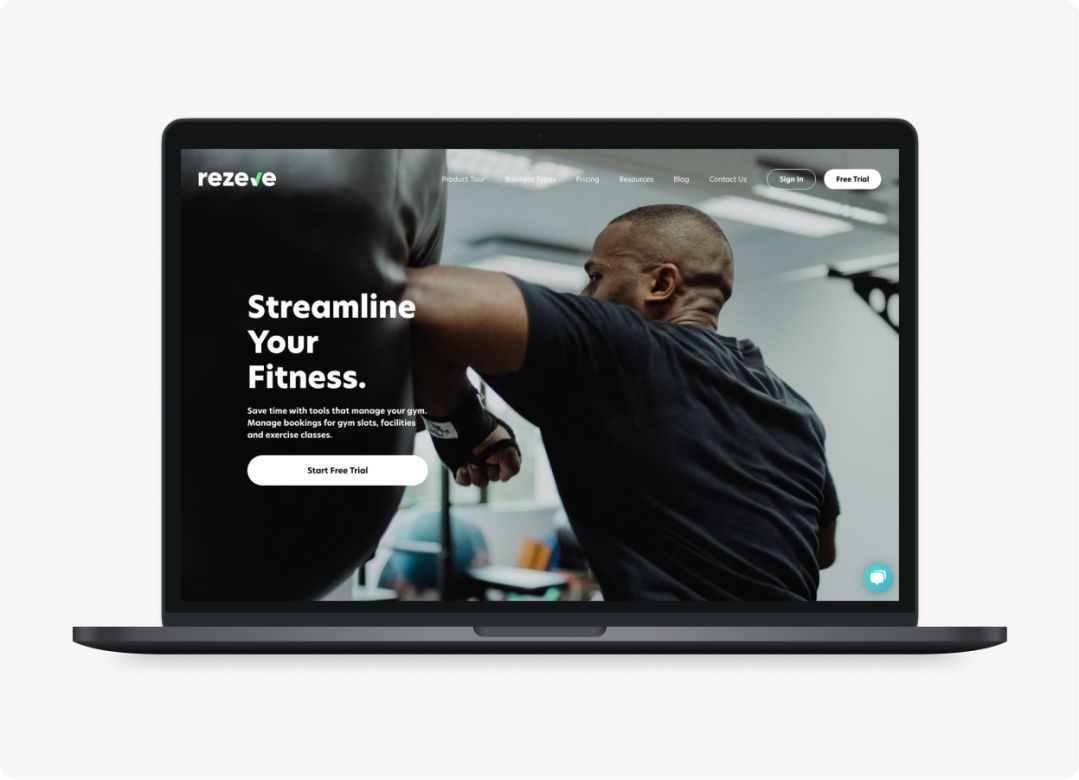
If your business has outgrown rigid credit packages, Rezerv gives you a much better way to sell, manage, and grow bookings. Instead of forcing every customer into the same package structure, you can use Wallet to capture upfront spend, support more flexible bookings, and keep more customer value inside your business.
Rezerv also lets you use wallet value across classes, appointments, courses, memberships, and more, so you are not building your payment flow around one narrow use case.
On the booking side, Rezerv gives you the flexibility most studios actually need. You can assign different pricing types within a single booking, charge each attendee correctly based on their role, apply pricing groups, and manage family or guest bookings without turning checkout into a mess.
And if you want to push more prepaid spend, you can also create wallet-only offers, reward bigger top-ups, and let customers top up directly from the Customer Portal instead of relying on your team to do it manually.
For fitness businesses that want more upfront revenue, better retention, and a payment setup that actually matches how customers book today, Rezerv gives you all of that in one system. Instead of working around the limits of credit packages, you can start using a setup that is easier to manage, easier to sell, and built to help your business grow.
Cheers,
Friska 🐨
Book a demo with us to see how Rezerv can work for your business.
Read more: Best payment systems for yoga studios: Memberships, packages & drop-ins